Why Thane Properties Are Attracting Investors Right Now
The numbers behind Thane's growth story are difficult to ignore. According to the CRE Matrix and CREDAI-MCHI Thane Housing Report for January 2026, Thane District recorded approximately 56,000 home sales in 2025, reflecting sustained demand across multiple micro-markets. Thane City alone achieved its highest-ever transaction value of ₹15,400 crore, contributing more than 40% of the district's total sales value. The report also highlights a significant rise in property values, with the average home price in Thane City reaching around ₹1.22 crore, marking a 36% increase since 2021.
Much of Thane's recent growth is linked to the large-scale infrastructure projects currently under construction. Metro Line 4, connecting Wadala-Kasarvadavali, is under construction, with trial runs underway on the Cadbury Junction-Gaimukh stretch and phased opening expected through 2026. Metro Line 5, linking Thane, Bhiwandi, and Kalyan, is also under construction, with Phase 1 over 95% complete and a target for late 2026. Another project closely watched by homebuyers and investors is the Thane-Borivali Twin Tunnel, an underground road corridor being built beneath Sanjay Gandhi National Park, currently under construction. Once operational, it aims to cut travel time from Thane to Borivali from over 90 minutes to 15-20 minutes. Industry experts see this as one of the most important connectivity upgrades Thane has experienced in years.
CREDAI-MCHI Thane's January 2026 outlook describes 2025 as a year of consolidation. Thane has confirmed its position as one of the MMR's most active residential markets. Analysts expect ongoing infrastructure development to create value in both established and new areas through 2026 and beyond. Notably, demand in Thane primarily comes from end users. These are people buying homes to live in, not those looking to sell quickly for profits. This trend usually leads to more stable pricing than in markets heavily influenced by speculation.
What Returns Can You Realistically Expect from Thane Real Estate?
It is important to set realistic expectations when evaluating property investment return in Thane, as estimates can vary significantly in both source quality and reliability. The most reliably documented figure is the 36% price increase in Thane City since 2021, reported in the CRE Matrix/CREDAI-MCHI January 2026 housing report. This data covers four years and comes from a credible source.
In addition, you'll see more ambitious estimates in property marketing that suggest 20-30% appreciation tied to specific infrastructure projects, or rental yields reaching 5-6% in certain areas. These claims should be approached with caution. They often stem from sources connected to developers or brokers and tend to present best-case or area-specific outcomes rather than market averages. Many of these sources will include disclaimers stating that these projections are estimates, not guarantees, and that infrastructure timelines often change in India.
When evaluating rental income potential in Thane, it is important to focus on realistic market averages rather than exceptional cases. Multiple independent market reports indicate that residential rental yields in Thane generally range between 2.5% to 4% depending on factors such as location, project quality, connectivity, and unit type. For buyers evaluating real estate investment in Thane primarily for rental income, this range aligns with rental yields seen across most of urban India and is higher than the typical 2-3% yields in South Mumbai. While select areas and unit types may offer higher yields, treating an outlier figure as a standard expectation for the entire market would be misleading.
The honest summary is that Thane has shown real, documented price growth over the past few years, backed by genuine infrastructure spending and strong sales volume. However, future returns at this level are not guaranteed, and any projections beyond verified historical data should be seen as forecasts, not facts.
Key Risks and Challenges in Thane Real Estate
A balanced view of Thane real estate must include its genuine risks along with its growth story.
Infrastructure delays: Large infrastructure projects in India often experience timeline setbacks. Many analysts' price growth predictions for Thane depend on completing specific projects, especially the Thane-Borivali tunnel and Metro Line 5, on schedule. If delays happen, the timeline for related price increases may change.
Micro-market variation: Thane is not a single, uniform market. Central, well-connected areas behave very differently from emerging or peripheral ones. A strong city-wide average can hide weaker performance in specific micro-markets, especially those with too much inventory or slow infrastructure progress. Buyers should examine the specific micro-market they are interested in, not just the city average.
Regulatory and planning uncertainty: The Thane Municipal Corporation's Draft Revised Development Plan 2026-2046, released in October 2024, remains in draft form as of 2026, awaiting final approval from TMC and the state government. While it suggests positive changes, such as more green space, transit-oriented development zones, and 46 Urban Renewal Areas, specific provisions may change before the plan is finalised.
Liquidity risk: Like any real estate investment, liquidity is not guaranteed. Even in an active market, selling a property usually takes weeks or months. This should be considered by anyone who may need short- or medium-term access to capital.
Which Thane Areas Offer the Best Long-Term Potential?
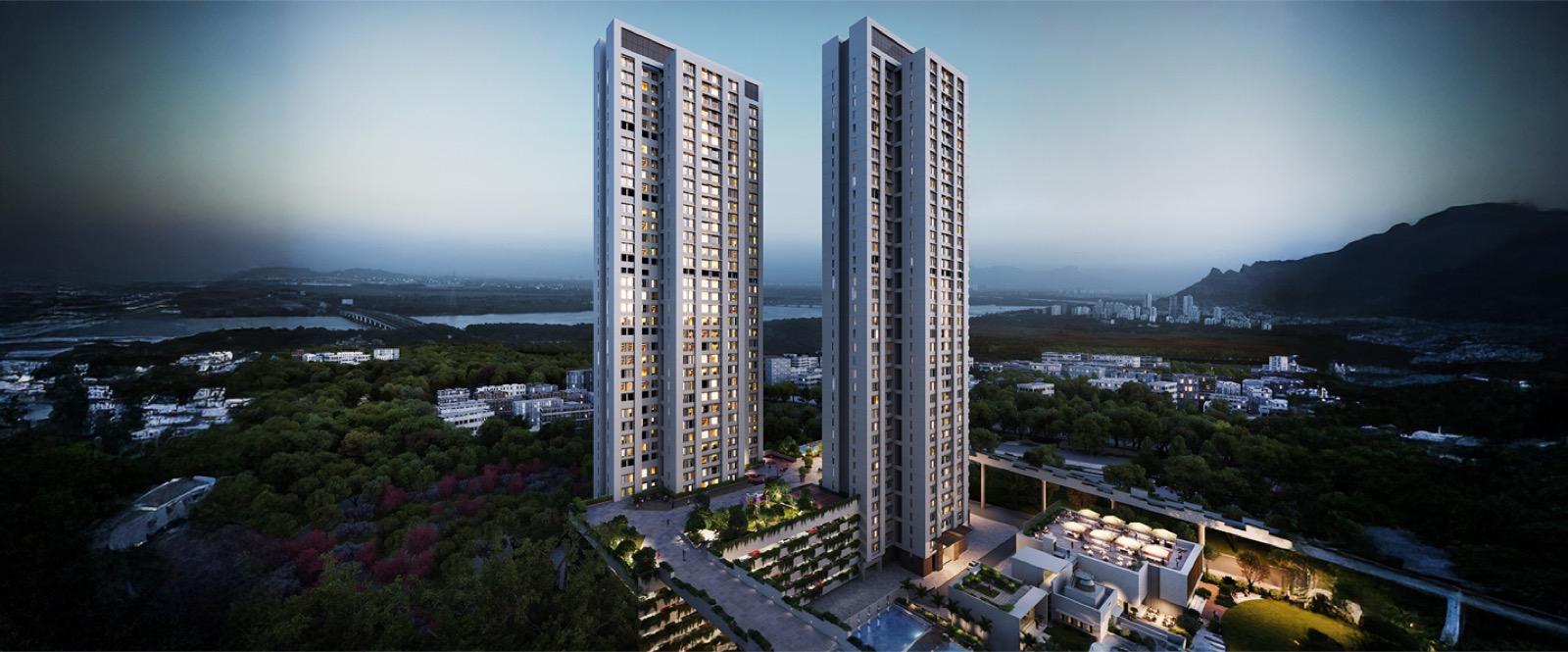
Rather than identifying a single “best” location for investment, it is more useful to view Thane as a collection of distinct micro-markets, each suited to different investor priorities and risk appetites. The right choice depends on whether your goal is long-term capital appreciation, rental income, lower investment risk, or exposure to emerging growth corridors.
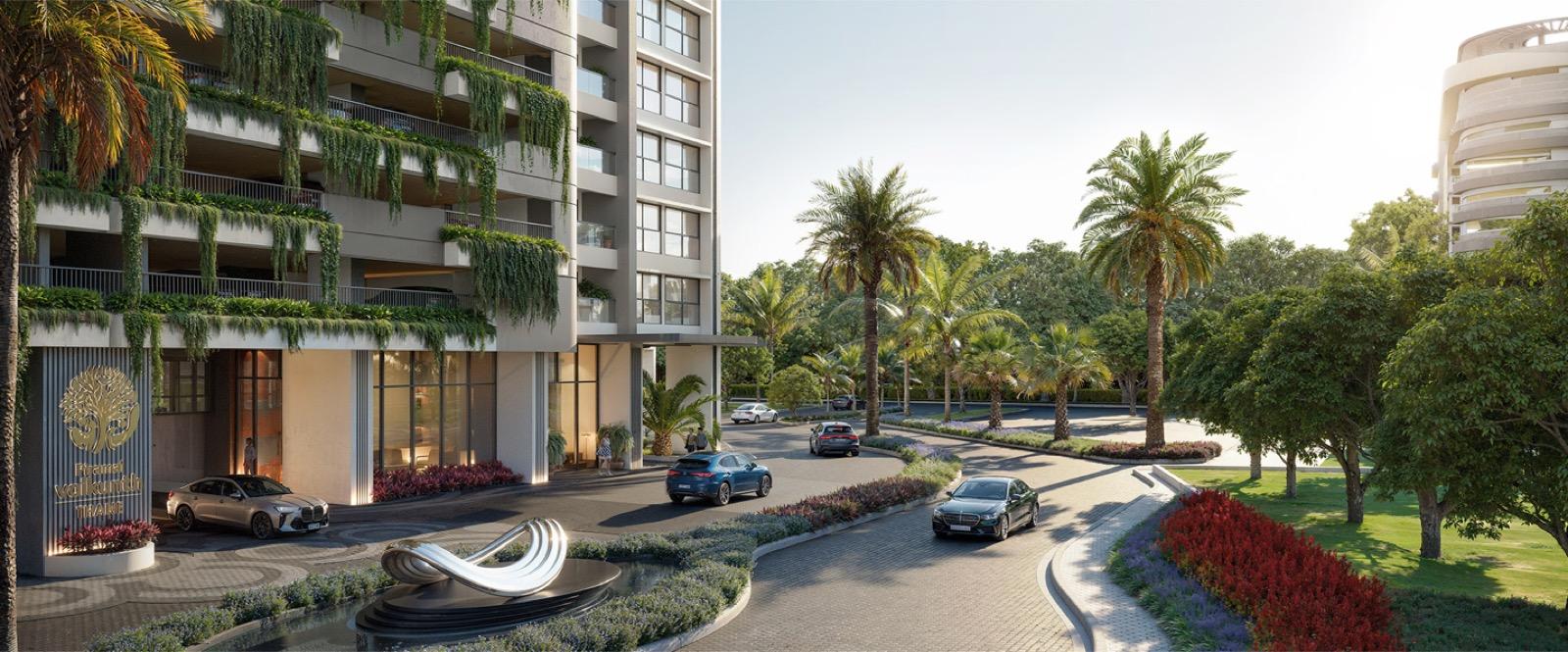
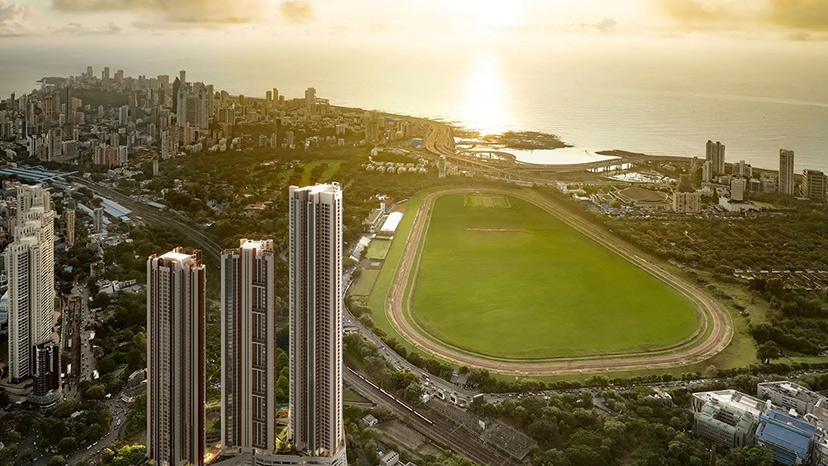
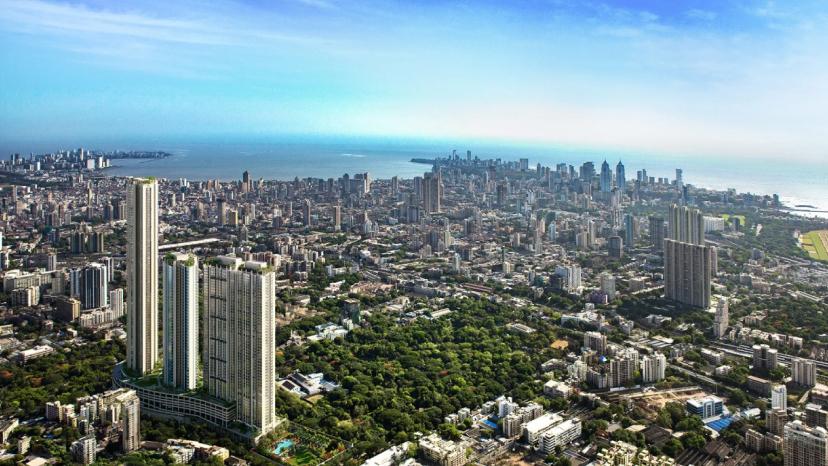
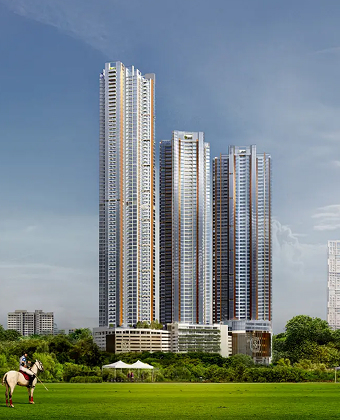
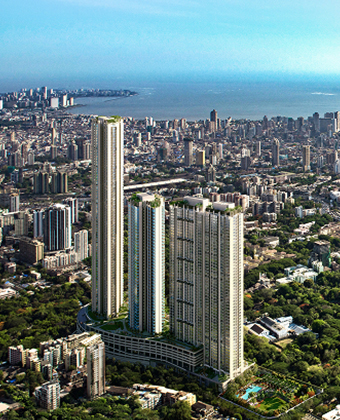
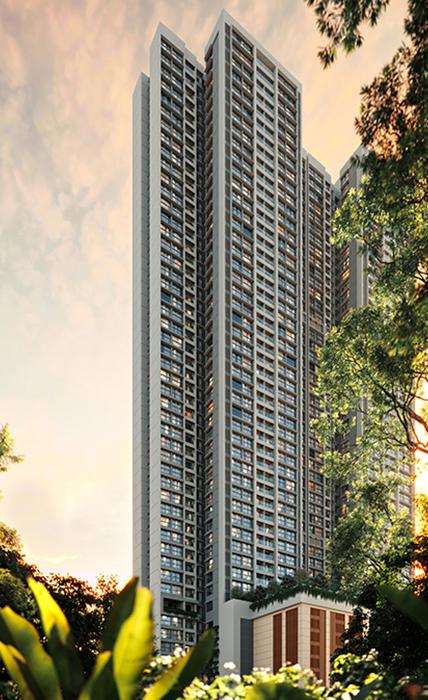
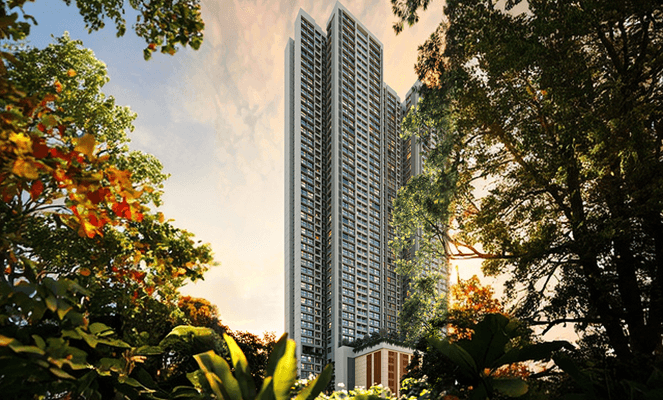
Established residential hubs such as Ghodbunder Road, Kolshet Road, Balkum, and Majiwada usually tend to command higher prices than many other parts of Thane. This reflects existing infrastructure, social amenities, and less supply-side risk. Buyers who prioritise lower risk and steadier appreciation generally find these areas more suitable than seeking large short-term gains. Piramal Vaikunth, a 32-acre integrated township in Balkum, is one example of an established address within this category.
Areas located along major transit corridors and the upcoming metro routes are where analysts most frequently identify potential for above-average appreciation. Among the real estate projects in Thane located close to upcoming metro stations and the Thane-Borivali tunnel corridor, it is expected that those in the direct catchment area will benefit materially once these projects open. This category carries greater execution risk due to project timelines, but offers a higher potential upside if timelines are met.
Redevelopment zones, identified in the draft Development Plan's 46 Urban Renewal Areas, offer a longer-term opportunity linked to modernising older housing. Since the plan is still in draft form, the specifics of redevelopment opportunities are less certain than those in already established areas.
For most long-term buyers, a sensible approach is to focus on established, well-connected areas with robust social infrastructure. Any potential upside from unfinished infrastructure projects should be seen as a bonus, not the main reason for investment.
How to Evaluate a Thane Property Before You Buy
A careful evaluation process is more important than any single market statistic. Start by checking the project's MahaRERA registration at maharera.maharashtra.gov.in. Verify the promoter's name, registered possession date, and any history of delays or legal issues.
Look into the developer's track record specifically in Thane, rather than their overall reputation. A good delivery record in one city doesn't guarantee success in another. Visit the actual location and, if possible, any previously completed phases of the same project or township. Relying only on renderings or sales pitches is not advisable.
Understand the infrastructure that underpins the property's value. If a project's appreciation relies heavily on a metro station or road work that isn't operational yet, treat that expected gain as uncertain. Assess the likelihood that the specific project will finish on time.
Finally, calculate the numbers independently:
- Total acquisition cost: Include the purchase price plus stamp duty, registration charges, and any applicable GST on under-construction properties.
- Realistic rental yield: Base this on actual comparable properties already renting in that specific micro-market, not on projected or advertised figures. The realistic range in Thane for most residential properties is approximately 2.5–4%.
- Holding period alignment: Confirm your intended holding period aligns with your actual financial timeline. Real estate is primarily a long-term asset class and is not suited to short-term liquidity requirements.
Will Your Thane Investment Hold Its Value in 2026 and Beyond?
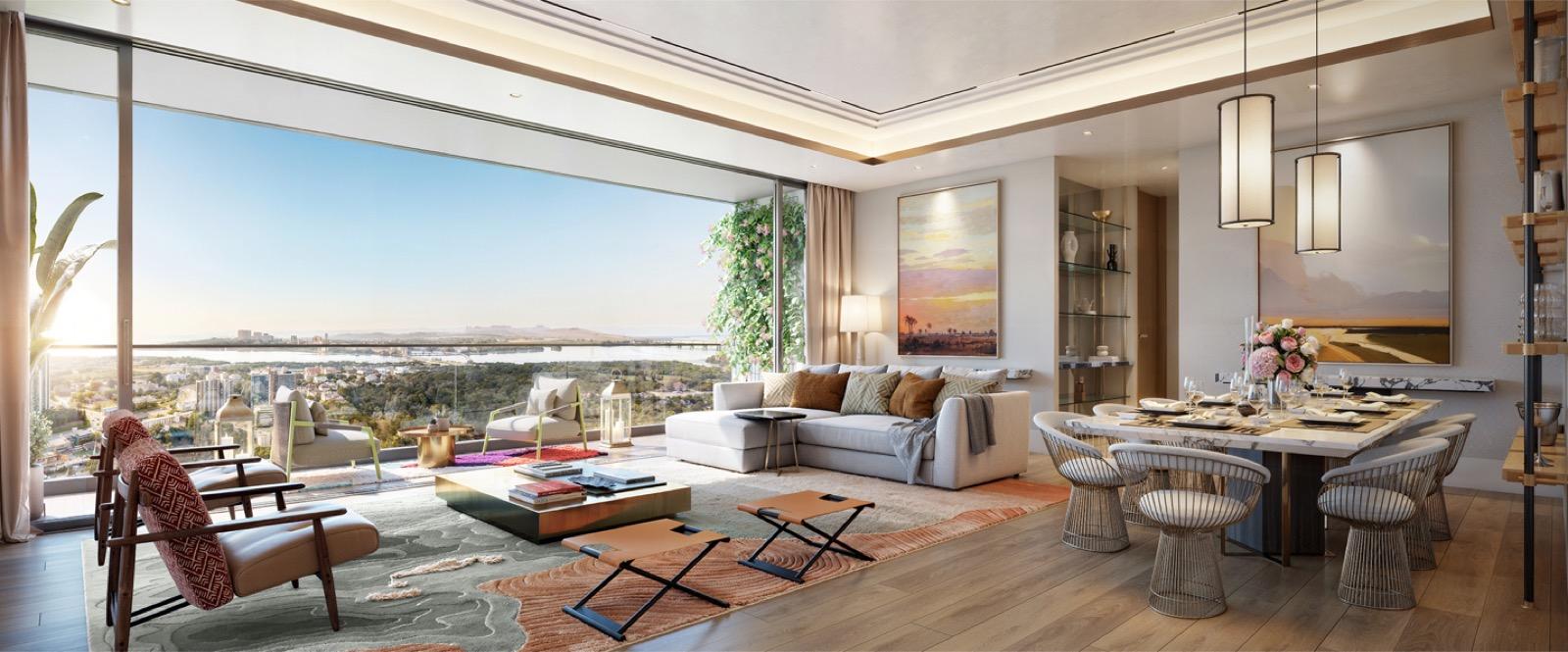
The evidence points to a balanced and reasonably positive outlook for Thane's residential real estate market. There has been genuine growth in transaction volume, documented price increases over the past several years, and infrastructure projects that are underway rather than just promised. Industry analysts consistently describe the market as driven by real housing demand, not speculation. This pattern is generally associated with lower volatility compared to purely speculative markets.
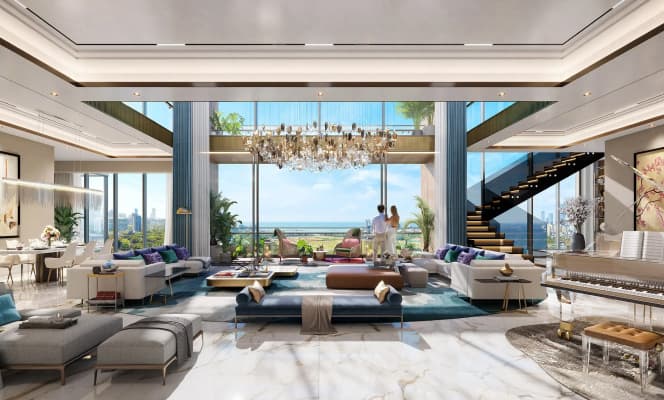
At the same time, maintaining value depends on factors specific to the individual property, not just the city-wide narrative. Consider the specific micro-market, the developer's track record, and whether the overall infrastructure plans follow their current timeline. A well-located, RERA-registered property from a trusted developer in an area already rich in infrastructure carries a different risk from a speculative purchase in a developing area dependent on an unfinished project. Buyers considering luxury apartments in Thane West, including 2 BHK and 3 BHK configurations, should apply the same framework rather than relying on city-level headlines alone.
The honest conclusion is that Thane's real estate fundamentals are genuinely stronger now than they were a few years ago, backed by verifiable data rather than hype. However, a ‘good market’ and a ‘good investment for you’ are not the same question. The latter depends on the specific property, your timeline, your risk tolerance, and independent verification, not just on city-level statistics alone.
Frequently Asked Questions
Is Thane a good place to invest?➕Thane's real estate market shows solid fundamentals: 36% price growth in Thane City since 2021, a record transaction value of ₹15,400 crore in 2025, and ongoing infrastructure projects. However, whether it's a good fit for any individual depends on the specific property, micro-market, and personal financial goals. This is general market information, not investment advice.
Is it worth buying property in Thane?➕For many buyers, yes. It's particularly beneficial for personal use or long-term holding, given Thane's documented price growth, expanding social infrastructure, and improved connectivity relative to Mumbai. As with any property decision, it's vital to verify the RERA status, the developer's reputation, and realistic returns before committing.
What are the types of real estate investments?➕Common types include residential property (for personal use, rental income, or value appreciation), commercial real estate (offices, retail), land or plot investments, and Real Estate Investment Trusts (REITs), which allow investment in real estate portfolios without owning the physical property. Each type carries different risks, liquidity, and return profiles.
What is meant by real estate investment?➕Real estate investment involves purchasing property to generate returns, either through increased value or rental income, or both. Unlike more liquid investments, real estate often requires a longer holding period and incurs costs such as stamp duty, registration, and maintenance, which affect overall returns.
What is the real estate market in Thane?➕Thane's real estate market recorded about 56,000 home sales across the district in 2025. Thane City hit a record transaction value of ₹15,400 crore, with average home prices around ₹1.22 crore. The market is mainly driven by end-users, supported by ongoing metro and road infrastructure projects.
Which area is best to buy a flat in Thane?➕This depends on your priorities. Established, well-connected areas like Ghodbunder Road, Kolshet, Balkum, and Majiwada have better existing infrastructure and lower risk. Areas near upcoming metro stations might offer greater potential appreciation but are more dependent on infrastructure project timelines being met.
What is the Thane Development Plan 2026?➕The Draft Revised Development Plan (DRDP) 2026–2046, issued by the Thane Municipal Corporation in October 2024, is the city's first major revision since 1999. It aims to increase green and recreational spaces and designates 46 Urban Renewal Areas for redevelopment. As of 2026, the plan is still in draft form, pending final approval from TMC and the state government.
Where to invest in Thane?➕Buyers seeking lower risk typically focus on established, infrastructure-rich areas like Ghodbunder Road, Kolshet, and Balkum. Those willing to accept greater execution risk for the chance of higher returns may consider areas near upcoming metro stations or the Thane-Borivali tunnel corridor, knowing that their returns hinge on meeting infrastructure timelines.
What is the best strategy for investing in real estate?➕A good strategy includes verifying RERA registration and developer history, evaluating the specific micro-market instead of relying on city-wide averages, calculating realistic returns based on actual data rather than projections, and matching your investment horizon to your financial timeline. Real estate is mainly a long-term asset class.
Which area is best to live in Thane?➕For day-to-day living, established residential neighbourhoods with well-developed social infrastructure, such as schools, hospitals, and retail often offer a better quality of life than areas that are still waiting for future development to materialise. Locations such as Balkum, Majiwada, and parts of Ghodbunder Road, offer the best lifestyle today, rather than areas waiting for infrastructure or social amenities to develop.
Disclaimer - This article is based on the information publicly available for general use as well as reference links mentioned herein. The views expressed above are for informational purposes only based on industry reports and related news stories. Piramal Realty does not guarantee the accuracy, completeness, or reliability of the information and shall not be held responsible for any action taken based on the published information. Piramal Realty expressly disclaims/disowns any liability, which may arise due to any decision taken by any person/s basis the article hereof. Readers should obtain separate advice with respect to any particular information provided here in.