Homes Near the Yeoor Hills Wake to the Forest
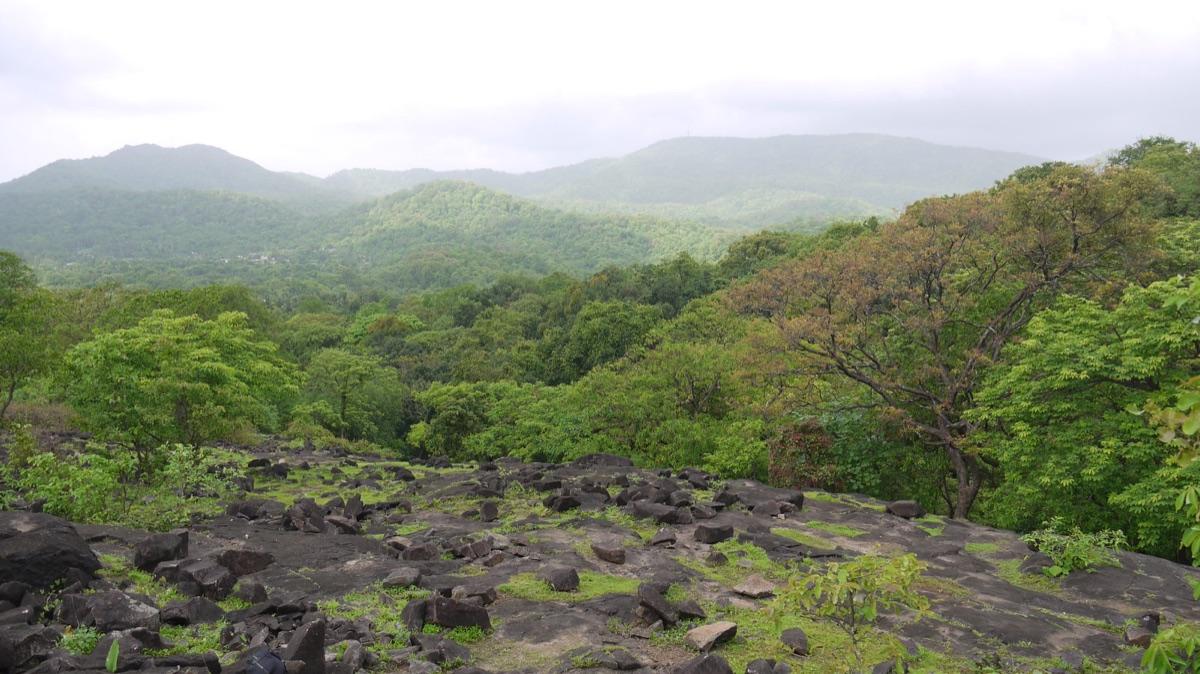
The Yeoor Hills form the eastern stretch of Sanjay Gandhi National Park and are directly accessible from Thane West, covering the hilly area of SGNP. The hills are protected under the Forest Department, ensuring that the land cannot be developed or encroached upon. The forest cover here is rich and diverse, featuring species such as teak, bamboo, karanji, sheesham and kadamba, and its wildlife ranges from leopards and spotted deer to monitor lizards and birds such as kingfishers, Asian Paradise Flycatcher, Black-hooded Oriole, Crested Serpent Eagle and Indian Grey Hornbill.
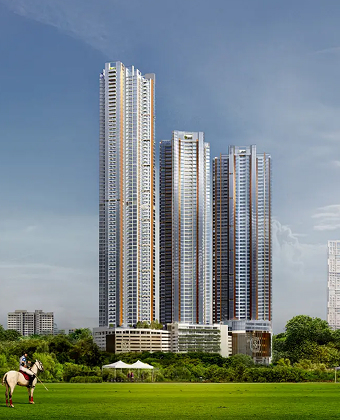
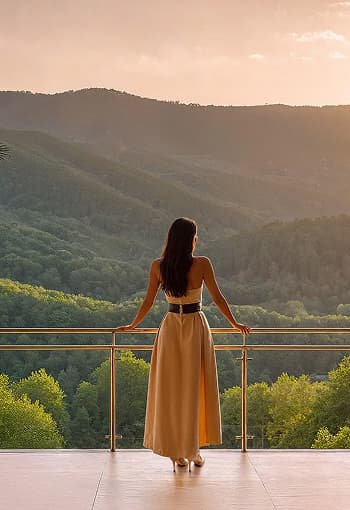
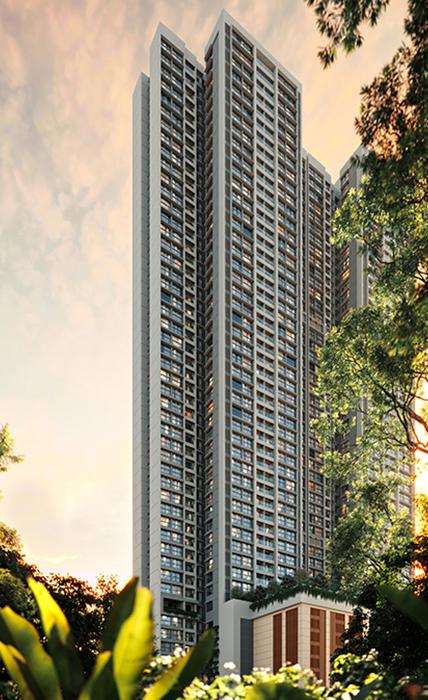
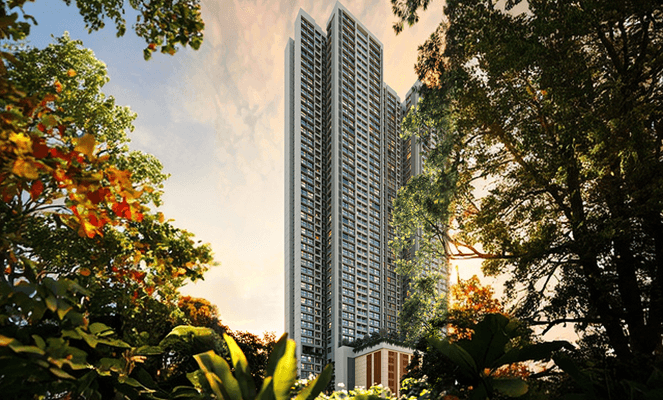
For residents, the practical benefit of this is often overlooked: the view will remain unchanged. The ridge facing Clusters 2 and 4A at Piramal Vaikunth will still be visible from those homes in ten or twenty years. There will not be a tall building to the north. The green space will stay green.
Mornings near the Yeoor Hills unfold with a rhythm that feels both natural and timeless. As the first light spreads across the hilly landscape, early walkers and joggers make their way up the trails, choosing paths that can take anywhere from twenty minutes to an hour, depending on their speed and the path they choose. Bird activity is at its peak during the first two hours of daylight. Families who have made this journey a weekend routine say it is one of the quieter joys of living on this side of Thane.
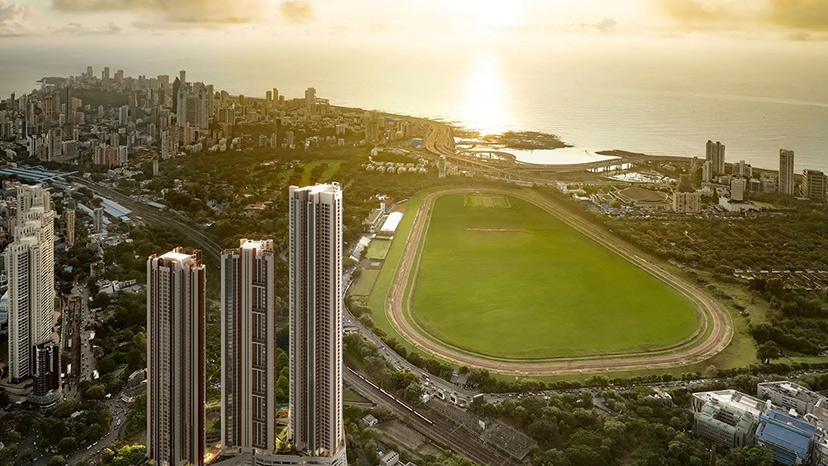
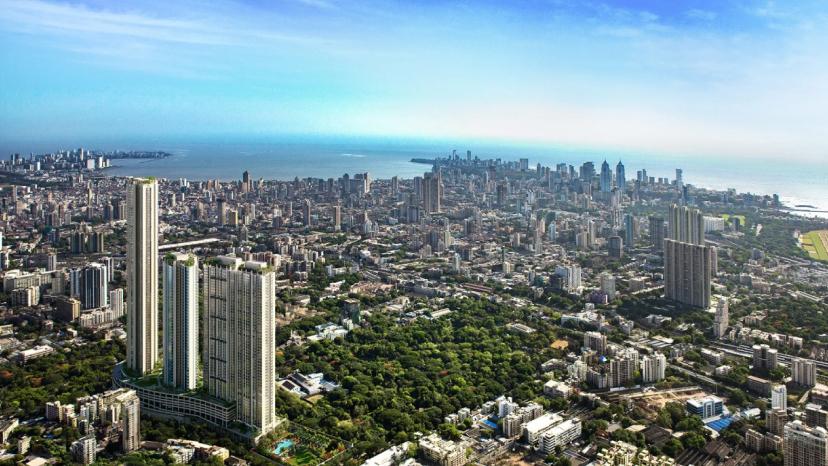
Piramal Vaikunth is close enough to the Yeoor Hills to enjoy their calm scenery, yet strategically positioned near key infrastructure, so residents don't have to compromise between greenery and accessibility. The Eastern Express Highway is 1.3 km away. Thane Railway Station is 5.1 km away. Jupiter Hospital is 2.8 km from here. The proposed Kapurbawdi Metro Station will be just 0.5 km from the community. CP Goenka International School is 1.3 km away. This location offers a rare blend of green scenery and urban accessibility in the MMR.
Why More Buyers in Thane Are Choosing Low-Density Living
Low-density residential development refers to projects where a significant portion of the land in the project is open space. In practice, this approach results in fewer buildings spread across larger plots, wider spacing between towers, expansive podiums, more landscaping, and a living environment that feels less crowded than the surrounding city.
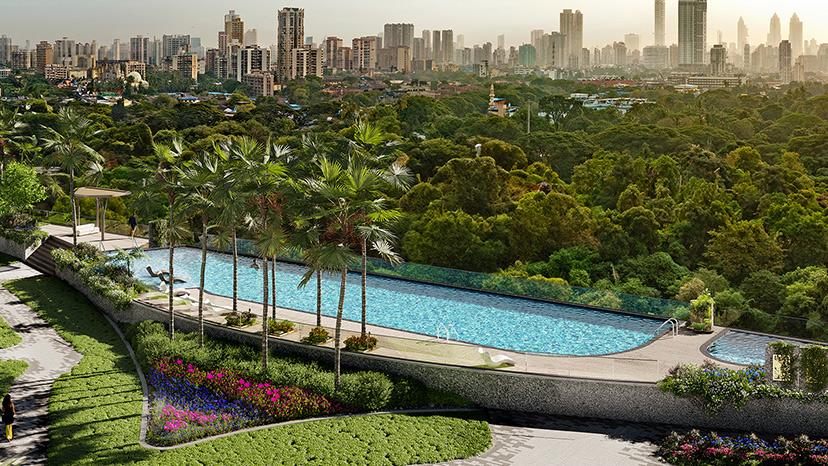
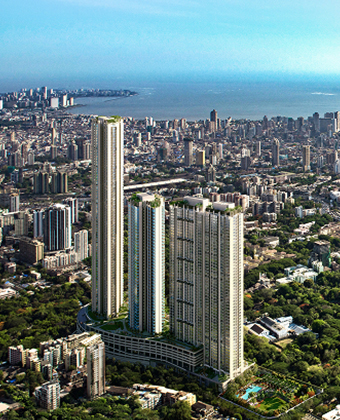
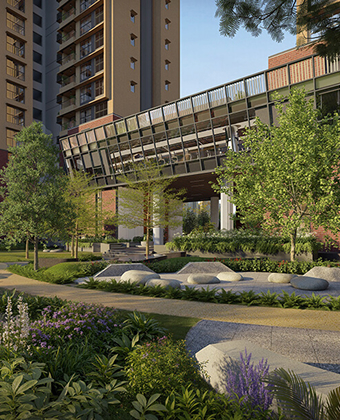
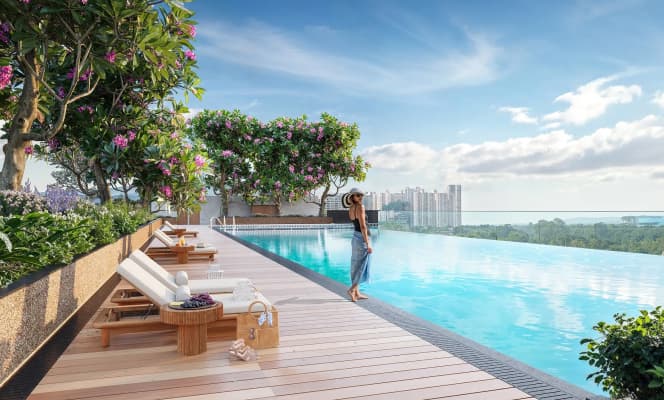
Piramal Vaikunth includes up to 40% open space across its 32-acre site. On this scale, 40% means a substantial amount of landscaped and recreational areas, including the 47,000 sq. ft clubhouse, jogging paths, cycling tracks, an amphitheatre, and gardens throughout the clusters. For residents, this translates to the experience of walking from the parking area to the front door and seeing sky on three sides instead of buildings.
The shift toward low-density living in Thane is partly driven by remote and hybrid work, which has changed what buyers consider when choosing a home. When the daily commute is less frequent, the home's daily environment and its surroundings become more important. Buyers increasingly ask what they will see from their window, what their children will do in the time between school and dinner, and what the air quality is like in the morning. These questions lead residents toward green spaces and away from crowded areas.
Balkum, as a neighbourhood within Thane West, has a more residential feel than the busier retail and commercial areas along Ghodbunder Road. Piramal Vaikunth's location within Balkum, functioning as a self-contained community, offers the kind of refuge from street-level urban noise that families in mid-density Thane neighbourhoods often seek as their children grow.
What to Look for When Buying Near a Green Belt
Buying near a green belt requires checking a few things that aren't always clear in a brochure.
First is permanence. Not all green land is protected. A large open area next to a residential project may have development potential, resulting in changed views, increased traffic, and an altered character of the area. The Yeoor Hills, as a protected forest area within the Sanjay Gandhi National Park ecosystem, pose no such risk. The Forest Department's conservation status means these hills cannot be developed. Buyers should verify the protected status of any green area they are considering; Yeoor Hills passes this check clearly.
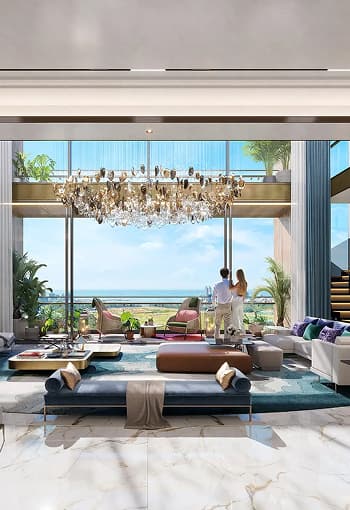
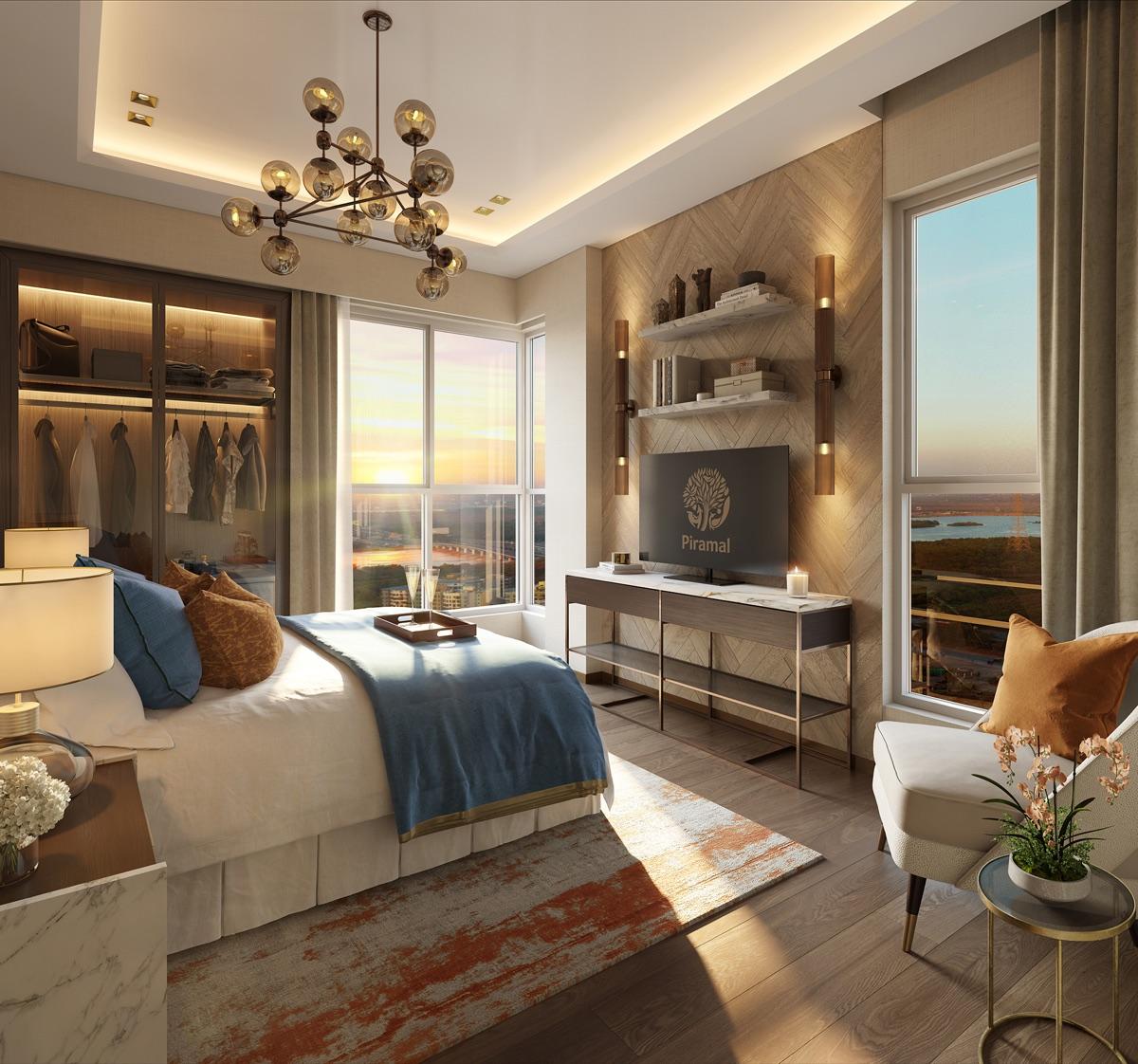
Second is distance and orientation. Being “near” a hill or park is not the same as having a view of it. Which cluster faces which view matters more than the overall distance to the site. At Piramal Vaikunth, Cluster 2 has views of the clubhouse and mini-cricket ground on one side, and the Thane Creek and Yeoor Hills on the other. Cluster 4A faces the Yeoor Hills on one side and the Thane skyline and ISKCON Temple on the other. Buyers specifically interested in green views should ask about the orientation of their specific floor and unit before making a decision.
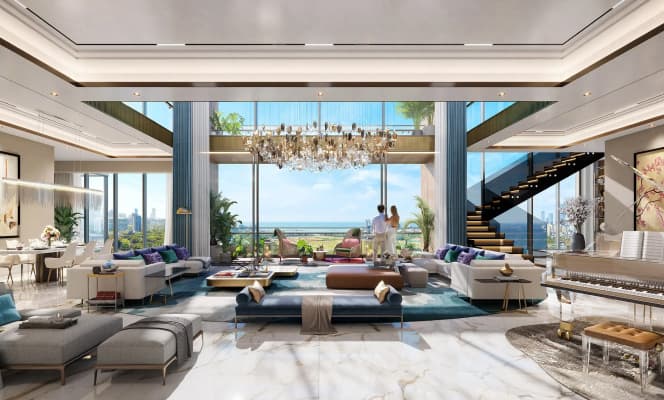
Third is what the project itself adds to the outdoor environment. A home facing a hill but situated within a crowded site loses much of its benefit. At Piramal Vaikunth, the 40% open space across the 32-acre site means the outdoors start at the front door, not at the gate. The landscaping, jogging paths, open podiums, and cycling tracks are part of daily outdoor life, distinct from the views of the Yeoor Hills.
The fourth is the MahaRERA registration and delivery record. For buyers considering a project as a long-term investment, the developer's track record of meeting commitments matters. All clusters at Piramal Vaikunth are registered with MahaRERA. Clusters 1, 2, 4, and 4A have been delivered and Cluster 3 has received its OC.
Does Living Beside Greenery Actually Change How You Feel?
The short answer, backed by consistent research, is yes.
A review of existing studies published in the International Journal of Environmental Research and Public Health found positive links between exposure to nature and lower cardiovascular disease risk, reduced rates of depression and anxiety, and improved cognitive function. The research suggests a combination of factors: reduced exposure to air pollution and urban heat, greater opportunities for physical activity, and direct benefits from interacting with natural settings.
The idea behind much of this research is biophilia, a term introduced by biologist E.O. Wilson to describe an innate human attraction to natural environments and living organisms. The theory suggests humans are evolutionarily programmed to respond positively to natural settings: the presence of trees, open skies, flowing water, and birdsong triggers physical responses that urban environments generally do not. A 2025 systematic review in Frontiers in Physiology found that biophilic design is associated with improved well-being, creativity, and productivity in office settings. Exposure to natural elements is also associated with reduced cortisol levels and lower physiological stress markers.
For families with children, research highlights another angle: access to green spaces encourages cognitive development, promotes more unstructured outdoor play, and creates environments that support mental recovery, the ability to bounce back from the mental fatigue of screen time, structured activities, and urban overstimulation. For working adults, being close to greenery is linked to better sleep and lower baseline stress, especially when the view from home includes natural elements.
None of this suggests that having a view of a hill guarantees well-being. But there is enough evidence to show that buyers who prioritise closeness to protected green spaces are making choices that go beyond aesthetics. There is true practical value in the environment they are selecting.
How to Choose Between a 2 and a 3 BHK in Balkum
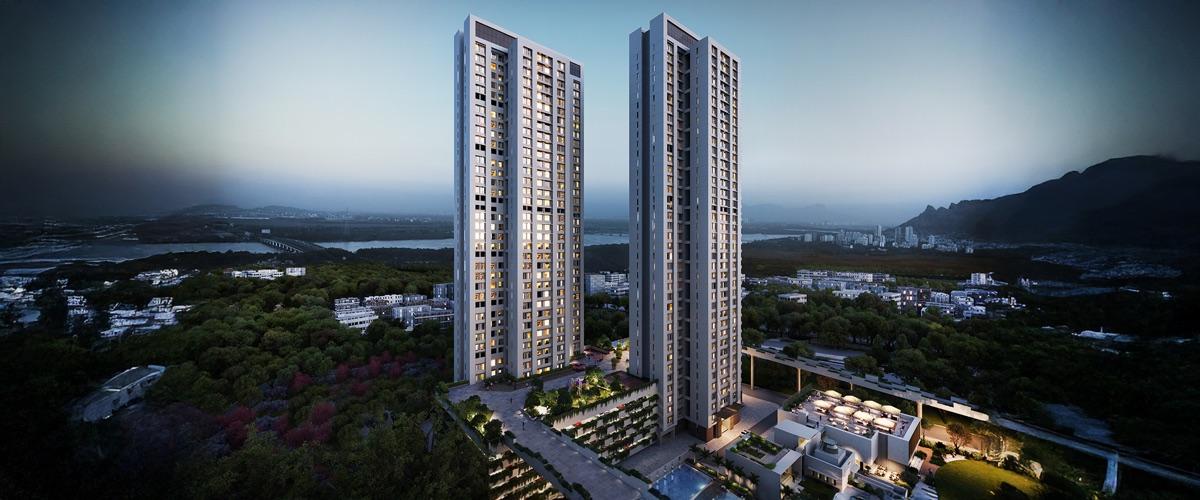
Piramal Vaikunth features 2 BHK homes in Clusters 1, 2, 3, and 4/4A, 3 BHK homes in Clusters 1, 2, and 4/4A, 4 BHK + Study in Cluster 4/4A, and Townhomes (5-bed duplexes) in Cluster 1. Families deciding on the best setup should ask some practical questions.
The first question is about household size and future needs. A 2 BHK works well for couples, single professionals, and families with one young child. Here, the second bedroom can double as a home office or guest room. A 3 BHK is better for families with two children or older parents living with them long-term. It also suits couples who work from home and need separate quiet spaces. Buyers who underestimate their future space needs might find themselves needing to move within five to seven years. Those who overestimate may end up with a higher EMI than necessary.
The second question is about the view. For those interested in the Yeoor Hills view, the cluster and floor placement matter as much as the layout. A 2 BHK in Cluster 2 facing the hills will offer a lovely morning view, while a 3 BHK facing a less favourable direction will not. Buyers should visit the specific unit, check the floor, and note the room directions before deciding.
The third factor is long-term investment potential. Historically, 3 BHK apartments in Thane West have seen higher resale demand than 2 BHKs. This is especially true as families grow and good locations for larger homes stay limited. For buyers planning to hold for 10 years or more, a 3 BHK in a completed township with good infrastructure is a strong long-term choice. This includes the proposed Kapurbawdi Metro Station (0.5 km), Eastern Express Highway (1.3 km), and Jupiter Hospital (2.8 km).
For buyers struggling to make a choice, a visit to Cluster 2 at Piramal Vaikunth is worthwhile. This cluster offers both 2 BHK and 3 BHK options in a completed area with direct views of the Yeoor Hills and Thane Creek, combining two key features of the project in one building.
Frequently Asked Questions
Is it worth buying a flat near Yeoor Hills in Thane West?➕Yes, if you appreciate green views, clean air, and being near a protected ecological area. Yeoor Hills is part of the eastern section of Sanjay Gandhi National Park. It is protected by the Forest Department's eco-sensitive zone regulations. This protection guarantees that future developments won't obstruct the view. With improved metro connections and nearby social infrastructure, apartments close to Yeoor Hills in Thane West are a smart long-term investment.
Which Thane West projects are close to Yeoor Hills?➕Piramal Vaikunth in Balkum is one of the residential projects in Thane West that offers direct views of the Yeoor Hills. Clusters 2 and 4A face the hills, and the Thane Creek is also visible. Visitors can check the specific unit orientation during their site visit. For more details, visit piramalrealty.com/project-vaikunth.
Are there new projects in Balkum with open space and greenery?➕Piramal Vaikunth spans 32 acres in Balkum, Thane West, and has up to 40% open space throughout the site. The project includes 1.71 lakh sq. ft of amenities, landscaped gardens, jogging paths, cycling tracks, and the 47,000 sq. ft clubhouse. Cluster 3, featuring 1 BHK, 1 BHK + Study, and 2 BHK homes, is nearing possession.
Are 3 BHK flats in Thane West a good long-term buy?➕Yes, 3 BHK flats in well-located, completed projects in Thane West have shown strong resale demand, especially in integrated townships that offer amenities and improved metro access. At Piramal Vaikunth, 3 BHK homes are available in Clusters 1, 2, and 4/4A, all delivered with occupancy certificates, situated 0.5 km from the proposed Kapurbawdi Metro Station and 1.3 km from the Eastern Express Highway.
What are the best low-density residential areas in Thane for families?➕Balkum, in Thane West, has a more residential feel compared to the busier Ghodbunder Road corridor. The area has fewer large commercial developments and more established greenery, partly because of its proximity to the Yeoor Hills. Piramal Vaikunth is a self-contained 32-acre gated township in Balkum with 40% open space, making it one of the top low-density residential choices in Thane for families looking for space and urban access.
Is Thane West a good place to live?➕Thane West offers established social infrastructure, including hospitals such as Jupiter Hospital, schools such as CP Goenka International and DAV Public, and retail options at Lake Shore Mall. It also offers better metro connectivity and quicker highway access to Mumbai and Pune than many inner suburbs. Areas like Balkum, near the Yeoor Hills and Thane Creek, offer a quieter residential atmosphere within the larger urban area of Thane West.
Is a home near Yeoor Hills a good long-term investment?➕Yes, forest preservation is an important long-term factor. Unlike views towards undeveloped land, the Yeoor Hills cannot be built on. Homes facing a permanent green view have historically sold for a premium. Given the township's completion status, metro access, and established community infrastructure, homes at Piramal Vaikunth with views of the Yeoor Hills make a strong case for long-term investment.
Does living near green spaces actually improve well-being?➕Yes, research backs this up. Studies in environmental health and urban planning have consistently shown links between proximity to green spaces and lower rates of stress, anxiety, and depression, as well as better cognitive function and increased physical activity. Benefits include improved air quality, reduced urban heat, restorative effects from visual contact with nature, and more opportunities for outdoor activities. These benefits are more pronounced when green spaces are easily accessible, and homes have views of natural elements.
Is Balkum a good area to live in Thane?➕Balkum is a residential area in Thane West along Ghodbunder Road, which connects Thane to Borivali, Mulund, and the Eastern and Western Express Highways. It has a quieter vibe compared to busier sections of Ghodbunder Road, with proximity to the Yeoor Hills and Thane Creek. Key distances from Piramal Vaikunth in Balkum include: Eastern Express Highway (1.3 km), Thane Railway Station (5.1 km), Jupiter Hospital (2.8 km), and the proposed Kapurbawdi Metro (0.5 km).
What is nature-led or biophilic living?➕Biophilic living is a design approach based on the idea that humans naturally connect with nature. In residential terms, it means homes designed to maximise natural light, greenery, open sky, and green views. It focuses on communities with significant open space, water features, and mature landscaping. Piramal Vaikunth describes its planning philosophy as rooted in biophilia, reflected in the 40% open space across the 32-acre site, the landscape design, and the tower orientations towards the Yeoor Hills and Thane Creek.
What makes a residential project low-density?➕A low-density residential project maintains a low ratio of built-up area to total site area, leaving much of the land as open, landscaped, or recreational space. This results in fewer buildings spread out over a larger area, wider spacing between structures, bigger common spaces, and a living environment where residents enjoy open skies and greenery rather than continuous buildings. Piramal Vaikunth's allocation of up to 40% open space across a 32-acre site exemplifies this planning approach.
Disclaimer - This article is based on the information publicly available for general use as well as reference links mentioned herein. The views expressed above are for informational purposes only based on industry reports and related news stories. Piramal Realty does not guarantee the accuracy, completeness, or reliability of the information and shall not be held responsible for any action taken based on the published information. Piramal Realty expressly disclaims/disowns any liability, which may arise due to any decision taken by any person/s basis the article hereof. Readers should obtain separate advice with respect to any particular information provided here in.