Thane's Integral Ring Metro and What 22 Stations Inside the City Mean for Residents
Image Credits: Midday
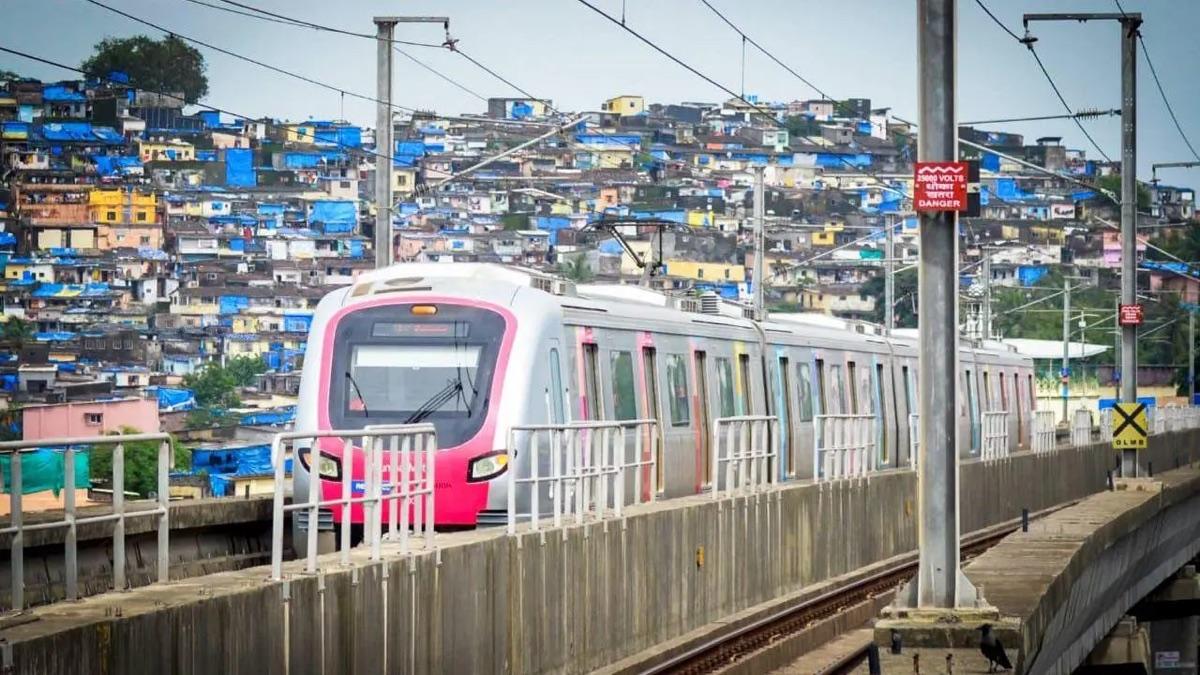
Every major city in India faces the same transit issue. The radial metro lines efficiently take you to the city edge, but the last few kilometres to actual destinations remain a challenge. Thane experiences this issue acutely. The Metro Line 4 (Green Line) runs south to Kasarvadavali, while Metro Line 5 (Orange Line) connects Kapurbawdi and Balkum Naka from the west. Yet, neither line loops within the city itself. Travelling from Thane Junction to Wagle Estate, Ghodbunder Road to Manpada, or Kolshet to Balkum Naka still requires navigating busy internal roads via auto-rickshaw or private vehicle. The proposed Thane Integral Ring Metro is designed to address these exact problems.
Approved by the Union Cabinet in August 2024 and under construction since April 2026, the Thane Ring Metro is a landmark initiative, a 29 km circular route with 22 stations encircling Thane city. It is India's first intra-city ring metro within a single municipality designed specifically to solve the “last-mile” challenge that residents face when moving between neighbourhoods. This blog by Piramal Realty explains what the Thane Ring Metro project is, which areas it covers, how it connects to the broader metro network, when it will open, its impact on traffic inside Thane, and how its 22 stations will reshape the best residential areas in Thane for years after 2029.
What Is the Thane Integral Ring Metro, and How is it Different from Other Metro Lines?
The Thane Integral Ring Metro is a 29 km circular line that loops around Thane city rather than running straight in or out of it. This closed ring structure sets it apart from every other metro line in the Mumbai Metropolitan Region which are all radial in nature. It also allows it to tackle the intra-city connectivity problem that radial lines cannot solve.
On a radial line, every trip involves heading toward or away from a city hub. With a ring metro, you can start at any station and travel to any other station without needing to go through a central interchange. Thane residents on Ghodbunder Road can travel directly to Wagle Estate or Balkum Naka without first going to Thane Junction. This fundamentally changes everyday life in Thane, benefiting not just commuters heading to Mumbai but also residents who work, shop, and spend time within the city.
The Thane Ring Metro project meets full heavy metro standards, not light rail or metro-lite, with standard gauge track and CBTC (Communications-Based Train Control) signalling, making it ready for driverless operation. Of the 22 stations, 20 are elevated, while 2 are underground. The underground portion runs through the Thane Junction area, where surface construction was impractical. The ring is bordered on one side by the Ulhas River and on the other by Sanjay Gandhi National Park. These natural boundaries have historically limited Thane's outward growth, making the ring's role as an intra-city connector even more important.
Official name
Thane Integral Ring Metro (Thane Ring Metro)
Developer / Owner
Maharashtra Metro Rail Corporation Limited (MahaMetro)
Central Govt approval
August 2024
Total project cost
₹12,200 crore
Route length
29 km circular (26 km elevated + 3 km underground)
Stations
22 (20 elevated + 2 underground)
Track/signalling
Standard gauge; CBTC (driverless-ready); electrification system to be confirmed by MahaMetro
Connections
Metro Line 4 (Green), Metro Line 5 (Orange), Thane Railway Station
Construction start
April 2026 — civil works in the Ghodbunder area
Target completion
2029
Ridership at launch
6.47 lakh passengers/day (2029); 8.72 lakh/day projected by 2045
Source: MahaMetro (thanemetrorail.com), MetroRailGuy (December 2025), ThePropertist (April 2026), Wikipedia (Thane Metro). All project data is subject to revision by MahaMetro and the Maharashtra government.
How Many Stations Will the Thane Ring Metro Have and Which Areas Does it Cover?
The Thane Ring Metro map has 22 stations spread across a 29 km loop. It links Thane's main residential, commercial, industrial, and transport areas into one connected network.
#
Station
Key Significance
Type
1
Raila Devi
Southern gateway to Thane's industrial belt
Elevated
2
Wagle Circle
Core of Wagle Estate MIDC industrial zone
Elevated
3
Lokmanya Nagar Bus Depot
Connects to bus network; residential node
Elevated
4
Shivaji Nagar
Dense residential and commercial node
Elevated
5
Neelkanth Terminal
Residential and transit node
Elevated
6
Gandhi Nagar
Central Thane residential area
Elevated
7
Dr. Kashinath Ghanekar Natyagraha
Thane's primary cultural and civic district
Elevated
8
Manpada
Commercial offices and residential corridor
Elevated
9
Dongripada
Northern Thane residential locality
Elevated
10
Vijaynagari
Residential area, northern Thane West
Elevated
11
Waghbil
Ghodbunder Road residential belt
Elevated
12
Waterfront
Ulhas River edge; scenic residential
Elevated
13
Patlipada
Ghodbunder Road development zone
Elevated
14
Azad Nagar Bus Stop
Bus interchange and residential locality
Elevated
15
Manorma Nagar
Residential zone, western Thane
Elevated
16
Kolshet Industrial Area
Premium residential development zone near creek
Elevated
17
Balkum Naka
Mid-city residential; Line 5 (Orange Line) interchange
Elevated
18
Balkumpada
Adjacent residential node; connects to Piramal Vaikunth corridor
Elevated
19
Rabodi
Eastern Thane residential area
Elevated
20
Shivaji Chowk
Key junction connecting to the Thane Junction underground section
Elevated
21
Thane Junction
Central Railway interchange; primary commuter hub
Underground
22
New Thane
The second underground station completes the ring loop
Underground
The station list is indicative based on MahaMetro published route data (thanemetrorail.com). Final station names and locations are subject to confirmation by MahaMetro. Minor name variations exist across sources.
The ring metro route spans the entire arc of Thane's residential areas. It starts in the older, denser neighbourhoods near Thane Junction and Shivaji Nagar. Then, it moves through the new development areas along Ghodbunder Road, including Waghbil, Patlipada, and Waterfront, as well as Kolshet. Finally, it reaches the outer residential zones of Balkum Naka, Balkumpada, and Kasarvadavali. For residents in these varied neighbourhoods, the ring will eliminate the daily struggle of navigating the city. Currently, they face a crowded road network and rely on auto-rickshaws. The new metro will offer a planned, air-conditioned ride that will take just a few minutes.
How Does the Thane Ring Metro Connect to Metro Line 4, Line 5, and the Central Railway?
Three interchange points link the ring to the broader network:
Metro Line 4 (Green Line) at Kasarvadavali: Line 4 connects Thane to Ghatkopar, Andheri, Wadala, and South Mumbai via 32.32 km and 32 stations. Riders on the Thane Ring Metro from Ghodbunder Road, Manpada, or Kolshet can transfer directly to Line 4 for southbound trips to Kasarvadavali in Mumbai.
Metro Line 5 (Orange Line) at Balkum Naka: The Thane Ring Metro connects with Line 5 at Balkum Naka, which is one of the confirmed stations of the ring.
Thane Railway Station (Central Railway): Two underground stations in the Thane Junction area, Thane Junction and New Thane, connect the ring directly to Thane's Central Railway station. This station is one of India's busiest suburban stations. The ring serves as a practical first and last-mile option for rail commuters.
Together, these three interchanges form a transit network. The Ring Metro, Lines 4 and 5, provide residents of Thane's best areas easy access to western Mumbai suburbs (Line 4), the eastern MMR (Line 5 to Bhiwandi/Kalyan), and the entire Central Railway suburban network.
How Will the Thane Ring Metro Reduce Traffic Congestion and What Is the Opening Timeline?
Thane's internal roads network, Ghodbunder Road, Pokhran Road, and Teen Hath Naka, is overloaded during peak hours. Auto-rickshaws, the primary mode of intra-city travel, face limits on permits that haven't kept pace with the city's growth from under 10 lakh (2001) to over 20 lakh (2011 Census) and beyond. Intra-city trips of 5–8 km often take 30–45 minutes during peak times.
The Thane Integral Ring Metro is set to meet a large portion of the demand for intra-city travel. MahaMetro's official ridership projections expect 6.47 lakh passengers each day when it opens in 2029, increasing to 8.72 lakh daily by 2045. For comparison, Metro Line 4, the Green Line from Wadala to Kasarvadavali, has one of the highest ridership among Mumbai's metro lines in its early stages, with reports suggesting 1–2 lakh daily users as it develops. The ring metro's much higher expected ridership shows the dense commuter base in Thane and highlights the lack of any rapid transit options for internal travel at this time.
Construction on the Thane circular metro project started in the Ghodbunder area in April 2026. The Kalpataru-HG Infra joint venture has an EPC contract worth ₹1,415 crore to handle a section of civil work. The plan aims for full commissioning across all 22 stations by 2029.
How Will the Thane Ring Metro Affect Property Prices and Residential Demand?
The Thane Ring Metro is expected to influence real estate prices in ways other major metro routes across the Mumbai Metropolitan Region (MMR). Historically, prices in nearby micro-markets begin to rise when construction starts, not merely at the stage when the project is approved. They typically peak 12 to 18 months before the metro starts operations, then stabilise at a premium of 10 to 20% over other locations without metro access.
Which Thane residential areas will benefit most? Three groups stand out. First, micro-markets without rapid transit, such as Manpada, Wagle Estate, and Rabodi, will see the greatest improvements in connectivity and are expected to experience the most significant price increases. Second, micro-markets already connected by a radial line, such as Ghodbunder Road and Kasarvadavali (Line 4) and the Balkum Naka corridor (Line 5), will gain added intra-city connectivity while maintaining their access to Mumbai, making them prime residential areas for working professionals. Third, areas like Thane Junction and Shivaji Nagar, which are already on the Central Railway, will benefit from the ring metro as a feeder for residents in the city's outer belts, boosting foot traffic and commercial value in those neighbourhoods.
In Thane's residential micro-markets, the ring metro's influence differs from that of a radial line. Since the ring runs through the city's centre, every station will have better access to all other parts of Thane, rather than just to Mumbai. Residents on Ghodbunder Road who currently use Line 4 for trips to Mumbai will gain new intra-city connectivity that they don't have now.
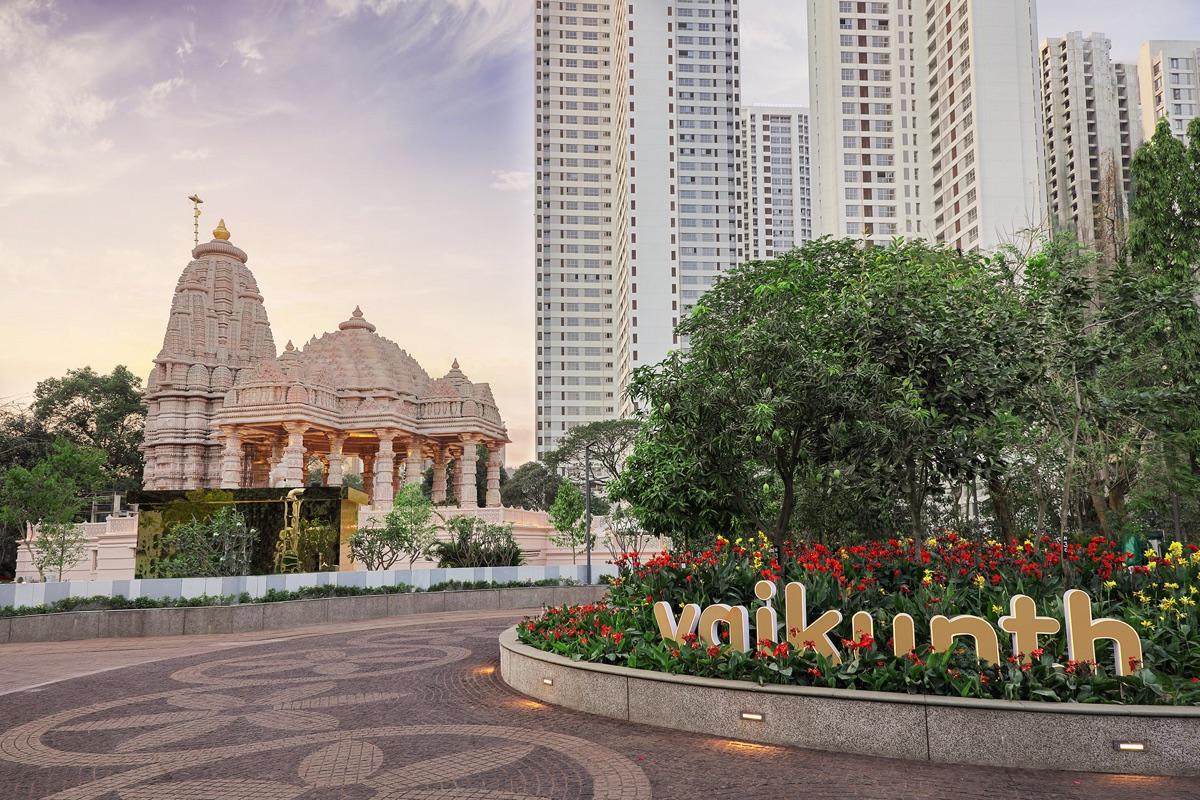
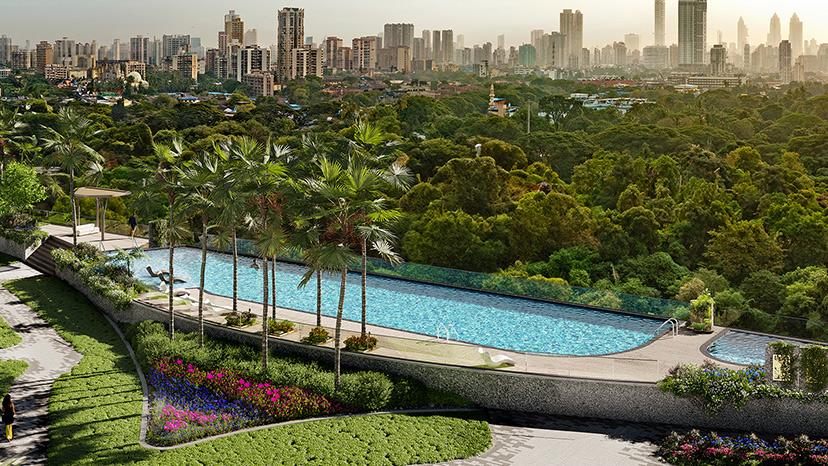
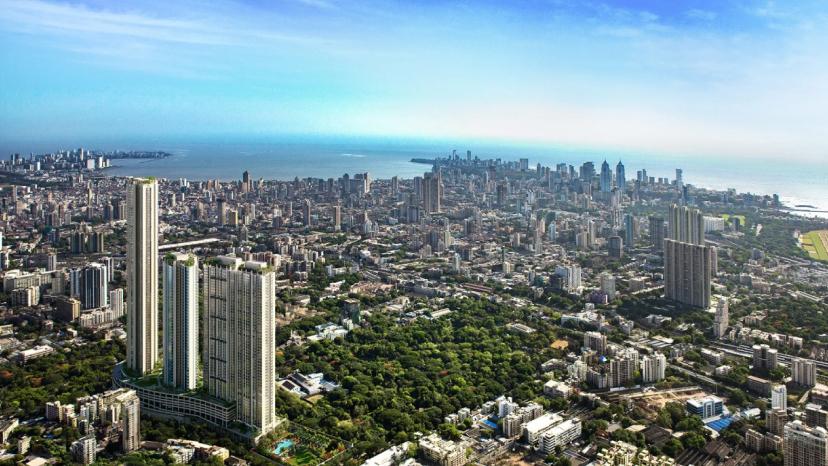
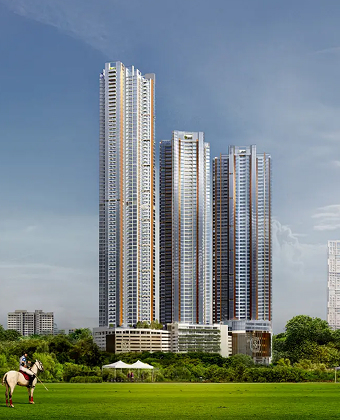
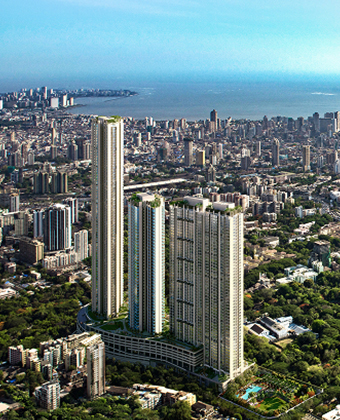
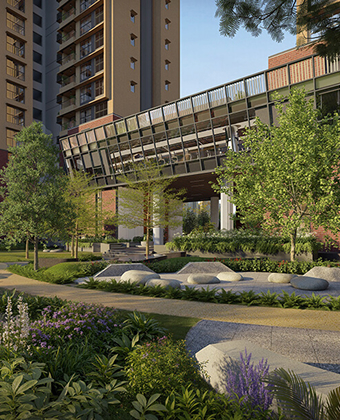
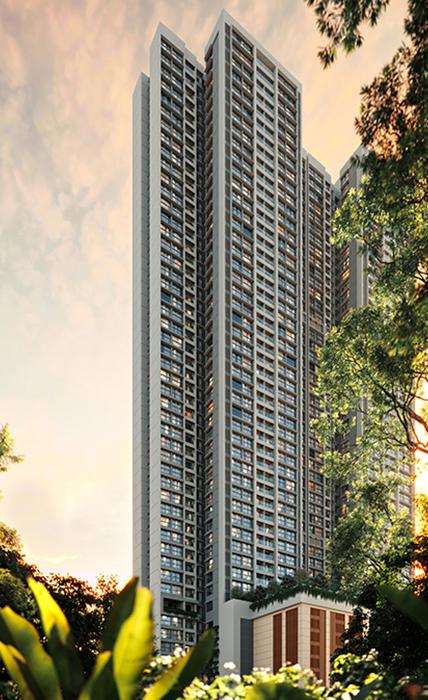
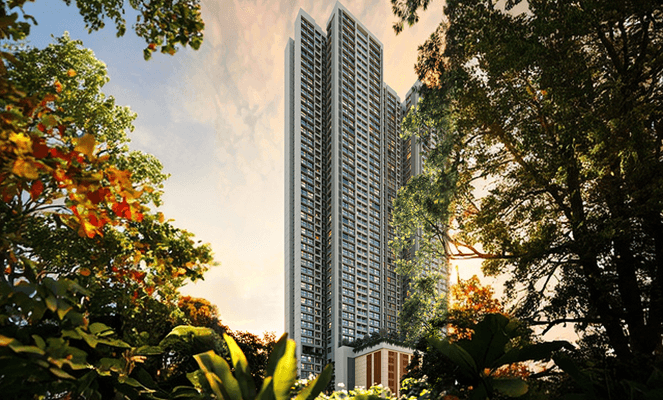
Piramal Vaikunth, a 32-acre township in Thane West, is well-positioned within this connectivity framework. The Kapurbawdi metro station on Line 5 is 0.5 km from the project, so residents currently have easy access to Mumbai. Once the Balkum Naka and Ghodbunder Road stations of the Ring Metro are operational, residents of Vaikunth will have even better intra-city connectivity, allowing direct access to Thane Junction, Wagle Estate, Manpada, and Kasarvadavali via a scheduled metro service rather than by road. The 32-acre Piramal Vaikunth development includes up to 40% open space and 1.71 lakh sq. ft. of amenities, making it one of the best-planned residential communities in Thane West. Its connectivity will improve further as both Line 5 and the Ring Metro come into service by 2029.
The Thane Ring Metro's 22 stations will enhance the transit options already provided by Lines 4 and 5. While those lines connect Thane to Mumbai and the eastern MMR, the ring metro will provide an efficient way to navigate the city without a car or an auto-rickshaw. For potential homebuyers considering a purchase in Thane in 2026, the ring metro represents a solid, funded infrastructure project currently under construction, with a definitive timeline for completion in 2029. This is more than just a hopeful promise; it's a clear, verifiable infrastructure consideration that should be part of any serious analysis of Thane's residential areas, along with price, developer track record, and project details.
Frequently Asked Questions
What is the Thane Integral Ring Metro, and how is it different from other metro lines?➕
The Thane Integral Ring Metro is a 29 km circular metro line that forms a closed loop around Thane city. It is India's first intra-city ring metro serving a single municipality. Unlike radial metro lines (such as Line 4 and Line 5), which connect Thane to other cities, the ring metro connects various residential, commercial, and industrial areas within Thane itself. This layout allows residents to access any part of Thane directly without needing to go through a central interchange.
How many stations will the Thane Ring Metro have, and which areas will it serve?➕
The Thane Ring Metro has 22 stations, including 20 elevated and 2 underground, spread over a 29 km loop. MahaMetro has published the complete official station list, which is confirmed in press reports as of mid-2026. The 22 stations are: Raila Devi, Wagle Circle, Lokmanya Nagar Bus Depot, Shivaji Nagar, Neelkanth Terminal, Gandhi Nagar, Dr. Kashinath Ghanekar Natyagraha, Manpada, Dongripada, Vijaynagari, Waghbil, Waterfront, Patlipada, Azad Nagar Bus Stop, Manorma Nagar, Kolshet Industrial Area, Balkum Naka, Balkumpada, Rabodi, Shivaji Chowk, Thane Junction (underground), and New Thane (underground). The route connects all major residential, commercial, and transit areas in Thane in one continuous loop.
When will the Thane Ring Metro be completed and open to passengers?➕
The Thane circular metro project is scheduled for completion in 2029, according to MahaMetro's timeline. Civil construction began in the Ghodbunder area in April 2026. The full ₹12,200 crore project received approval from the Union Cabinet in August 2024. As of mid-2026, multiple civil contracts have been awarded or are under assessment. The entire 22-station ring aims to be commissioned in 2029, although some sections may open in phases leading up to that date.
Will the Thane Ring Metro connect to Metro Line 4 and Line 5?➕
Yes, it will connect to both. The Thane Ring Metro will interchange with Metro Line 4 (the Green Line from Wadala to Kasarvadavali) at Kasarvadavali and with Metro Line 5 (the Orange Line from Kapurbawdi to Kalyan) at Balkum Naka on the ring corridor. It will also connect to the Central Railway at Thane Junction through two underground stations. These three interchange points will provide comprehensive connectivity to the wider MMR transit network.
How will the Thane Ring Metro affect property prices near its stations?➕
The impact of the Thane Integral Ring Metro on real estate will follow the established trend seen in Mumbai's metro corridors. Properties near the metro are expected to see a 10-20% increase in value compared to similar properties without metro access. Prices in these areas will begin to rise during construction rather than waiting for the metro to start functioning. The ring metro's influence will differ from that of radial lines, as it will enhance connectivity within Thane at every station along the loop, rather than just at those with direct access to Mumbai. Micro-markets along Ghodbunder Road, Kolshet, and Balkum Naka are anticipated to respond noticeably as the project's 2029 completion date approaches.
Disclaimer - This article is based on the information publicly available for general use as well as reference links mentioned herein. The views expressed above are for informational purposes only based on industry reports and related news stories. Piramal Realty does not guarantee the accuracy, completeness, or reliability of the information and shall not be held responsible for any action taken based on the published information. Piramal Realty expressly disclaims/disowns any liability, which may arise due to any decision taken by any person/s basis the article hereof. Readers should obtain separate advice with respect to any particular information provided here in.