Why Higher Floors Have Become Popular
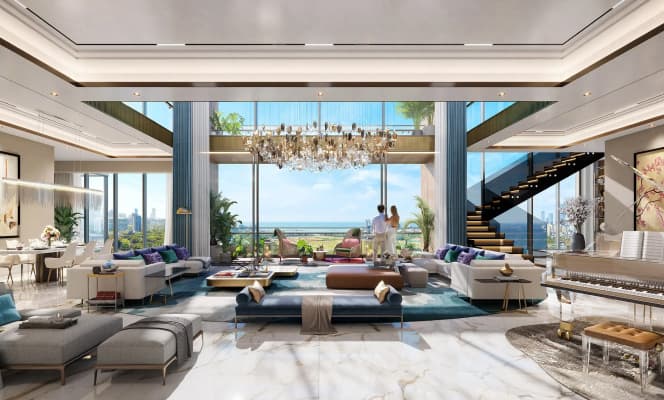
The preference for higher floors in Indian high-rise apartments isn't a new phenomenon. However, it has increased as cities have grown denser and good views have become harder to find. In Mumbai high-rise apartments, the value of an unobstructed view — whether over a botanical garden, a harbour, or an open horizon — has become an important factor in pricing and selection. A higher floor often ensures a clear view even as new buildings go up around it.
This demand impacts prices directly. In many Indian cities, mid- to high-floor units are priced higher than lower-floor units in the same building. This reflects better views, less street noise, and more consistent natural light. For many buyers, that extra cost feels almost expected. A higher floor is seen as a sign of a better home, even before carefully considering the specific benefits.
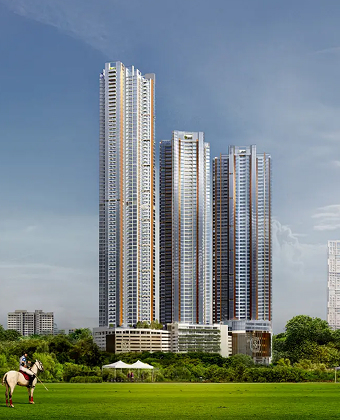
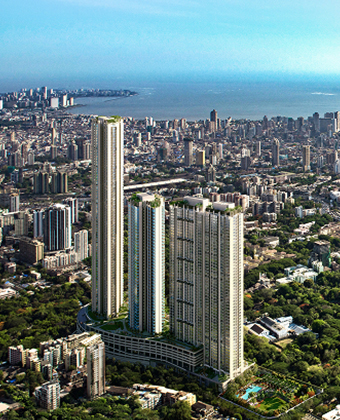
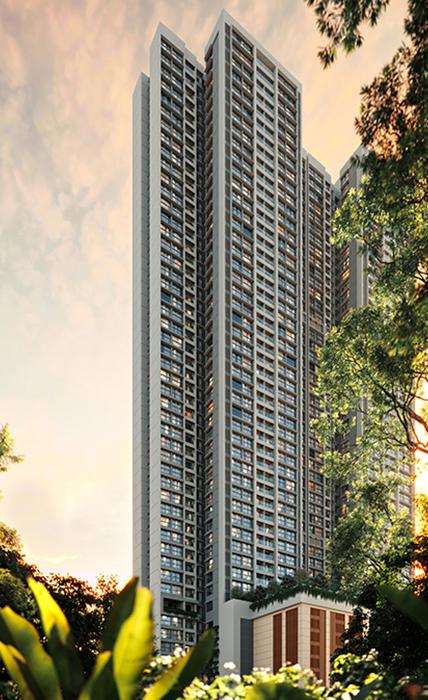
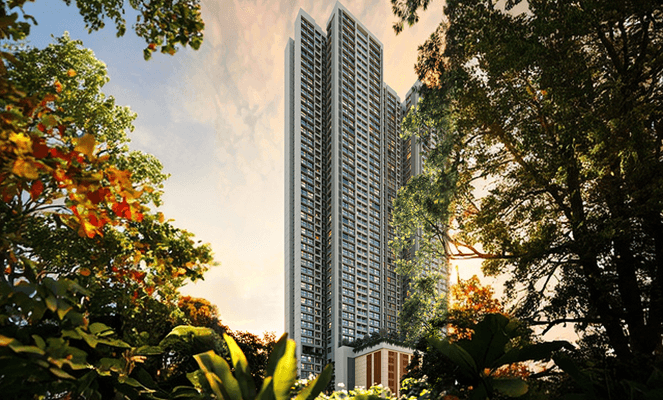
This trend is evident in developments like Piramal Aranya in Byculla, South Mumbai. The Arav tower rises to 72 storeys, making it one of the tallest residential buildings in the city. Buyers on different floors have distinctly different experiences with the views of the 60-acre Rani Baug botanical garden and the Eastern Harbour. Choosing a floor isn't just a matter of preference; it is an important part of what the address offers.
The Appeal of Living Higher Up
There are solid, practical reasons why high-rise living appeals to buyers. Each of the main advantages is worth understanding.
Views and Openness
The biggest benefit is the view. Higher floors usually offer an unobstructed sightline over nearby buildings. This allows residents to enjoy sunrises and sunsets, and to feel a sense of openness that lower floors just can't provide in a dense city. In fast-growing urban areas, buying on a higher floor also protects against future construction. A view from the 5th floor, blocked by a new building next door, remains clear from the 25th.
Noise Reduction
People often underestimate the importance of noise reduction compared to views. However, for many residents, it becomes the daily benefit they appreciate most. Noise from traffic, construction, and busy streets decreases significantly with height. Higher floors are also farther away from the immediate noise of building amenities, such as playgrounds, parking areas, and ground-level entrances. This results in a quieter home, making it easier to sleep, work, and relax.
Privacy
Privacy improves with height. On lower floors, people walking by or residents in adjacent buildings can look in at eye level. Higher floors eliminate that line of sight. There is also less foot traffic near a high-floor unit, allowing residents to feel more separated from the communal activities below. For buyers who value a quiet, private daily environment, the combination of views, reduced noise, and physical distance from ground level creates a noticeably better quality of life.
What Buyers Often Overlook About Higher Floors
While the higher floors are often associated with better views, greater privacy, and reduced noise, they also come with practical disadvantages. The downsides of higher floors are real, even if they don't get as much attention as the benefits. The most significant concern is dependence on elevators. Every time you enter or leave your home, you depend on a working lift. During busy times like mornings and evenings, waiting for an elevator can be quite frustrating, especially in larger buildings where more units share fewer elevators.
This issue becomes even more serious during emergencies or power outages. Elevators usually stop working during power cuts, and evacuating from a 20th or 30th floor is much different from getting down from the 4th or 5th floor. This is particularly relevant for families with elderly members, young children, or anyone with mobility issues.
Higher floors can also experience more heat in many climates. They receive more direct sunlight throughout the day than shaded lower floors, which can lead to higher cooling bills over time, reducing the benefits of the view premium. Additionally, when it comes to resale, floors above around the 15th storey in many Indian high-rises usually attract fewer buyers than mid-level floors. Not every buyer wants or needs that height, which is worth considering if you plan to sell or rent in the future.
Is the Top Floor Always the Best Floor?

Not necessarily. This is where the idea that “higher is always better” falls apart. The very top floor offers the best views and a maximum sense of exclusivity, but it also has significant downsides. It relies the most on elevators, has the most sun exposure from the roof, requires the longest evacuation route in an emergency, and has the smallest resale pool.
Most architecture and real estate experts suggest that the best choice for most buyers is a middle- or upper-middle-floor unit rather than the very top. In a typical 25 to 30-storey building, the range from about the 10th to the 20th floor provides clear advantages. These include good views, reduced noise, and more privacy without the extreme downsides of the uppermost floors.
A development like Piramal Aranya in Byculla shows how this works in practice. In both towers, the Avyan and the 72-storey Arav, different floor levels provide different combinations of views of the Rani Baug gardens and the Eastern Harbour. Buyers looking for the best view of both can choose higher floors in Arav. Those who want a balance of views, everyday access, and proximity to the development's podium-level amenities may find a mid-range floor in either tower to be a more practical option. The development's multi-tower design means choosing a floor is a real decision, not just a default option. For current availability and floor-wise unit options, contact our sales team.
Some buyers do have specific reasons to prefer the very top. They may love the view above all else or feel that the exclusivity and privacy make the trade-offs worthwhile. But for most buyers, the top floor is a specific choice with its own costs, not an automatic upgrade.
Lower, Mid, and Higher Floors: How the Experience Changes
Lower Floors (Ground to Approximately 8th Storey)
Lower floors offer the easiest daily access. They rely little on elevators, allow quick emergency evacuations, and are closest to parking, gardens, and ground-level amenities. They are usually the most affordable in the building. However, there are trade-offs: more street noise, limited views, increased exposure to ground-level dust, and sometimes less natural light. For families with young children, elderly residents, or those who often carry heavy items, the convenience often outweighs the benefits of views on higher floors.
Middle Floors (Approximately 8th to 18th–20th Storey)
The middle floors strike a good balance among the main factors. Noise is much lower compared to the lower floors. Views and natural light are significant, and while there is moderate reliance on elevators, it doesn't usually become a daily hassle. Exposure to insects and ground-level dust is mostly avoided, and the intense heat from the roof level of the top floors is not yet an issue. For resale and rental, this range attracts the widest variety of buyers, making middle floors the easiest to sell in most buildings.
Higher Floors (Above Approximately 18th–20th Storey)
Higher floors offer the best views, the most noise reduction, and greater privacy from the building's communal areas. These advantages are substantial and often important for some buyers. However, there are also trade-offs: complete reliance on elevators, significant concerns for emergency access, increased sun exposure near the top of the building, and a smaller resale and rental market. The price premiums in this range are typically the highest in the building, reflecting a smaller pool of potential buyers at resale.
Which Floor Suits Different Types of Homebuyers?
Families with young children or elderly members usually benefit from lower- to mid-level floors. Quick access without using the lift is often more important in day-to-day life. Making multiple trips with a stroller, school bags, or groceries is common. Being close to play areas, gardens, and emergency exits adds a layer of safety worth considering, even at the expense of a view.
Young professionals and childless couples often prefer mid- to high-floor units. Here, elevator wait times are less disruptive because there are fewer daily trips. The privacy, quietness, and views align with lifestyles that focus on work, rest, and personal space rather than frequent access to the ground floor.
People working from home may find higher floors valuable for the natural light and views that create a better home office environment. Smaller households tend to make fewer daily elevator trips, which lessens the impact of being dependent on the lift.
Investors focused on resale value and rental potential usually do best with middle-range floors, generally between the 5th and 15th storey in most buildings. This range combines high demand with the widest pool of future buyers or tenants, rather than the more specific appeal found on the highest floors.
| Factor | Lower Floors | Mid Floors | Higher Floors |
|---|
| Noise | Higher (street, traffic) | Low | Lowest |
| Views & light | Limited | Good | Best, unobstructed |
| Elevator dependence | Minimal | Moderate | High |
| Emergency access | Fastest, stairs viable | Manageable | Slowest, lift-dependent |
| Insects & dust | More exposure | Reduced | Minimal |
| Thermal load | Cooler (shaded) | Moderate | Higher (sun exposure) |
| Price premium | Lowest | Moderate | Highest |
| Resale liquidity | Wide buyer pool | Widest buyer pool | Narrower buyer pool |
| Best suited for | Elderly, young children | Most buyers with balanced needs | Privacy and view seekers |
Frequently Asked Questions
Is it better to live on a higher floor in a high-rise?➕It depends on your priorities. Higher floors usually offer better views, less noise, and more privacy, but they come with greater reliance on elevators, longer emergency evacuation times, and often a higher price. For those prioritising accessibility and convenience for families, lower- to mid-level floors usually work better for daily life.
Which floor is considered ideal in an apartment building?➕There isn't one perfect floor for every buyer. Still, mid-range floors, typically between the 8th and 18th storeys in a high-rise, are often viewed as offering the best balance of views, noise reduction, manageable reliance on elevators, and good resale potential. This makes them a sensible choice for most buyers.
Are higher floors more expensive?➕Generally, yes. In most Indian cities, the mid- to high floors are priced higher than the lower ones in the same building due to better views, less noise, and more natural light. However, floors above the 15th storey may end up with a narrower buyer pool during resale, which can offset some of the price premium over time.
Do higher floors offer better views and ventilation?➕Yes, generally. Higher floors usually have fewer obstructions in their views and receive better natural light throughout the day, as they are less likely to be shaded by nearby buildings. Ventilation is also often better at higher levels, though this can vary based on the building's orientation and surrounding structures.
Is noise lower on upper floors?➕Yes. Noise from street traffic and ground-level activities drops significantly at higher levels. Additionally, the upper floors are farther from a building's ground-floor amenities, such as children's play areas. This is often seen as one of the main benefits of living on higher floors.
How does elevator dependence affect daily life?➕Higher floors depend entirely on elevators for moving about, which can result in longer wait times during busy hours. This can become a more serious issue during blackouts or emergencies when stairs are the only option. This reliance is usually less disruptive for smaller households that have fewer trips each day, but can be more significant for families with children or elderly members.
Which floor is best for families with children?➕Lower- to mid-floor units are typically better for families with young children. They provide quicker access without using the lift for daily routines, are closer to play areas and gardens, and enable faster emergency evacuations. Reduced reliance on elevators is especially important for households that make many trips in and out.
Disclaimer - This article is based on the information publicly available for general use as well as reference links mentioned herein. The views expressed above are for informational purposes only based on industry reports and related news stories. Piramal Realty does not guarantee the accuracy, completeness, or reliability of the information and shall not be held responsible for any action taken based on the published information. Piramal Realty expressly disclaims/disowns any liability, which may arise due to any decision taken by any person/s basis the article hereof. Readers should obtain separate advice with respect to any particular information provided here in.