How to Evaluate a New Residential Launch Before the Price List is Released
The best time to buy a flat in a new residential project is often before the price list is officially released. Pre-launch and early-launch registrations usually offer the best pricing, the widest selection of units, and the greatest room for negotiation. However, these early opportunities also come with significant uncertainty. Many important details — such as full specifications, independent structural audits, comparative market pricing, and, in some cases, RERA registration — may not yet be available to buyers.
Evaluating a new project launch before pricing is announced requires different skills than assessing a completed flat. It is not just about comparing quoted prices — it is about checking the developer's credibility, understanding the location's fundamentals, examining the project's regulatory status, and analysing the micro-market's price trends. This allows you to determine if the upcoming price will be a good value. This guide by Piramal Realty offers a practical way to assess a new project before pricing is announced. It is structured around the questions that distinguish informed buyers from those who rely solely on the sales team's claims.
What Should a Homebuyer Check About a Developer Before a New Launch?
The developer's track record is the most important factor in evaluating any new residential project and is one of the few pieces of information available before the price list is released. You can gather what you need from three sources:
RERA complaints database: Each state's RERA authority keeps a publicly searchable list of complaints filed against registered projects and developers. In Maharashtra, you can search at maharera.mahaonline.gov.in. The absence of complaints is a good sign; multiple complaints about delays or deviations from specifications are serious warnings. Also, review the quarterly progress reports for previously delivered projects to determine whether milestones were met on time and whether the construction escrow was maintained.
Delivered project visits: Visit one of the developer's previous projects and talk to residents who have lived there for 1–2 years, not the sales team. Inquire about possession timing, whether the specifications matched what was promised, and the quality of service after possession. This simple exercise provides better insight than any brochure.
Lender disclosures: The RERA pages for past projects list construction lenders. Projects financed by HDFC Bank, ICICI Bank, Tata Capital, or SBI indicate that a lender has already done its own technical and legal due diligence on the project. This serves as a meaningful risk filter, though it is not an endorsement. If the same lender is involved in a new project launch from the same developer, it carries that benefit forward.
What Is the Importance of RERA Registration When Evaluating a New Launch Project?
RERA registration is a legal requirement, not just a formality. According to Section 3 of the Real Estate (Regulation and Development) Act, 2016, a developer cannot advertise, market, book, or collect any money for a project that is not RERA-registered. Any developer promoting a new project launch or collecting booking amounts without a RERA number is directly violating this rule.
RERA registration provides buyers evaluating a new project launch before the price list is released with:
Verified project details: RERA discloses the developer's name, land parcel, project layout, unit mix, and committed possession timeline. Comparing the sales team's claims with the registration can quickly reveal inconsistencies.
Committed possession date: This date is legally binding. If the developer misses it, they must pay buyers interest at SBI MCLR + 2% per year on all amounts received. Knowing the RERA date before signing helps you gauge whether the timeline is realistic based on the current state of approvals and construction.
Construction escrow: RERA requires that 70% of buyer collections be deposited in a separate project account used only for that project's construction. This reduces, though does not eliminate, the risk of fund misuse.
Quarterly progress reports: The developer must file these reports after registration, which are publicly accessible to any buyer. For a new launch, the first few quarterly reports will indicate whether the construction pace aligns with the promised timeline.
A simple rule for new residential projects in Mumbai or Thane is: if the project has no MahaRERA number when you are asked to pay, do not pay. Always ask for the RERA number first; if it does not exist, walk away.
How Do You Assess the Location of a New Launch Before Pricing Is Revealed?
Assessing the location before the price list is released is one of the most valuable actions a buyer can take. It lets you form your own opinion on the price, rather than just reacting to what the developer claims. Three key aspects matter:
Comparable project pricing: What do completed properties in the same micro-market sell for per square foot? This information is publicly available through MahaRERA (where registered sale prices are disclosed), property portals, and sub-registrar data. If the micro-market trades at ₹18,000–₹22,000 per square foot and the new launch is expected at ₹25,000, there must be a clear reason for the premium, such as superior design or better views. Without justification, the higher price is risky.
Infrastructure catalysts: Confirmed, under-construction infrastructure is a strong driver of appreciation for new residential projects in Mumbai and Thane. A metro station opening in 12–18 months, a coastal road interchange, or a creek-crossing project will affect completed properties once operational. A new launch positioned to benefit from nearby infrastructure may have already captured the potential of a completed project in the same area.
Registration volume and exit liquidity: A micro-market with fewer than 500 residential registrations in the past 12 months is challenging when trying to exit. Before committing to new residential projects in Thane or Mumbai, check the MahaRERA registration data for the sub-district. High registration volume indicates active buyers, liquid prices, and feasible exit options without distress.
What Are the Signs That a New Residential Launch Is Worth Registering For?
Five indicators separate a worthwhile new project launch from one that is only worth monitoring:
The developer has a verifiable on-time delivery record in the same city and price segment. Check previous project delivery dates on RERA against the promised possession dates, not just the sales team's claims.
An institutional lender, such as HDFC Bank, Tata Capital, ICICI Bank, or SBI, is already involved. Construction financing from these lenders means they have already conducted their own risk assessment, and their names appear on the MahaRERA project page.
A recognised architect or design firm is involved. International names like Make Architects, EDSA, CallisonRTKL, or Conran & Partners signal an intent to build to high standards and ensure the developer is held accountable.
The RERA registration is in place before you are asked to commit any money. This is essential. A project without RERA registration at the time of booking presents legal and financial risks.
Expected pricing aligns with the comparable range. A significant premium over the micro-market requires solid justification, such as location advantage or design differences, rather than just assurances from the sales team.
What Red Flags Should a Buyer Watch Out for in a New Residential Launch?
The extensive information that a thorough pre-launch evaluation reveals about strong projects can also uncover warning signs in weaker ones. Red flags that should make buyers pause or walk away include:
No RERA registration at the time of booking: Any developer asking for money before RERA registration is issued is breaking the law, leaving you without regulatory protection. This is the clearest red flag in any new launch.
Pressure created by 'pre-launch' urgency: Reputable developers understand their pricing. A sales team that creates false urgency with phrases like "this pre-launch price is only available today," "we have only 12 units left at this price," or "the official price list is coming out tomorrow" is using tactics that prioritise pressure over transparency. Good projects do not need such tactics; they need quality buyers.
No named institutional lender: If the RERA page shows no named construction lender or only mentions an obscure NBFC, the developer may have failed the credit assessment of mainstream banks, which conducted due diligence before declining.
Vague or inconsistent possession timeline: If the sales team's verbal timeline differs from the possession date on the RERA registration, the RERA date carries the legal obligation. A developer who cannot provide it upon request raises a red flag.
Pattern of previous project delays: One delayed project with an understandable external cause may happen. However, a pattern of delays across multiple projects in the same city and segment is a concern about the developer's operations. Check RERA quarterly reports for previous projects.
Evaluation Area
What to Look For / Check
Developer track record
Previous projects delivered on time; no pending RERA complaints; possession certificates issued
RERA registration status
Project must be registered before any marketing or collection of money — check maharera.mahaonline.gov.in
Land title and approvals
Clear title in developer's name; IOD / CC / BU permission obtained or in pipeline
Micro-market fundamentals
Recent registration data, price trajectory over 3 years, and upcoming infrastructure catalyst
Construction finance / lenders
Named institutional lender (HDFC, Tata Capital, ICICI) signals bank-level due diligence done
Floor plan and configuration
Unit mix, carpet area efficiency (RERA carpet vs. saleable), aspect / orientation
Design and architect credentials
Named international or national architects signal specification quality
Comparable project pricing
What do completed projects in the micro-market command per sq. ft.? Is the launch in that range?
Exit liquidity
How many registrations in the micro-market in the past 12 months? Is there a resale market?
Red flag check
No RERA registration, pressure tactics, pre-launch collections, no named lender
This checklist is only a guide for due diligence. All investment decisions should be made with a qualified financial advisor and property lawyer.
How Does the Micro-Market Around a New Launch Affect Its Long-Term Value?
A flat's long-term value is more influenced by external factors than by internal ones. The micro-market — within a 1- to 3-km radius around the project — affects price growth, rental demand, and exit liquidity over a 5- to 10-year period. Two projects with similar specifications and prices can significantly differ in value if one micro-market has infrastructure improvements and the other does not.
The key factors of a micro-market that impact residential value include:
Transit access confirmed or under construction: New residential projects in Thane and Mumbai located within 0.5 to 1 km of an operational or nearly finished metro station consistently outperform similar projects without metro access. For instance, the planned Kapurbawdi metro station on Line 5 is about 0.5 km from Piramal Vaikunth in Thane West. MahaMetro aims for a late 2026 launch for Phase 1 of Line 5.
Employment node proximity: The best residential markets in Mumbai — Byculla to Lower Parel, Mahalaxmi to BKC, Thane station catchment — are within 20 to 30 minutes of major employment centres. Micro-markets that serve several employment corridors tend to have broader demand and lower vacancy rates.
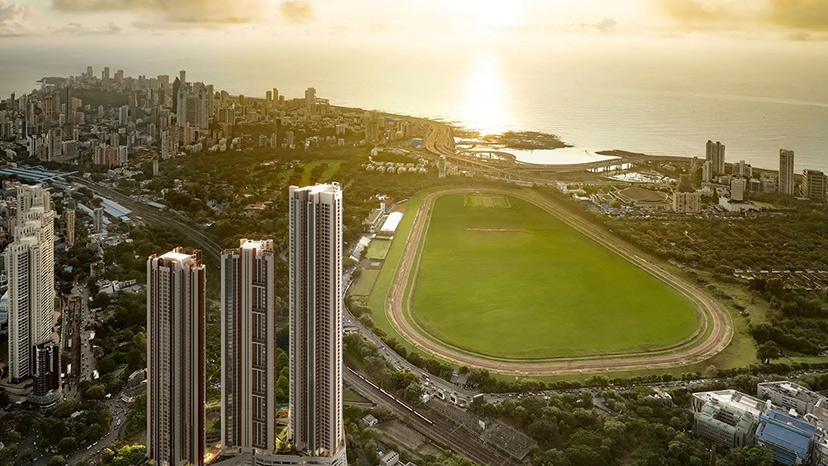
Green and open space proximity: In densely populated Mumbai, being close to a public park, botanical garden, racecourse, or significant green space is a permanent, valuable feature that commands a consistent premium. Piramal Aranya's location next to the 60-acre Rani Baug botanical garden in Byculla, along with Piramal Mahalaxmi's views of the Mahalaxmi Racecourse, are examples of valuable green proximity.
Supply constraint: In areas where buildable land is nearly exhausted, like South Mumbai, structural undersupply keeps prices steady, even with reduced demand. Micro-markets with large undeveloped land parcels face ongoing supply competition that can limit price increases.
Assessing a new project launch before the price list is released is a skill that develops over time. Buyers who consistently identify high-performing new launches in Mumbai and Thane engage in structured pre-launch evaluations. They verify the RERA track record, assess the micro-market against public registration data, check design and lender credentials, and form an independent price perspective before the sales team defines the terms. When applied consistently, this approach is the most dependable path to a property purchase that meets expectations.
Frequently Asked Questions
How do you evaluate a new residential project before the price list is out?➕
Check the developer's RERA track record, the micro-market's registration data and price trends, the project's design qualifications, and the construction lender before the price list is released. Pre-launch property evaluation checklist India: verify that RERA registration exists, check delivered projects for timely possession, visit a previous project, assess comparable pricing in the micro-market, and confirm a named institutional lender is involved. Form an opinion on the price before the developer informs you.
What should a buyer check about a developer before a new launch?➕
Three areas to check: the RERA complaints history of previous projects (searchable on maharera.mahaonline.gov.in), whether previous projects were completed on or near the promised possession date, and which institutional lenders financed these projects. A developer with no RERA complaints, on-schedule deliveries, and HDFC or ICICI Bank as a funding source has a lower risk profile than one without this history. Visiting a previous project and speaking to residents offers more insight than any brochure.
What is the importance of RERA registration in a new project launch?➕
RERA registration is the legal basis for any purchase of a new residential project. Without it, a developer cannot market, book, or collect payments. With it, the buyer receives a committed possession date (missing this incurs interest penalties for the developer), a construction escrow requirement, and quarterly progress updates. For new residential projects in Mumbai and Thane, always verify the MahaRERA registration number before making any booking payment.
What are the red flags in a new residential launch?➕
The most evident red flag is the lack of RERA registration at the time of booking. Others include high-pressure pre-launch tactics, the absence of a named institutional construction lender on the RERA page, discrepancies between the RERA-committed possession date and the sales team's stated possession date, and a track record of delayed possession across the developer's previous projects. Before buying a new launch property in India, check the developer's name against the RERA complaints database before signing any documentation.
How does the micro-market around a new launch affect long-term value?➕
A flat's long-term appreciation is primarily determined by its micro-market, including transit access, proximity to employment centres, closeness to green spaces, and supply constraints within 1 to 3 km of the project. To assess a new project before pricing is announced, conduct a micro-market assessment: check the past 3 years' price trends for the sub-district on RERA, verify whether a planned infrastructure project (e.g., a metro line or road) is genuinely under construction, and review the 12-month registration volume for exit liquidity.
Is a new launch project worth buying before the price list is released?➕
Yes, potentially. Pre-launch pricing often represents the best available rate for a project, and early buyers have the widest selection of units. But this is only the case if the project passes a thorough pre-launch evaluation: it is RERA-registered, the developer has a solid delivery history, micro-market fundamentals are sound, and the expected pricing is consistent with comparable properties. A new launch that does not meet this checklist does not warrant early investment, even if the pre-launch discount seems appealing.
Disclaimer - This article is based on the information publicly available for general use as well as reference links mentioned herein. The views expressed above are for informational purposes only based on industry reports and related news stories. Piramal Realty does not guarantee the accuracy, completeness, or reliability of the information and shall not be held responsible for any action taken based on the published information. Piramal Realty expressly disclaims/disowns any liability, which may arise due to any decision taken by any person/s basis the article hereof. Readers should obtain separate advice with respect to any particular information provided here in.