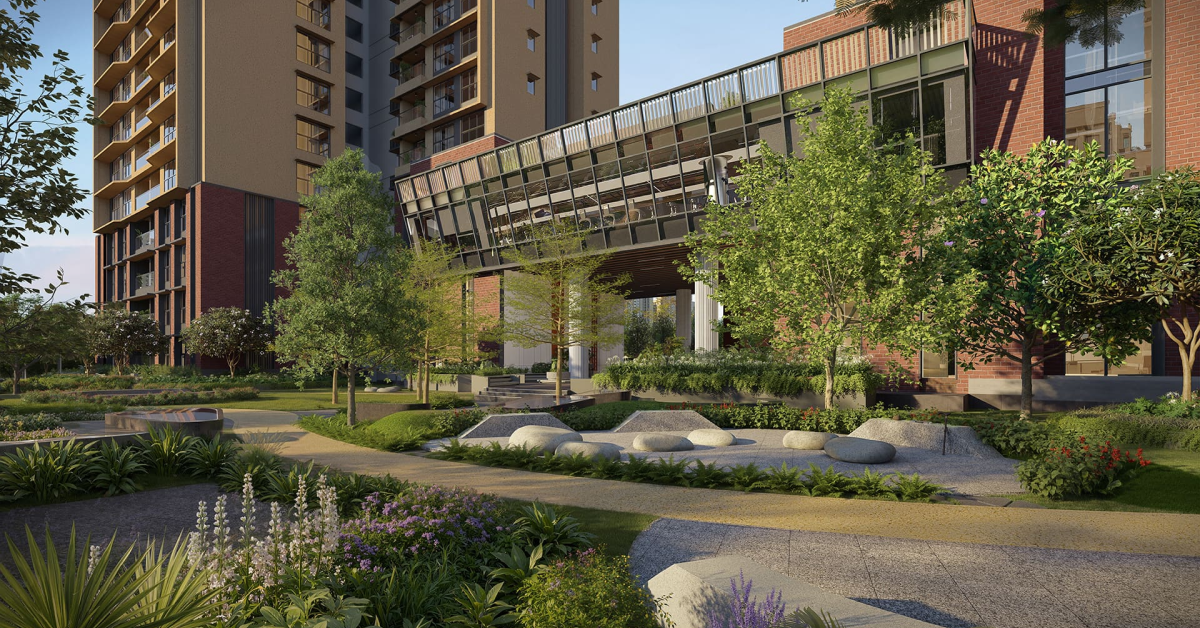
What is a Construction-Linked Payment Plan and How Does It Work?
The Construction-Linked Payment Plan (CLP) is a widely recommended payment structure for buyers of under-construction homes in India. Under this plan, payments are tied to specific construction milestones — such as foundation, superstructure, finishing, and possession. Each instalment is released only after an independent verification confirms that the milestone has been achieved, ensuring that buyers pay for actual progress rather than promises. For those taking a home loan, banks disburse funds in sync with the construction stages, which directly affects the buyer's EMI obligations and exposure to delays.
Compared to other structures, CLP offers greater protection. A down-payment plan requires a large upfront payment, often 80–90%, which carries higher risk if the project faces delays. A possession-linked plan defers most payments until possession, reducing risk but potentially creating a heavy financial burden at the end. CLP strikes a balance by spreading payments across verified stages, making it safer and more transparent.
That said, buyers should remain cautious. Even with CLP, construction delays can extend timelines and increase costs, while EMIs may begin before possession once banks start disbursements. Evaluating the developer's credibility is critical to minimise risks. Overall, CLP is popular because it aligns payments with progress, offers transparency through third-party checks, and is preferred by banks for loan disbursement — making it one of the most buyer-friendly payment structures in the market. This guide by Piramal Realty walks through how CLP works in practice.
What is a Construction-Linked Payment Plan in Real Estate?
A construction-linked payment plan (CLP) is a payment schedule for an under-construction property in which the buyer's instalments are linked to construction milestones. Unlike a time-linked plan, where you pay on fixed dates regardless of how much has been built, or a down-payment plan, where you pay most of the amount upfront, the CLP releases funds only when construction milestones are confirmed as complete.
In a real estate CLP, the Agreement for Sale between the buyer and developer includes a payment schedule that outlines each construction milestone — foundation, slab completion, superstructure, plastering, fit-outs and possession — and the percentage of the total flat price due at each stage. When the developer achieves a milestone, they send a payment demand to the buyer. If the buyer is using a home loan, the bank verifies the milestone through its technical officer before releasing the corresponding disbursement. The buyer pays GST on each instalment when making the payment.
The CLP is the leading payment structure for under-construction residential projects in India's premium segment. It connects buyer exposure to actual site progress, ensuring the buyer is not fully paid until the flat is physically ready. This gives the developer an incentive to keep construction progressing.
What Are the Construction Milestones in a Typical CLP Schedule?
The specific milestones in a CLP payment plan differ by developer, project type, and number of floors. A 12-storey building will have more slab-completion stages than a 6-storey one. However, the general structure follows a fairly consistent pattern across Indian real estate. The table below shows a typical CLP milestone schedule for a premium high-rise project.
Milestone
Typical % of Total
What It Signifies
Booking / Agreement
10–15%
Unit is reserved; Agreement for Sale executed
Foundation / Plinth completion
10–15%
Structural foundation work is complete below ground
Slab 1–2 completion
10%
Lower floors' structural concrete work is done
Each subsequent slab
5–10% per slab
Verified floor-by-floor as construction rises
Superstructure completion
10%
All structural work above ground level is complete
The percentages above are typical for premium project CLP structures. Exact milestone definitions and payment percentages vary by developer and project agreement. Always refer to the Agreement for Sale for the binding schedule.
Three points about CLP milestones in practice:
First, each milestone must be certified as complete before payment can be demanded. A developer cannot charge for a slab that is only 70% complete. Under RERA, the Agreement for Sale must outline the payment schedule. Section 13 prohibits collecting more than 10% of the property cost before the Agreement for Sale is registered. After that initial 10%, developers cannot ask for payments that fall outside the registered schedule defined in the Agreement for Sale. In a CLP, since the Agreement specifies milestone-based payments, no collection can be requested before the relevant milestone is certified. This protection is genuine, but it comes from the registered Agreement for Sale, not from a separate RERA rule on milestone certification.
Second, some CLPs include small time-based components alongside milestones. For example, a maintenance deposit might be due on a fixed date close to possession.
Third, GST at 5% is due on each instalment when it is raised, based on the taxable value after the one-third land deduction, rather than as a single upfront payment.
How Does a Bank Disburse a Home Loan Under a Construction-Linked Payment Plan?
When a buyer takes a home loan to fund a CLP purchase, the disbursement is made in tranches rather than a single lump sum. The bank does not release the complete loan amount at booking. Instead, it makes disbursements tied to each CLP milestone as the project progresses.
The process at each milestone:
The developer reaches a milestone and sends a payment demand to the buyer, outlining the amount due and the milestone achieved.
The buyer submits the demand letter to the bank along with a disbursement request.
The bank sends its technical officer to check that the claimed milestone is completed on site.
Upon technical clearance, the bank transfers the disbursement directly to the developer's designated project account as per the disbursement instruction — not to the buyer. The buyer does not handle the loan money physically.
The buyer's EMI responsibility grows with each disbursed tranche. Most banks charge 'pre-EMI' interest on the amount disbursed before the full loan is released.
Understanding how the EMI is calculated under this structure is important for financial planning. During the under-construction phase, most buyers pay pre-EMI interest on each disbursed tranche. If the sanctioned loan is ₹1 crore and ₹30 lakh has been disbursed so far, the monthly pre-EMI interest charge is around ₹22,500 (at 9% p.a.: ₹30 lakh × 9% ÷ 12). When the full loan is disbursed (usually at or near possession), it converts to full EMI — principal plus interest on the entire sanctioned amount. At ₹1 crore, 9% p.a., 20-year tenure, the full EMI would be about ₹89,973 per month.
Some banks offer an 'EMI from day one' option, which means full EMI from the first disbursement rather than pre-EMI. This speeds up principal repayment but raises interim cash outflow. For buyers with good cash flow, it lowers total interest paid over the loan period. For those managing tighter budgets during construction, the standard pre-EMI approach is better.
CLP vs Possession-Linked Plan vs Down-Payment Plan: Which Is Better?
The comparison between CLP and down-payment plans is one of the most practical decisions a buyer of an under-construction flat has to make. Each plan comes with a different risk profile, cash flow requirement, and financial outcome. The table below summarises the key differences.
Payment Plan Type
How It Works
Construction-Linked Plan (CLP)
Payments tied to verified construction milestones. EMIs start only on the disbursed amount. Exposure grows with project progress.
Possession-Linked Plan (PLP)
Buyer pays ~20% upfront; large balance (often 70–80%) due only at possession. Lower interim outgo but higher possession-stage burden.
Down Payment Plan
80–90% paid upfront at booking / early stages. A developer typically offers a price discount (3–8%). The buyer bears maximum financial risk if the project is delayed.
Time-Linked Plan
Payments on fixed calendar dates (monthly / quarterly) regardless of site progress. Can result in paying for unbuilt portions.
The best plan depends on the buyer's cash flow position, risk tolerance, the developer's reputation, and the project's current construction stage. There is no one-size-fits-all solution; buyers should evaluate their specific situations with a financial advisor.
The CLP is generally preferred for three reasons. First, it limits exposure — you only pay for what has been built. Second, banks like CLP projects for home loan disbursement because the milestone-linked verification process helps them manage their risk regarding construction quality and speed. Third, according to RERA, developers cannot collect more than 10% of a flat's cost without a registered Agreement for Sale. All collections must match construction progress as outlined in the registered project plan; this strongly favours milestone-based payment schedules.
The possession-linked plan appeals to investors and NRI buyers who want to minimise their interim outgo. However, the large balance due at possession can put cash flow under pressure if there are delays. This is because the buyer may be paying rent while saving for the final payment.
The down-payment plan offers a real price advantage — typically a 3–8% discount from the developer — but it puts all construction risk on the buyer. If a developer encounters financial trouble during construction, a buyer who has paid 80% upfront has less leverage than one who has paid 30% under a CLP structure with 70% still in reserve.
What Are the Risks of a Construction-Linked Payment Plan for a Homebuyer?
The CLP is the most buyer-friendly payment arrangement for under-construction properties, but it is not without risks. Here are the main risks buyers should be aware of:
Construction delay risk: If a developer misses milestones, CLP payments are withheld, which protects the buyer. However, delays still impact the buyer. Pre-EMI interest continues to accrue even if disbursements are paused, because the bank has already released earlier amounts. A buyer who has received two-thirds of their loan disbursed but is waiting for the final amounts still pays pre-EMI interest on the disbursed funds while their possession date is pushed back.
Developer financial distress: If a developer defaults during construction, recovering payments already made under the CLP can be difficult. RERA provides a legal path for redress, but the recovery can be slow and uncertain. The CLP offers some protection because it limits the amount already paid, which is less than it would be under a down-payment plan at the same stage of construction.
Milestone misrepresentation: In rare instances, developers may request milestone payments too early, claiming a slab is complete before it is actually finished. RERA requires quarterly progress updates, and banks conduct technical verifications, which reduce this risk but do not eliminate it. Buyers taking a home loan benefit from the bank's independent check, but self-funded buyers should perform their own site visits.
GST timing: Each CLP instalment incurs GST at the time of payment. The total GST liability of 5% on the taxable value of each demand is spread over multiple instalments over 2–4 years, rather than being paid in a single upfront sum. The total amount remains the same, but buyers need to budget for it with each milestone payment.
What happens to CLP payments if the developer delays construction? Under RERA, a developer who misses the promised possession date must pay interest to the buyer at the MCLR + 2% rate on all amounts paid until actual possession is offered. For projects like Piramal Mahalaxmi, Piramal Aranya, and Piramal Vaikunth, which are registered under MahaRERA, buyers have the statutory right to file a complaint if possession is delayed beyond the promised date. The RERA authority can then direct compensation or a refund.
The construction-linked payment plan aligns the financial interests of both buyers and developers in a way that no other payment structure does. Neither party carries full risk until the transaction is complete. For buyers of premium under-construction projects in Mumbai, whether using a home loan or self-funding, the CLP offers the best combination of protection, financial manageability, and regulatory support. It is crucial to understand your milestone schedule before signing the Agreement for Sale and to confirm that each stage matches a physical event on site rather than just a date — this is a key step in due diligence for any flat purchase.
Frequently Asked Questions
What is a construction-linked payment plan in real estate?➕
A construction-linked payment plan (CLP) is a payment schedule in which the buyer's instalments are tied to specific, verified construction milestones — such as foundation, slab completion, superstructure, finishing, and possession — rather than fixed calendar dates. Developers only raise payment demands when a milestone is certified as complete. The CLP limits buyer exposure by tying payments to actual site progress rather than the passage of time.
How does a bank disburse a home loan under a CLP plan?➕
In a construction-linked payment plan home loan, the bank disburses the approved amount in tranches rather than as a lump sum. Each tranche corresponds to a CLP milestone. When the developer makes a demand, the bank sends a technical officer to verify the milestone on site, then disburses funds directly to the developer's designated project account. The buyer pays pre-EMI interest on each disbursed tranche until the loan is fully disbursed and the EMI changes to complete.
How is the EMI calculated under a CLP home loan?➕
The calculation of EMI under a construction-linked payment plan depends on the disbursement stage. Before full disbursement, buyers pay 'pre-EMI' interest, which is interest only on the amount released so far. For example, if ₹30 lakh of a ₹1 crore loan is disbursed at an interest rate of 9% per annum, the monthly pre-EMI is ₹22,500. Once the full loan is disbursed near possession, the loan converts to full EMI based on the entire approved amount. For a ₹1 crore loan at 9% over 20 years, the full EMI is approximately ₹89,973 per month.
What is the difference between a CLP and a possession-linked plan?➕
A CLP payment plan pays out at each construction milestone; the buyer pays progressively as floors are built. A possession-linked plan (PLP) requires a small booking amount upfront and holds back most of the payment (often 70–80%) until possession is ready. A CLP distributes financial exposure across the construction period. In contrast, a PLP reduces interim expenses but creates a substantial payment demand at possession, which can coincide with rent and other costs if possession is delayed.
Is a CLP better than paying the full amount upfront?➕
For most buyers, yes. A down-payment plan offers a 3% to 8% developer discount for paying upfront, but it transfers all construction risk to the buyer. If the developer runs into financial trouble during construction, a buyer who has paid 80% upfront has few options and may face a long recovery process. With a CLP, the buyer keeps most of the funds until construction milestones are met. The RERA 70% escrow rule also limits the developer from using collected funds for other purposes.
What happens to my CLP payments if the developer delays construction?➕
The CLP structure automatically holds back future payments until the relevant milestone is reached, so unbuilt stages do not receive payment. However, pre-EMI interest on loan amounts already disbursed continues during delays. According to RERA, if a developer delays possession beyond the registered date, they must pay interest at MCLR + 2% on all amounts received. Buyers can file a MahaRERA complaint for compensation or a full refund. The 70% escrow requirement also means that the developer cannot freely access funds collected during a delay.
Disclaimer — This blog is for informational purposes only and does not provide legal, financial, or investment advice. CLP structures, milestone definitions, payment percentages, EMI calculations, and RERA provisions described are for illustrative purposes and may vary by developer, project, and applicable regulations. Confirm all payment terms with your developer, home loan lender, and legal or financial advisor before completing any property transaction. Piramal Mahalaxmi MahaRERA Nos: P51900016482, P51900021057, P51900015854. Piramal Aranya MahaRERA Nos: Wing A – P51900003324, Wing B – P51900018039, Wing C – P51900020330, Ahan II – P51900051735. Piramal Vaikunth MahaRERA Nos: Cluster 1 – P51700003535, Cluster 2 – P51700003793, Cluster 3 T1 – P51700024023, Cluster 3 T2 – P51700024580, Cluster 4 – P51700003283, Cluster 4A – P51700005256. Visit maharera.maharashtra.gov.in for details.