Date: 07 October, 2026 Author: Team Piramal Realty
Byculla, Mazgaon or Worli: An NRI's Guide to South Mumbai
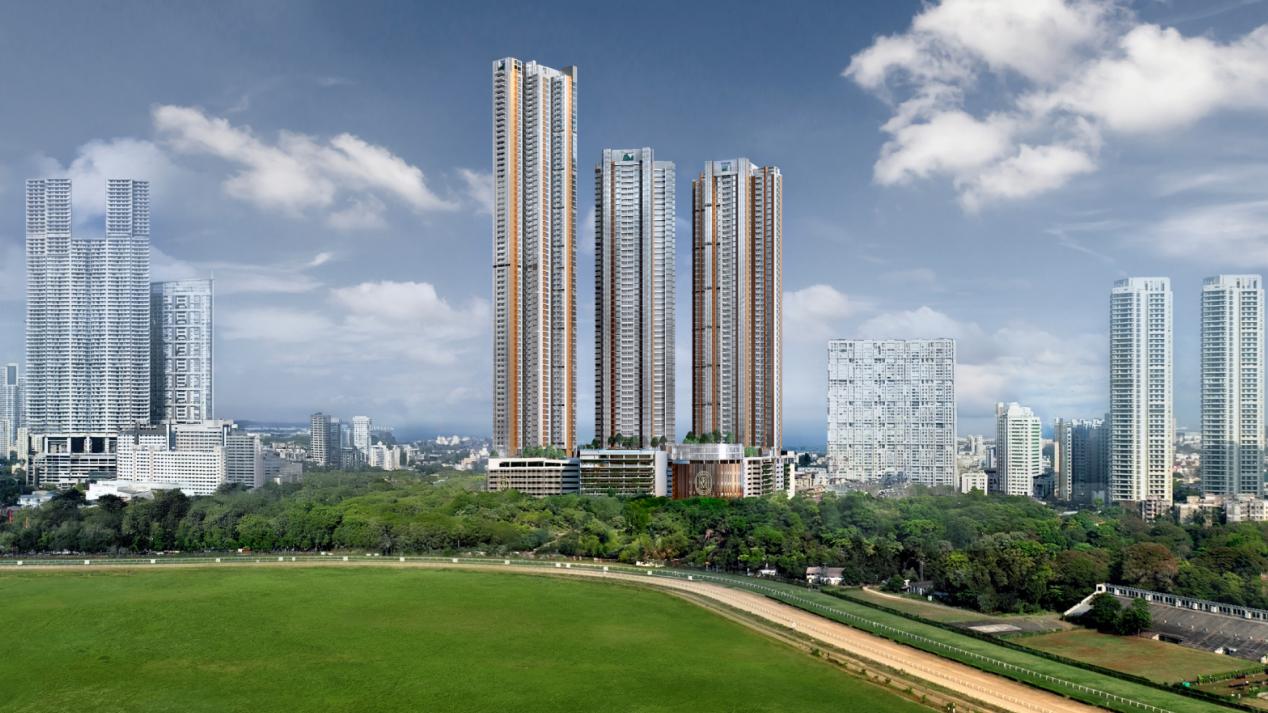
South Mumbai is often spoken of as one address, yet each neighbourhood offers distinctly different ways of living. Byculla blends heritage charm with emerging luxury developments, Mazgaon retains a quieter residential character shaped by its established community fabric, while Worli has evolved into one of the city's most contemporary waterfront propositions. For an NRI evaluating a home from afar, understanding the nuances is just as important as comparing price points, floor plans, or square footage.
Piramal Realty's presence in South Mumbai is anchored by Piramal Aranya in Byculla, giving us a direct understanding of how this part of the city is evolving. For an NRI considering property in South Mumbai from abroad, however, the decision extends beyond the project itself. Byculla, Mazgaon and Worli each offer a distinctly different residential proposition, and choosing between them also means understanding the regulatory, financial and documentation requirements that shape an NRI property purchase in India.
Byculla, Mazgaon and Worli: Three Different South Mumbai Propositions
These three South Mumbai neighbourhoods lie within a few kilometres of one another, yet each offers a distinctly different residential proposition. Byculla has undergone significant transformation over the past decade, with redevelopment replacing older mill lands and low-rise precincts with planned residential communities around Rani Baug and the Eastern Harbour. Mazgaon, in contrast, retains a quieter, more established character shaped by its maritime heritage, tree-lined streets, and colonial-era architecture, with relatively limited new housing supply. Worli represents a different stage of evolution altogether: a mature, high-density district defined by its waterfront setting, proximity to the Bandra-Worli Sea Link and Coastal Road, and a skyline where new development typically takes the form of landmark towers rather than precinct-wide redevelopment. For homebuyers, particularly NRIs, these differences influence everything from lifestyle and neighbourhood character to future growth potential.
| Area | Character | What Stands Out |
|---|
| Byculla | Redevelopment-led growth around Rani Baug and the Eastern Harbour, with new residential supply still emerging | Newer residential development alongside an established South Mumbai neighbourhood |
| Mazgaon | A quieter, more established pocket shaped by its port and colonial-era heritage, with limited new residential supply | Heritage character and a comparatively lower volume of new residential development |
| Worli | A mature, high-density address with direct sea frontage, the Sea Link and the Coastal Road | Established residential development supported by major road infrastructure and direct sea frontage |
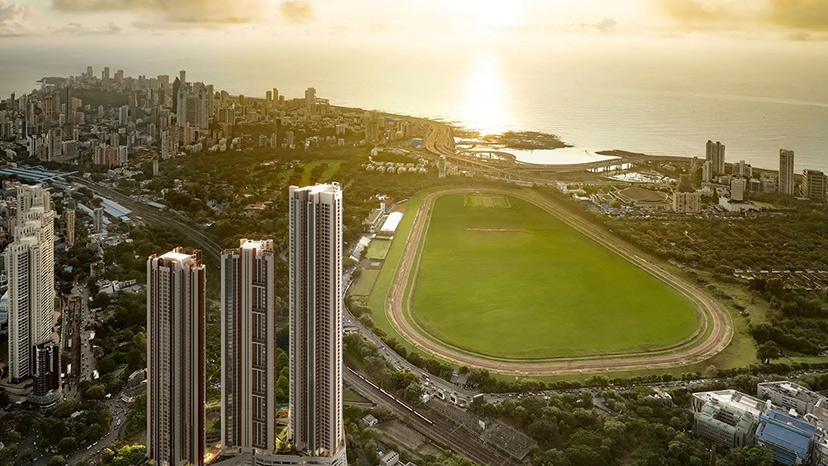
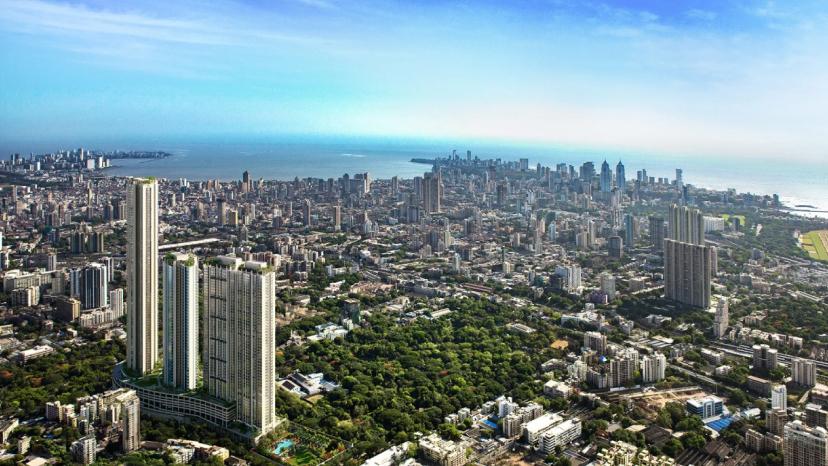
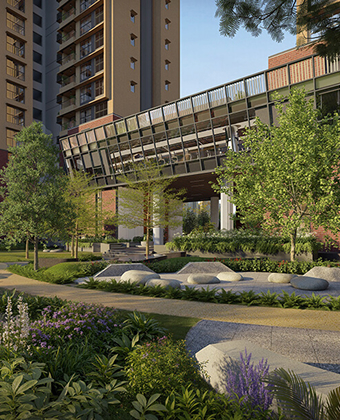
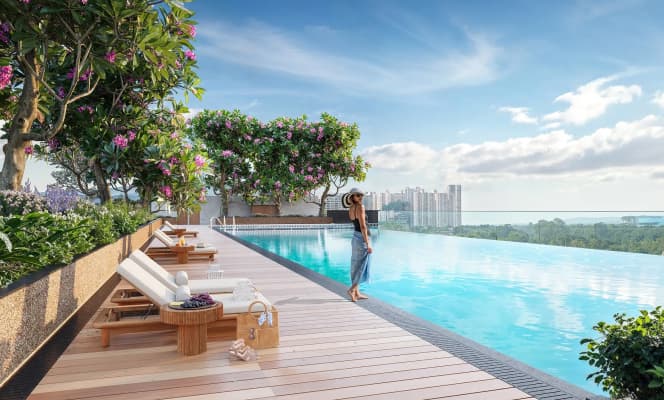
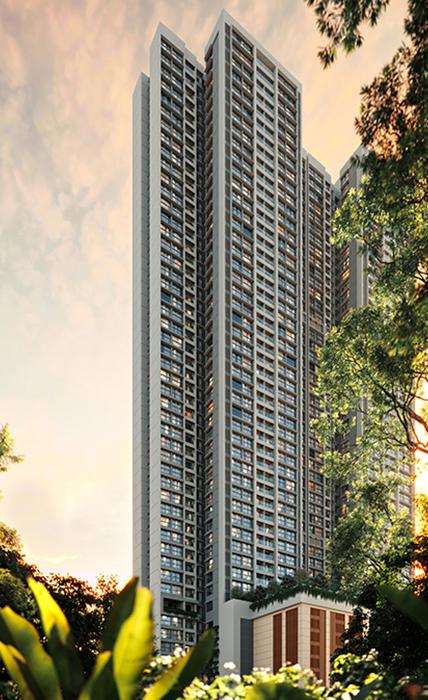
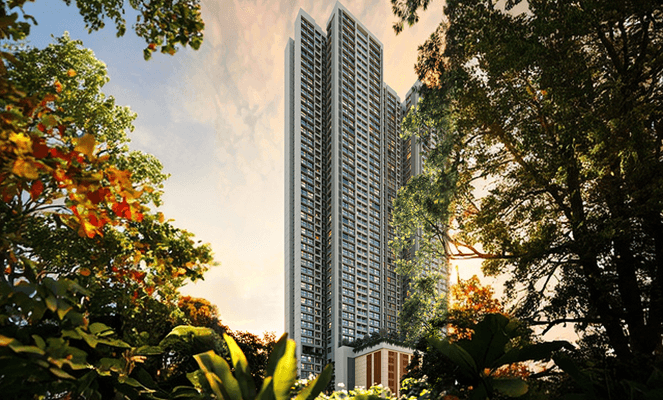
Byculla's residential character is increasingly being shaped by newer developments emerging alongside its established neighbourhoods and green landmarks. Piramal Aranya reflects this evolution, with its location overlooking Rani Baug and the Eastern Harbour and its contemporary residential towers contributing to the newer housing taking shape in the area.
Which South Mumbai Addresses Balance Luxury and Connectivity?
Metro Line 3 is now fully operational at all 27 stations between Aarey and Cuffe Parade, passing through Worli and Mahalaxmi and providing South Mumbai's stretch between those points with a real underground rail connection that Byculla and Mazgaon do not yet have directly. Byculla combines suburban rail access with strong road connections across South Mumbai and towards the eastern side of the metropolitan region. From Piramal Aranya, the Eastern Freeway is approximately 2 km away and Atal Setu about 3 km away, opening a more direct route towards Navi Mumbai and JNPT. Lower Parel Business District is also around 4.8 km away, while Nariman Point is approximately 8.2 km away, both of which are more important for someone commuting to Navi Mumbai than to BKC.
For an NRI assessing these locations remotely, the more useful comparison is not which area is better connected overall, but how each one connects to different parts of the city. Worli has a more extensive transit network and stronger access to the western and central corridors, while Byculla and Mazgaon offer convenient road access and proximity to South Mumbai's traditional commercial districts. The right choice therefore depends on the routes and destinations that matter most to the buyer.
Which South Mumbai Addresses Hold Strong Investment Potential?
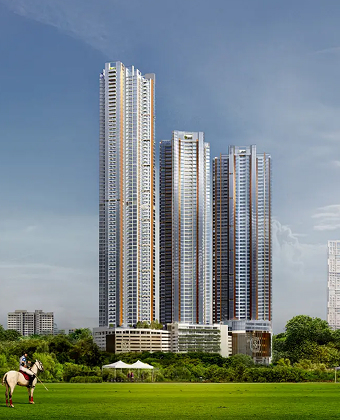
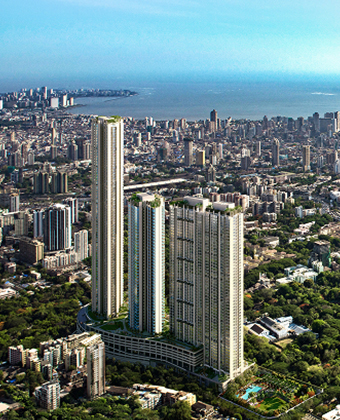
Byculla is seeing continued residential redevelopment, with newer high-rise developments emerging alongside its established heritage and green landmarks. Piramal Aranya reflects this changing residential character through a luxury high-rise development spread across approximately 7 acres, adjacent to the approximately 60-acre Rani Baug. The development includes Avyan, Arav, Ahan and Ahan II, with residences oriented towards views of Rani Baug, the Eastern Harbour and the cityscape.
For an NRI investor considering residential projects in South Mumbai, Byculla's continuing redevelopment offers the opportunity to evaluate newer residential options, with access to a location that continues to evolve while retaining its strong heritage and connectivity.
In the South Mumbai area, where should an NRI investor direct their focus?
For an NRI investor, the more useful question is not which of these addresses carries the strongest reputation, but which one aligns most closely with the kind of property and location they are looking for. Investors focused on long-term appreciation, along with newer buildings and modern specifications, have a valid reason to consider Byculla. Similarly, an investor aiming for an established area with strong public transport links and steady rental demand also has good grounds to consider Worli. Mazgaon, on the other hand, suits a particular type of buyer drawn to heritage character rather than the scale of new developments and willing to accept far less availability.
Seen together, Byculla, Worli and Mazgaon are not competing versions of the same proposition. Each represents a different way to approach a South Mumbai investment, and the right choice depends on the investor's time horizon and priorities, not on which area is currently most talked about.
A Complete NRI Real Estate Investment Checklist for India
The process of buying property in India as a non-resident Indian is, in fact, very simple once you understand the regulatory framework, since it is based on a set of rules which a local buyer never needs to consider. The following is what actually regulates the transaction.
- Eligibility to purchase: NRIs and OCIs may purchase residential and commercial property in India under the FEMA framework without prior RBI approval. Agricultural land, farmhouses and plantation property are not covered by this general permission for purchase, although such property may be acquired in certain circumstances such as inheritance. (https://rbi.org.in/Scripts/FAQs.aspx?Id=117&fn=5)
- Payment for the property: Payment should be made through permitted banking channels, either by inward remittance from abroad or from funds held in an NRE, FCNR(B) or NRO account. RBI rules do not permit payment through travellers' cheques, foreign currency notes or other modes outside those specifically permitted. (https://rbi.org.in/Scripts/BS_ViewMasDirections.aspx?id=10196)
- NRE and NRO accounts: Funds in an NRE account are generally repatriable, and income earned in the account is exempt from Indian income tax subject to the applicable conditions. NRO accounts are commonly used for legitimate dues and income in India; while current income may be remitted subject to applicable requirements, repatriation of NRO balances is generally subject to the RBI's USD 1 million per financial year facility and prescribed conditions. (https://m.rbi.org.in/commonman/English/Scripts/FAQs.aspx?Id=3)
- Power of Attorney: An NRI who cannot be present in India may authorise a representative through a Power of Attorney. A POA executed abroad should be completed in accordance with the applicable authentication requirements; documents apostilled in a Hague Convention country are recognised in India without further legalisation. The document should also be checked for any stamping, adjudication or registration requirements applicable in the state where the property transaction takes place.
- Tax on rental income: Where rent is paid to a non-resident landlord and the payment is taxable in India, the payer is required to deduct TDS under Section 195 of the Income-tax Act at the applicable rate. Because the applicable rate can depend on the taxpayer's circumstances, treaty provisions and any lower- or nil-deduction certificate, it is better not to state a single "default" rate in the article. (https://www.incometaxindia.gov.in/w/section-197-64)
- Repatriation of sale proceeds: An NRI can repatriate sale proceeds from residential property outside India, subject to FEMA rules. If the property was purchased using foreign exchange remitted through banking channels or funds from an NRE or FCNR(B) account, repatriation is permitted up to the amount originally paid through those sources. For residential property, this facility is limited to the sale of two properties. Any eligible balance may generally be credited to an NRO account and remitted under the USD 1 million per financial year facility, subject to applicable conditions and documentation. (https://www.rbi.org.in/scripts/NotificationUser.aspx?Id=9892)
What to Verify Before an NRI Purchase in South Mumbai
- Make sure that the project is registered with MahaRERA on the MahaCRITI portal itself, so that its registration details can be verified directly from the official record.
- Work with a bank and a chartered accountant who are familiar with NRI property transactions, particularly the rules governing payments, taxation and repatriation.
- If a Power of Attorney is being used, have the document reviewed by an Indian property lawyer before execution to ensure that it is appropriately drafted for the transaction.
- Review the developer's delivery track record across previous projects, especially when evaluating the purchase remotely and when an in-person visit to completed developments may not be possible.
Frequently Asked Questions
Which area is best for living in South Mumbai?➕No one solution applies to all buyers; Byculla suits people who prioritise modern buildings and ongoing redevelopment, Worli suits those who value a well-established address with good transit access, and Mazgaon suits buyers who prefer heritage character over the scale of new construction.
How can a non-resident Indian (NRI) invest in real property in India?➕When you purchase residential or commercial property through an NRE, NRO, or FCNR account, or by making a direct inward remittance through formal banking channels, agricultural land, farmhouses, and plantation property remain prohibited unless you have specific RBI approval.
What South Mumbai areas have the best infrastructure?➕Worli currently has the best transit access, as it sits on the fully operational Metro Line 3 corridor, along with the Sea Link and the Coastal Road. Byculla and Mazgaon, by contrast, depend more on suburban rail and road links, such as the Eastern Freeway and the Atal Setu near Byculla.
Can non-resident Indians purchase property in India?➕Non-resident Indians may buy residential and commercial property without restrictions, but for agricultural land, farmhouses, and plantation property, they need specific RBI approval, which is rarely granted.
Is Piramal Aranya a good choice for real estate buyers who are residents of another country in Byculla?➕Piramal Aranya has already completed and is offering two towers, Avyan and Arav, to NRI buyers, while two others are still underway, so an investor based in Byculla can view completed units in person and also access a project that still has scope for expansion. For up-to-date information on availability, contact Piramal Realty's NRI desk.
Disclaimer - This article is based on the information publicly available for general use as well as reference links mentioned herein. The views expressed above are for informational purposes only based on industry reports and related news stories. Piramal Realty does not guarantee the accuracy, completeness, or reliability of the information and shall not be held responsible for any action taken based on the published information. Piramal Realty expressly disclaims/disowns any liability, which may arise due to any decision taken by any person/s basis the article hereof. Readers should obtain separate advice with respect to any particular information provided here in.