Byculla in 2026: How the Neighbourhood Has Changed and What It Looks Like Now
There is a certain kind of Mumbaikar who has always called Byculla home and has no desire to leave. The neighbourhood carries an identity that’s different from other parts of the city. It feels older, denser, and more layered with history. It's not Colaba, Worli, or Lower Parel. It’s something harder to define, and because of that, it feels uniquely its own.
By 2026, the city has started paying more attention to Byculla. Infrastructure projects that were once on paper has started taking shape. For a generation of buyers who grew up in this part of South Mumbai, the realization was profound, they could finally find a home that matches their current lifestyle within few kilometres from where they were born. This guide by Piramal Realty's examines what Byculla is today, what it is becoming, and why properties here are being taken more seriously than they were five years ago.
What Byculla Looks Like in 2026 Compared to Five Years Ago
Byculla in 2026 feels meaningfully different from the neighbourhood from what it was five years ago. Better connected, supported by new residential developments, and finally recognized as a luxury address. The area has always carried its own strong character, the Byculla zoo, the old wholesale markets, and the busy streets near the Byculla railway station. But the idea of a high-end residential area being located here felt unrealistic.
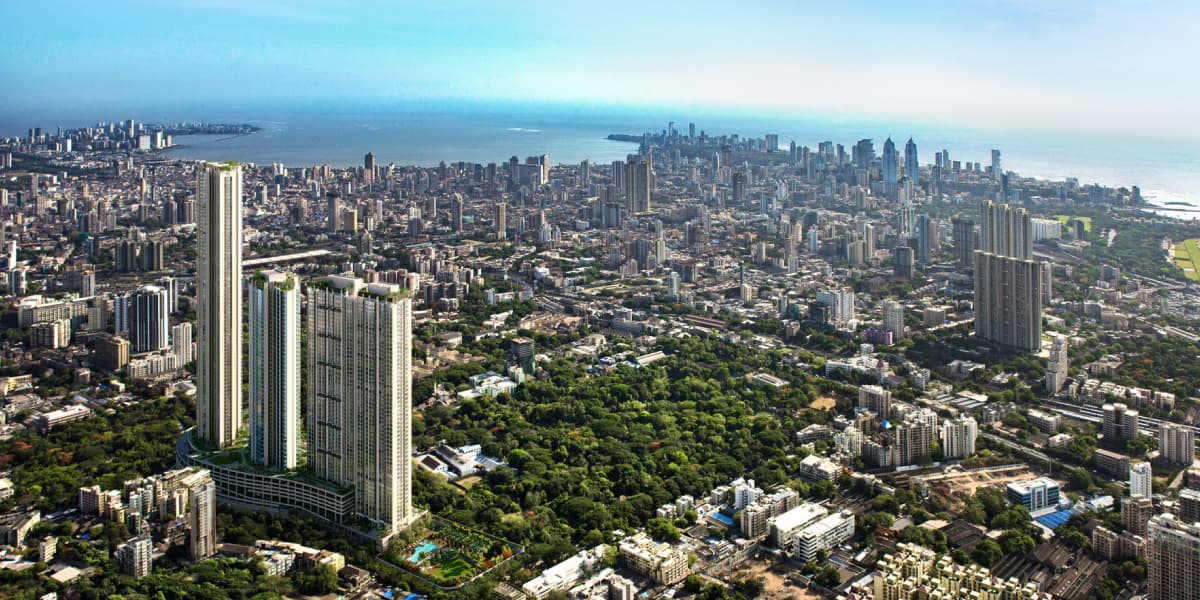
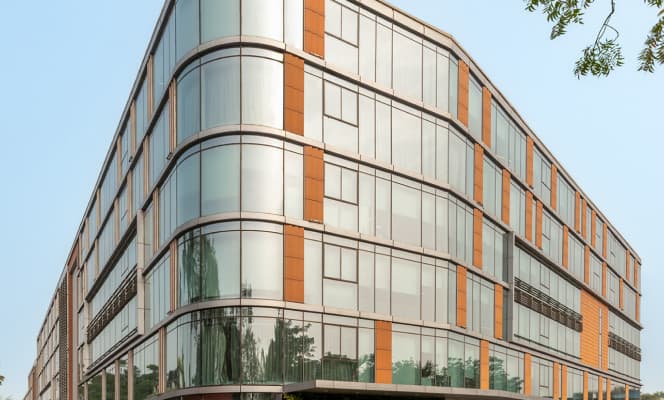
Today, that description is simply true. While the older buildings that characterise much of Byculla remain, new developments have appeared. Towers that weren’t there five years ago now shape the skyline. The area around Rani Baug is finally attracting developer interest it truly deserves.
Daily life has also changed. Byculla still has its markets, strong community ties, and long-standing places of worship. But the restaurants have improved. The roads are better. The feeling that the area was stuck in the past has faded, replaced by a neighbourhood that is finding its next chapter while still honouring its rich history.
How the Eastern Waterfront Project Is Reshaping Byculla
The Eastern Waterfront Mumbai is the kind of infrastructure project that takes a long time to fully understand and even longer to see come alive. However, in 2026, its significance for Byculla is becoming clear in how the area is being planned.
The proposed development covers 966.3 hectares along the eastern shore of Mumbai. This includes dockyard land that has been inaccessible to the city for over a century. Among this plan, what some call Marine Drive 2.0 will extend along the east coast, doubling the length of the original Queen's Necklace on the west. The project aims for 62% open spaces, tourist-friendly public facilities, and a reconnection of this part of the city to the waterfront it has always technically had but never accessed.
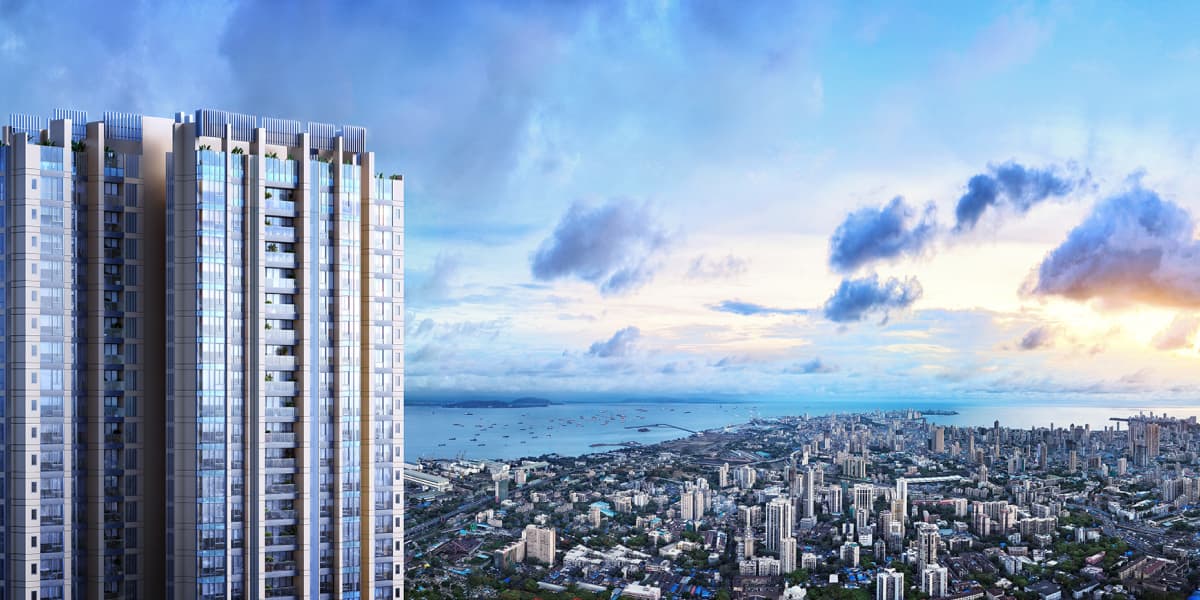
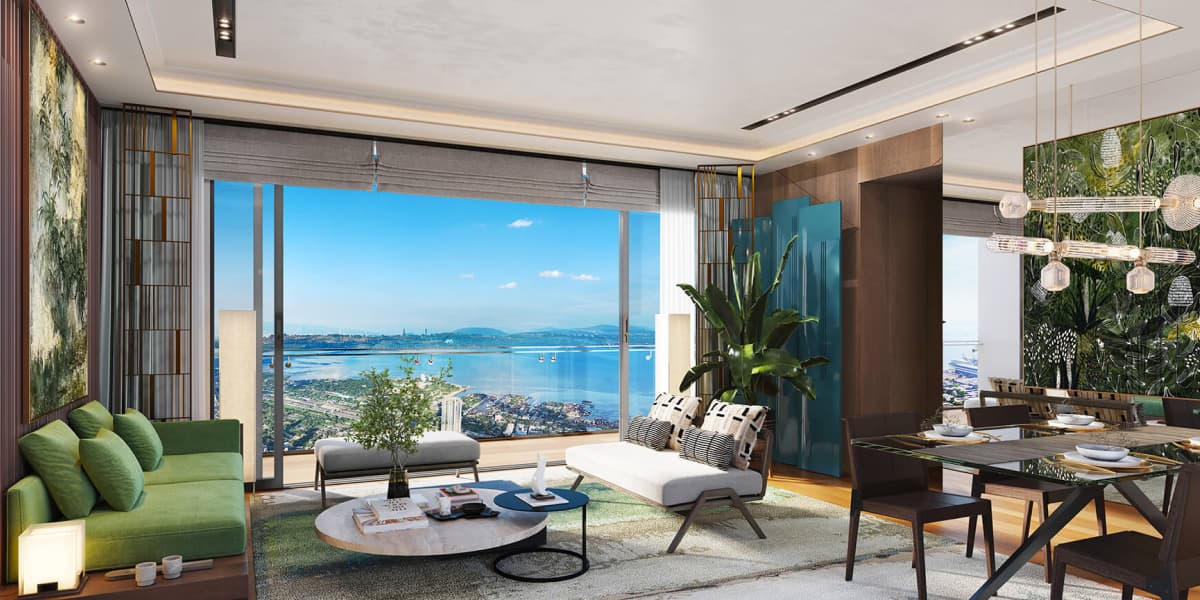
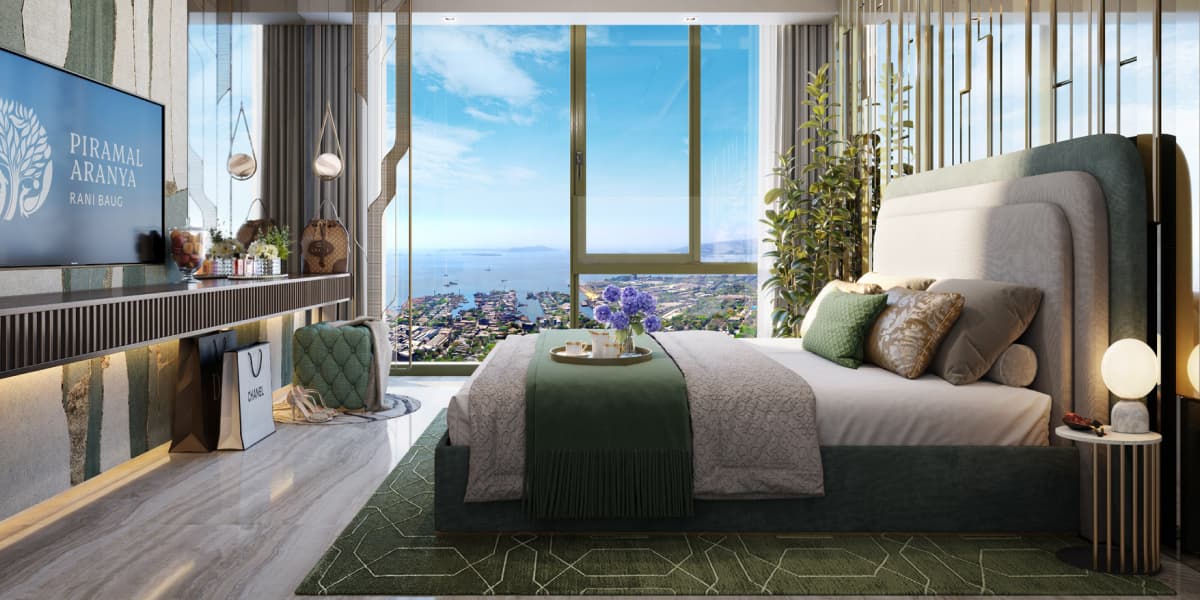
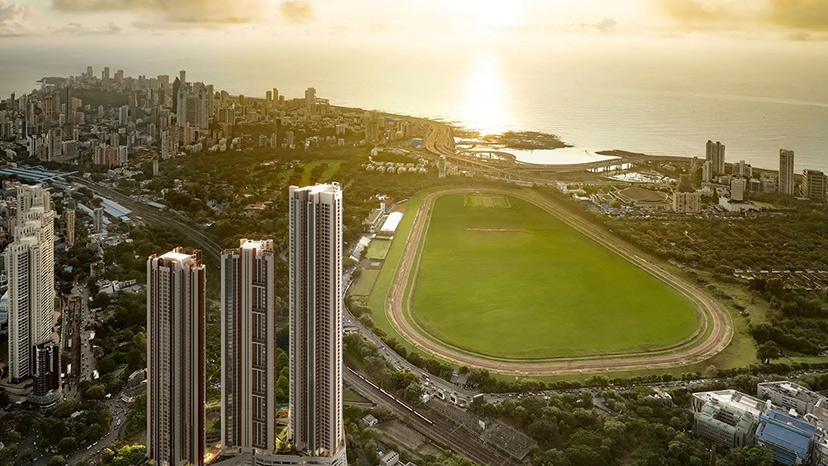
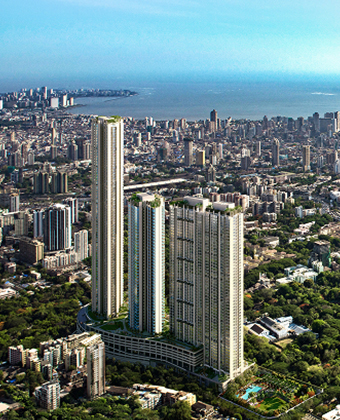
Byculla is next to where much of this transformation will take place. Piramal Aranya, located adjacent to both Rani Baug Botanical Gardens and the Eastern Harbour, is well-positioned to benefit from this plan. Selected apartments already have views of the harbour. As the Eastern Waterfront project develops, the value of those views will likely increase.
The Mumbai Trans-Harbour Sea Link, which connects Mumbai's eastern side to Navi Mumbai, is already open. For a neighbourhood like Byculla, deeply embedded in South Mumbai, this adds better connectivity, enhancing both commuting and overall accessibility throughout the metropolitan area.
Byculla's Connectivity to the Rest of Mumbai
Byculla, Mumbai is far better connected than most buyers realise. By road, the Lower Parel business district is 4.8 kilometres away and Nariman Point is 8.2 kilometres. The Eastern Freeway, accessible from the neighbourhood, has significantly reduced travel times to BKC and the eastern suburbs. The Atal Setu is approximately 3 kilometres from Piramal Aranya, Byculla project, adding a direct connection between South Mumbai and Navi Mumbai that did not exist a few years ago. Add to thatthe JJ Flyover, offer quick access into the heart of the city. For residents who drive or are driven, Byculla sits at the centre of everything.
For those who use rail, Byculla railway station is on the Central Main Line with direct access to Churchgate, CST, Dadar, and Thane.
For a family with children in school, a professional needing quick access to a hospital, or a business owner with suppliers across South Mumbai and the eastern suburbs, this neighbourhood is genuinely practical. Living here does not require rethinking how you move around the city.
Community, Culture and Charm of Byculla
For those who have lived in Byculla for thirty years, none of the changes mentioned above has come at the cost of what made the neighbourhood worth staying in. This is important to note because that is not always true in parts of Mumbai receiving similar attention.
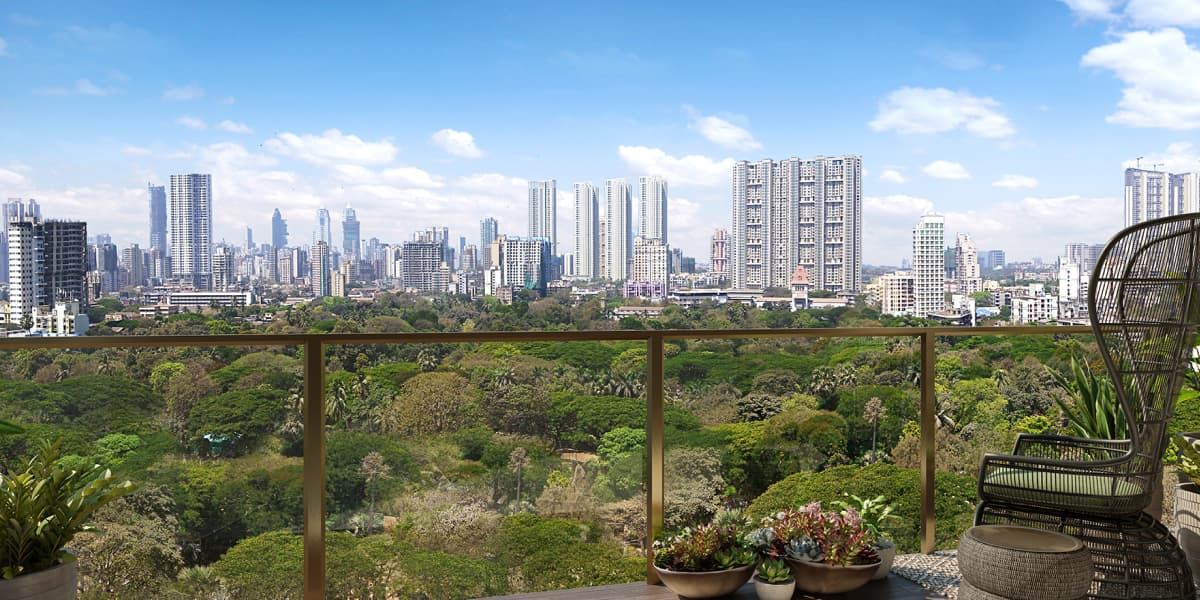
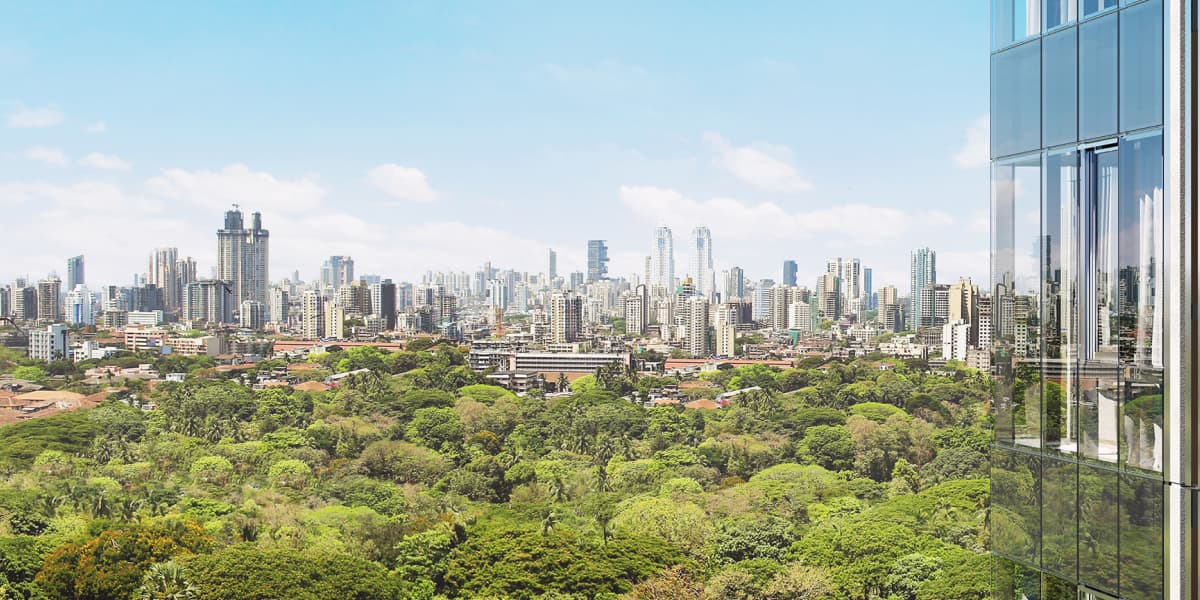
Rani Baug, home to the Byculla Zoo, still anchors the western edge of the area. The roughly 60-acre botanical garden, one of the oldest in the country, adds a rare touch of greenery to Byculla. Each morning, you can walk a route that takes you past ancient trees, heritage buildings, and the sounds of birds, oblivious to being in one of the world’s most densely populated cities. This feature wasn't created; it has always existed and continues to exist.
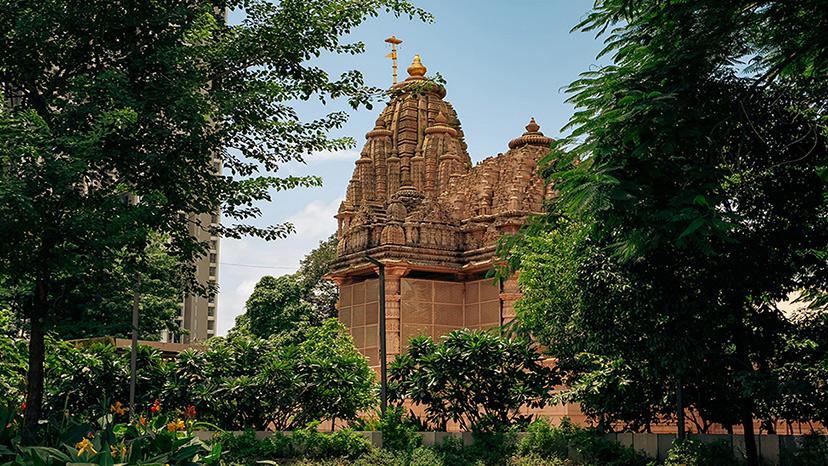
The places of worship in and around Byculla reflect a rich diversity of faith across many communities, which is rare in the city. The Mevawala Parsi fire temple, the Magen David Synagogue, Gloria Church, the Hasnabad Dargah, and the Sheth Motisha Adheshwarji Jain temple are all within walking distance. Despite what outsiders sometimes assume, particularly around Nagpada and Mohammad Ali Road, the reality is more cosmopolitan.
The market culture has also stayed strong. The wholesale trade that has thrived in this part of the city for generations continues to prosper. The sense of a neighbourhood bustling with genuine commerce and economic life, rather than just residential density, gives Byculla its unique texture. It is authentic; it doesn't feel like a sanitised version of old Mumbai.
What Residential Development in Byculla Looks Like Today
For much of its recent past, Byculla never truly had a luxury residential market. The older housing stock consisted of well-located but often poorly maintained buildings. Developers who recognised the area's potential were slow to respond.
That is changing. New projects in Byculla over the past several years, along with those in the pipeline, indicate a significant shift in how the area is viewed. Buyers who once considered Worli or Parel are now looking at Byculla, drawn by the meaningful price difference and the unique offerings of green space, community character, and connectivity that those markets can’t easily replicate.
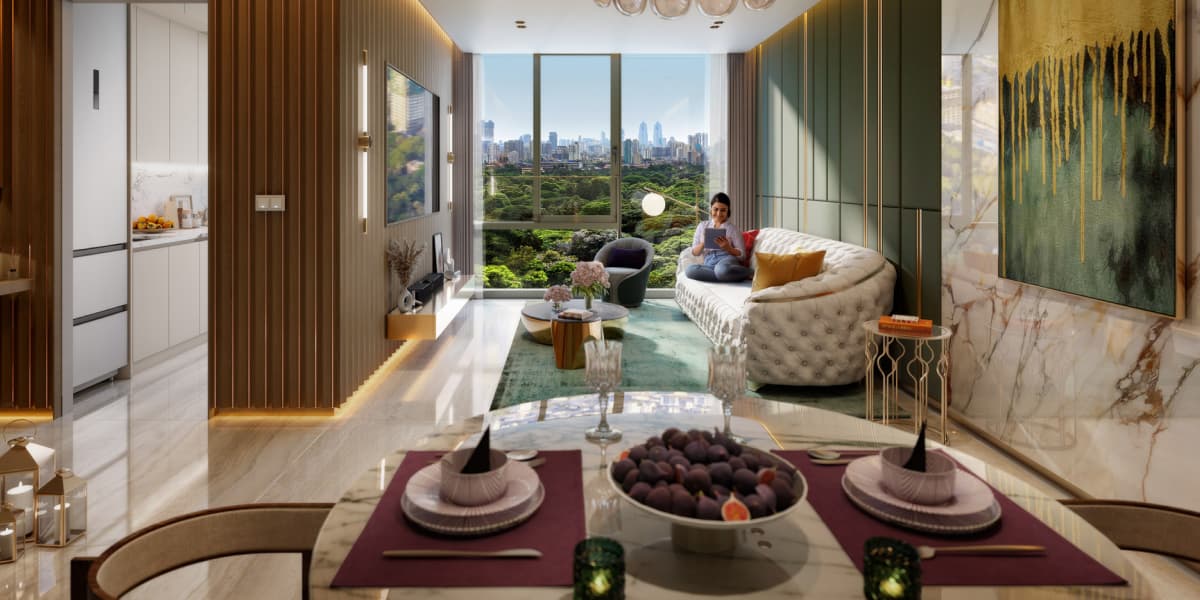
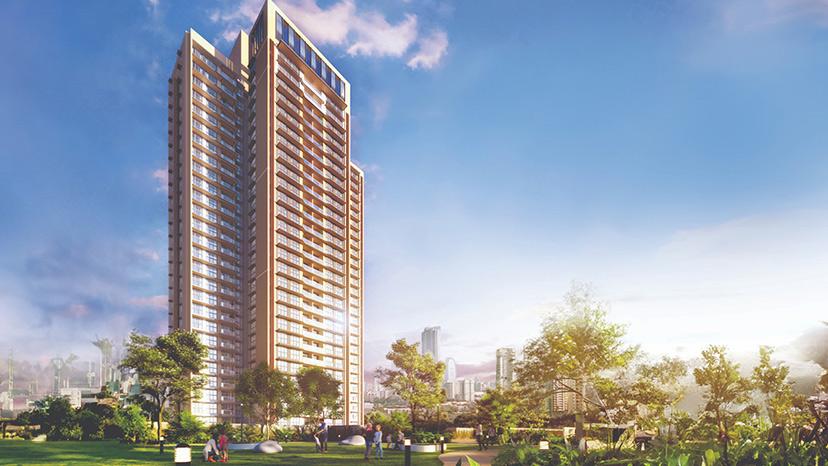
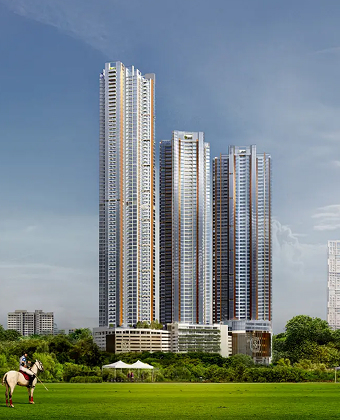
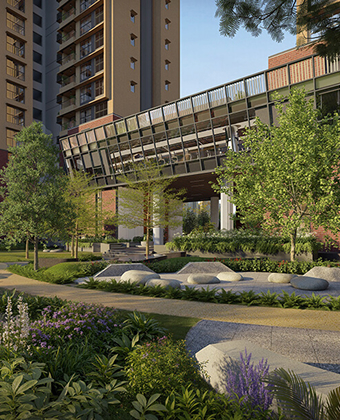
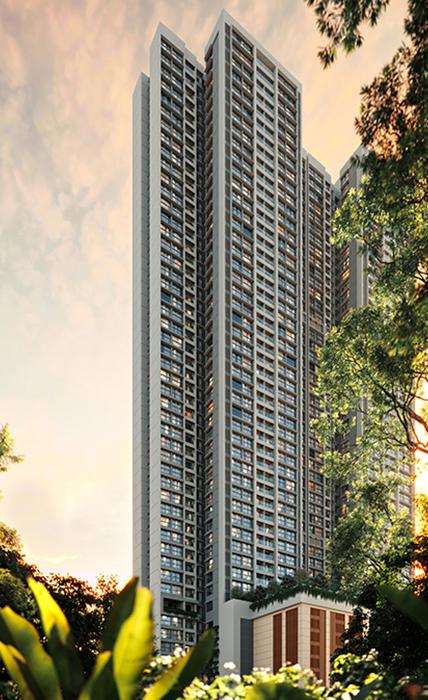
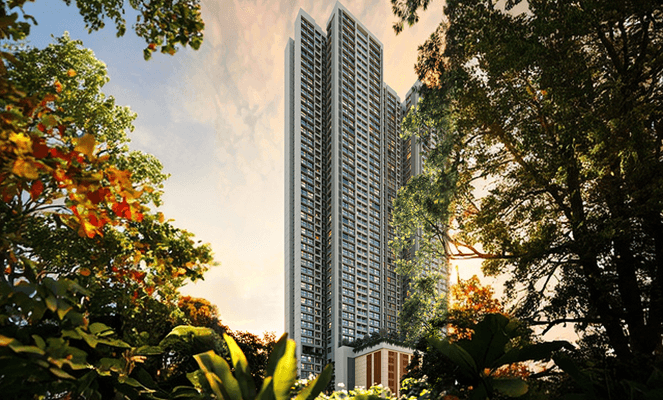
The project that has gained the most attention is Piramal Aranya, a luxury high-rise on about 7 acres next to the Rani Baug botanical garden. Its three towers, Avyan, Arav, and Ahan, offer luxury apartments in Byculla across 2 BHK, 3 BHK, 4 BHK, and 5-bedroom apartments. These designs cater to how families in this area actually live, rather than fitting a buyer profile from elsewhere.
Piramal Aranya is located at a key point for connectivity and activity in South Mumbai. The site is accessible from three directions. The Rani Baug botanical gardens lie directly to one side, 60 acres of green that very few addresses in Mumbai can claim. On the other side, the Eastern Harbour offers a waterfront view that very few places in Mumbai can match.
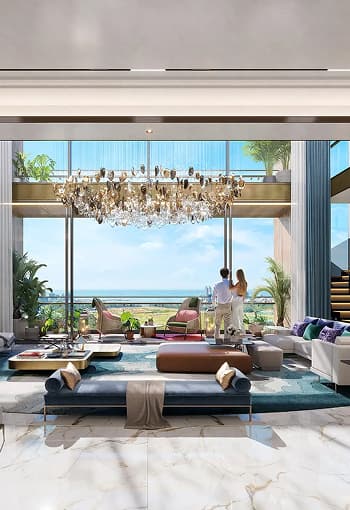
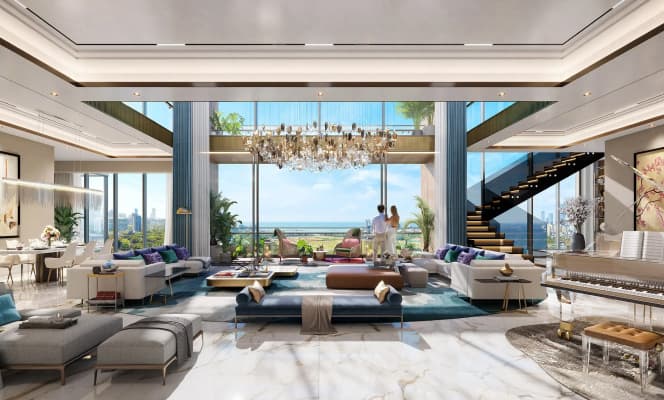
The towers Avyan, Arav, and Ahan are designed to make the most of these two perspectives. Many apartments feature dual-aspect layouts that capture light and views from multiple sides. Floor-to-floor heights reach up to 3.6 metres in select residences, and master bedrooms feature L-shaped corner windows.
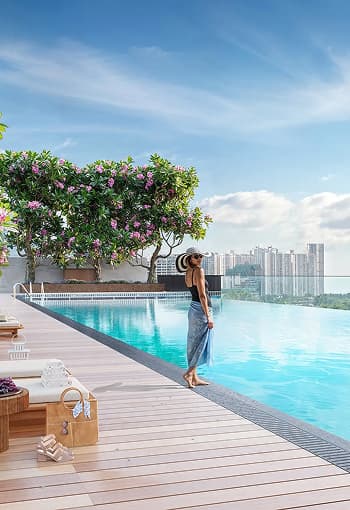
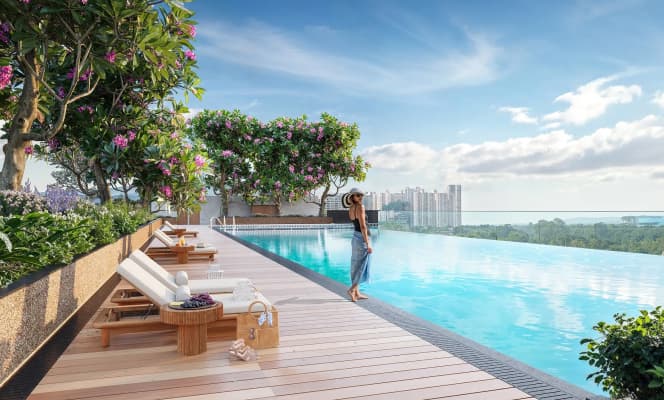
The amenities at Piramal Aranya cover over 1 lakh square feet, more than 9,290 square meters of recreational space. There are more than 40 amenities and facilities, including three swimming pools, one being a 50-meter lap pool and a separate kids' pool. Additional features include dedicated yoga zones, a spa and steam room, jogging tracks, event lawns, and sports facilities. Each tower also offers exclusive amenities not shared with the rest of the development, allowing residents to enjoy community spaces without the congestion that often comes with a single shared facility for thousands.
The same places of worship that define the neighbourhood's character are within easy walking distance. Masina Hospital is 1.2 kilometres away and St. Mary's School is 1.9 kilometres away.
Is Now a Good Time to Buy a Flat in Byculla?
For those closely watching Byculla over the last two to three years, the question is less about whether now is a good time and more about whether the moment they were waiting for has already passed.
As the Eastern Waterfront development moves from proposal to reality, it will add value to this part of South Mumbai. It’s hard to price this value now because it hasn't fully arrived yet. Large infrastructure projects often change the value of nearby neighbourhoods. Byculla is one of those neighbourhoods. The Eastern Freeway has improved commutes considerably.
Property prices in Byculla have changed, but a significant gap remains between what this part of South Mumbai costs and what similar locations on the western side cost. This gap typically narrows as infrastructure develops, community perceptions improve, and the supply of quality residential options increases. All three of these factors are occurring simultaneously in Byculla right now.
Frequently Asked Questions
Is Byculla a good place to live in 2026?➕
Yes, and it has become a stronger choice than it has been in years. The neighbourhood has maintained its community feel, cultural richness, and green spaces while genuinely improving infrastructure, connectivity, and residential quality. Byculla in 2026 represents a neighbourhood undergoing a thoughtful upgrade, not chaos.
Why is Byculla becoming popular for luxury housing?➕
Three factors are driving this trend: its proximity to Rani Baug's unique 60-acre botanical garden; the Eastern Waterfront development, which is starting to reshape the eastern shore of South Mumbai; and the entry of reputable developers offering quality options in a market that previously lacked them. Piramal Aranya is a prime example of this.
Is Byculla still considered South Mumbai?➕
Yes. Byculla is definitely within South Mumbai and has historically been part of it. What has changed is that it is now taken as seriously as the more well-known areas of South Mumbai. The location has always been right; now, the residential options match it.
How connected is Byculla to the rest of Mumbai?➕
Very well connected. Byculla railway station is on the Central Main Line. The Eastern Freeway provides quick road access to BKC and the eastern suburbs. Lower Parel is 4.8 kilometres away, and Nariman Point is 8.2 kilometres away. Masina Hospital is just 1.2 kilometres from Piramal Aranya.
How far is Byculla from Lower Parel?➕
It is about 4.8 kilometres, making it a short road trip or a direct train ride from Byculla railway station.
How far is Byculla from Nariman Point?➕
It is 8.2 kilometres away, a distance easily covered by road via the Eastern Freeway. Many South Mumbai business locations are closer to Byculla than people think.
Will the Eastern Waterfront increase property prices in Byculla?➕
It likely will, as large-scale infrastructure projects usually raise the value of nearby neighbourhoods once their effects are felt. The 966.3-hectare Eastern Waterfront development, which includes Marine Drive 2.0 and extensive open space, is right next to the Byculla area. The already operational Trans Harbour Sea Link has started to change perceptions of the eastern side of Mumbai.
Is it a good time to buy a flat in Byculla?➕
For a buyer familiar with the neighbourhood who has been observing it, the question might be whether the best moment has already passed. The price gap between Byculla and western South Mumbai remains significant, but it is closing. The Eastern Waterfront, improved connectivity, and the quality of new projects in Byculla, such as Piramal Aranya, all suggest an upward trend. Buyers who wait for the area to fully transform will pay more for that proof.
Are there any good luxury residential projects in Byculla right now?➕
Piramal Aranya is the standout option. This luxury high-rise spans approximately 7 acres next to Rani Baug and offers luxury apartments in Byculla across 2, 3, 4, and 5 BHK configurations in three towers, Avyan, Arav, and Ahan. With over 1 lakh square feet of amenity space, more than 40 facilities, and views of Rani Baug and the Eastern Harbour, it is MahaRERA registered across all wings. For buyers looking at ready to move flats in Byculla, Avyan, Arav, and Ahan I have received their occupancy certificates.
What is the difference between buying in Byculla versus Mahalaxmi or Lower Parel?➕
Mahalaxmi and Lower Parel are more established as luxury residential markets and are priced accordingly. Byculla offers a similar, and often better, green setting through Rani Baug, comparable connectivity, and a cultural depth that those markets cannot match. The main difference in 2026 is price and development stage: Byculla is earlier in its transition, meaning buyers today can invest before the full value of the neighbourhood is recognised.
Is buying near Rani Baug a good investment?➕
Rani Baug's 60 acres of botanical garden is a fixed, invaluable amenity. Land near parks and green spaces has historically appreciated well in Mumbai. When combined with the Eastern Waterfront infrastructure, improving connectivity, and the arrival of quality residential options, buying near Rani Baug in 2026 is a choice backed by several converging factors, not just one.
Disclaimer - This article is based on the information publicly available for general use as well as reference links mentioned herein. The views expressed above are for informational purposes only based on industry reports and related news stories. Piramal Realty does not guarantee the accuracy, completeness, or reliability of the information and shall not be held responsible for any action taken based on the published information. Piramal Realty expressly disclaims/disowns any liability, which may arise due to any decision taken by any person/s basis the article hereof. Readers should obtain separate advice with respect to any particular information provided here in.