What is Biophilic Design and Why are Mumbai's Luxury Homebuyers Choosing it?
There is a clear reason why many of the most sought-after luxury homes in Mumbai in 2026 are increasingly designed around outdoor spaces and stronger connections to nature. Floor-to-ceiling windows frame a landscaped garden and green vistas, expansive balconies function as true extensions of the living room, not just add spaces. Towers are carefully positioned so every unit enjoys direct natural light for most of the day. These features are not simply architectural trends; but are rooted in the principles of biophilic design, a discipline grounded in one key idea: people naturally respond positively to nature. Buildings that embrace this fact lead to better outcomes for those who live in them.
In this blog, Piramal Realty examines what biophilic design means for luxury apartments in Mumbai. It looks at why this approach has moved from a niche to a common requirement among buyers. The blog details the key elements that set truly biophilic residential projects apart from those that merely use natural imagery for marketing. It also discusses how specific design choices at Piramal Aranya in Byculla, Piramal Vaikunth in Thane, and Piramal Mahalaxmi in South Mumbai illustrate biophilic principles.
What Is Biophilic Design and How Is It Different From Regular Interior Design?
Biophilic design is an architectural and planning approach intentionally integrates natural elements, light, organic forms, and meaningful connections to the natural environment within built spaces. The term comes from biophilia, a concept introduced by biologist E.O. Wilson. This concept suggests that people have an inherent need to connect with nature. Biophilic design treats this connection as a design goal, not just an aesthetic choice.
The difference between conventional interior design and biophilic interior design lies in purpose rather than appearance. Traditional interior design primary focuses on factors such as space planning, material quality, proportion, and style. These are important aspects, but they often treat nature as just a decorative element. Biophilic interior design regards the connection to nature as essential. This is as crucial to a space's success as adequate circulation, structural stability, or acoustic comfort. A biophilic space aims to reduce cortisol levels, decrease mental fatigue, enhance sleep quality, and improve overall well-being. Research in environmental psychology and neuroscience supports these outcomes.
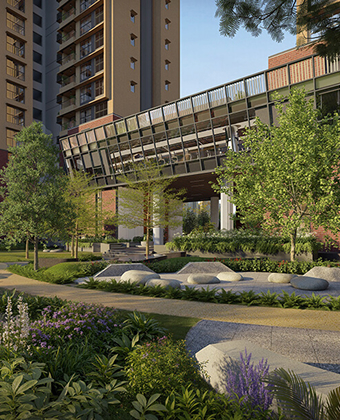
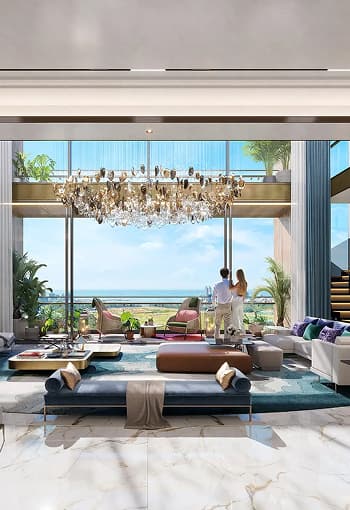
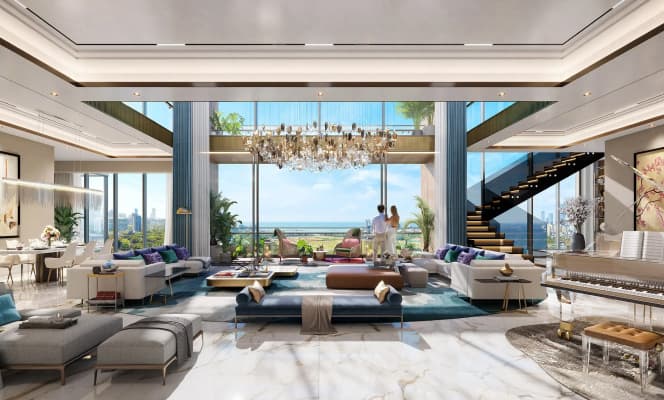
In practice, biophilic design in a Mumbai high-rise includes features such as floor-to-ceiling windows that let residents wake up to views of trees rather than concrete walls. It incorporates deep balconies that allow plants to grow, acting as a green buffer between inside and outside. It favours natural materials such as stone and wood over synthetic finishes. It emphasises orientations that maximise sunlight for four to six hours daily while preserving mature trees and creating communal spaces that feel like part of the landscape rather than merely paved areas.
Why Are Luxury Homebuyers in Mumbai Choosing Biophilic Design in 2026?
Mumbai is one of the most densely populated cities in the world, and while its luxury residential market has long been defined by premium finishes, expansive amenities, and advanced home automation, buyers today are seeking something more fundamental: a respite from the pressures of urban living. As wellness becomes a key consideration in homebuying decisions, biophilic home design is emerging as a defining trend in Mumbai's premium housing market in 2026, offering residents a stronger connection to nature, greater comfort, and an enhanced sense of well-being.
Three key trends drive this shift:
Post-pandemic reassessment: The pandemic changed what Mumbai buyers desire in a home. Time spent at home during lockdowns highlighted the importance of natural light, outdoor space, and visual access to greenery. Buyers who had lived in dense, inward-focused apartments for 18 months did not return to that standard when upgrading. Since 2021, luxury homebuyers have consistently said they want more light, greenery, and sky.
Wellness as a key aspect: The premium residential market in India has shifted from viewing wellness as a list of amenities (gym, pool, yoga deck) to considering it a fundamental design principle that permeates the entire home. Biophilic design has moved from marketing buzzwords to practical buyer expectations. When architects at Make Architects designed Piramal Aranya, they focused on the idea that nothing should obstruct the view or connection with nature. This approach responded to the new demand.
Tangible cognitive and emotional benefits: Research published in the Journal of Environmental Psychology and by Harvard's T.H. Chan School of Public Health shows that residents in biophilic-designed spaces report less stress, better sleep, greater productivity, and quicker psychological recovery. For high-achieving professionals in Mumbai, these results are not just nice to have; they are now seen as basic requirements.
What Are the Key Elements of Biophilic Design in a High-Rise Apartment?
Biophilic design encompasses multiple elements, from site planning and building orientation to the choice of balcony materials. The table below outlines key elements of biophilic architecture and how they translate into luxury high-rise apartments.
Biophilic Element
How It Appears in a High-Rise Apartment
Visual connection with nature
Floor-to-ceiling glass windows framing garden or water views
Natural light maximisation
East-west orientation, deep balconies, minimal internal walls
Living plants and vertical gardens
Indoor planters, terrace gardens, green walls in lobbies and corridors
Natural materials
Stone surfaces, timber joinery, terracotta tiles, jute textiles
Water features
Reflecting pools, lap pools with garden adjacency, and water sounds in common areas
Fractal and organic patterns
Curved forms, nature-derived motifs in facades and interior finishes
Indoor-outdoor continuity
Seamless balcony-to-living-room transitions, open corridors
Preserved natural context
Site design that retains existing trees; adjacency to parks or water bodies
Circadian lighting
Lighting systems that shift colour temperature through the day to match sunlight
These elements follow Stephen Kellert's biophilic design framework, commonly referenced in residential projects. The descriptions reflect design choices validated by Piramal Realty's project documentation.
The use of fractal and organic patterns is particularly noteworthy. Fractal patterns resemble forms found in coastlines, trees, and clouds. They encourage relaxation and creativity through the brain's default mode network. When Piramal Vaikunth's design incorporates “fractally inspired designs,” it is applying biophilic design principles intentionally.
How Piramal Realty's Projects Express Biophilic Architecture in Mumbai
Across Piramal Realty's residential portfolio, biophilic design principles are not just stylistic additions. They are fundamental choices made before the first architectural drawing. Each project's biophilic expression reflects its unique natural environment.
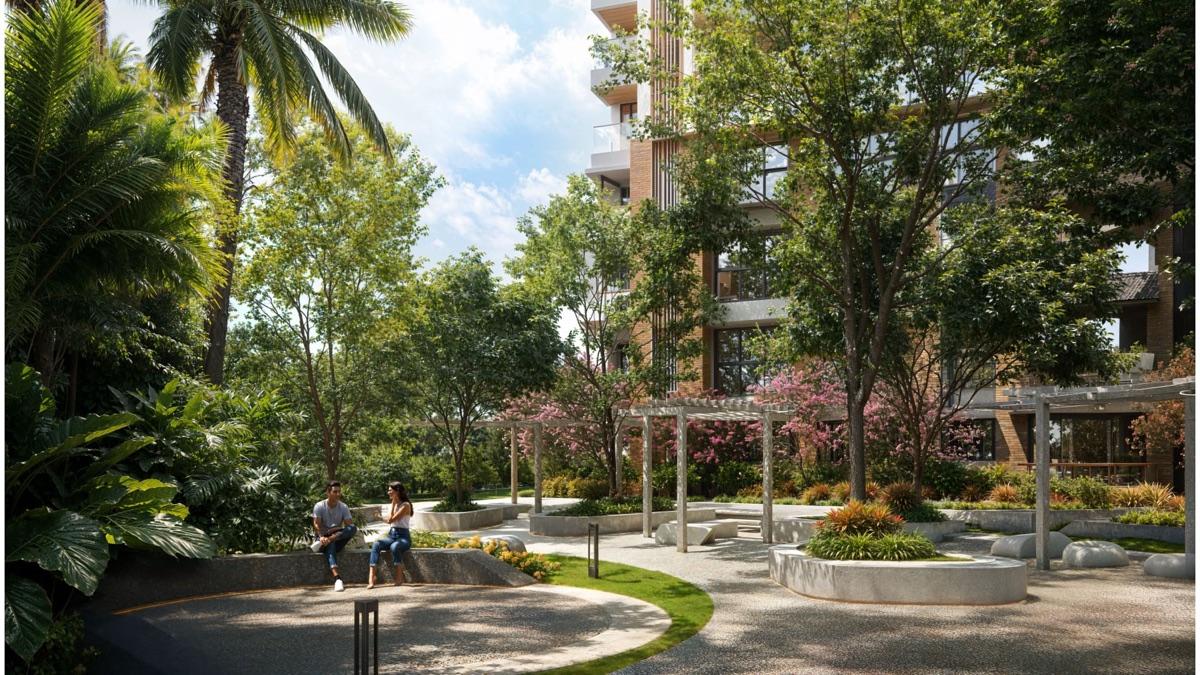
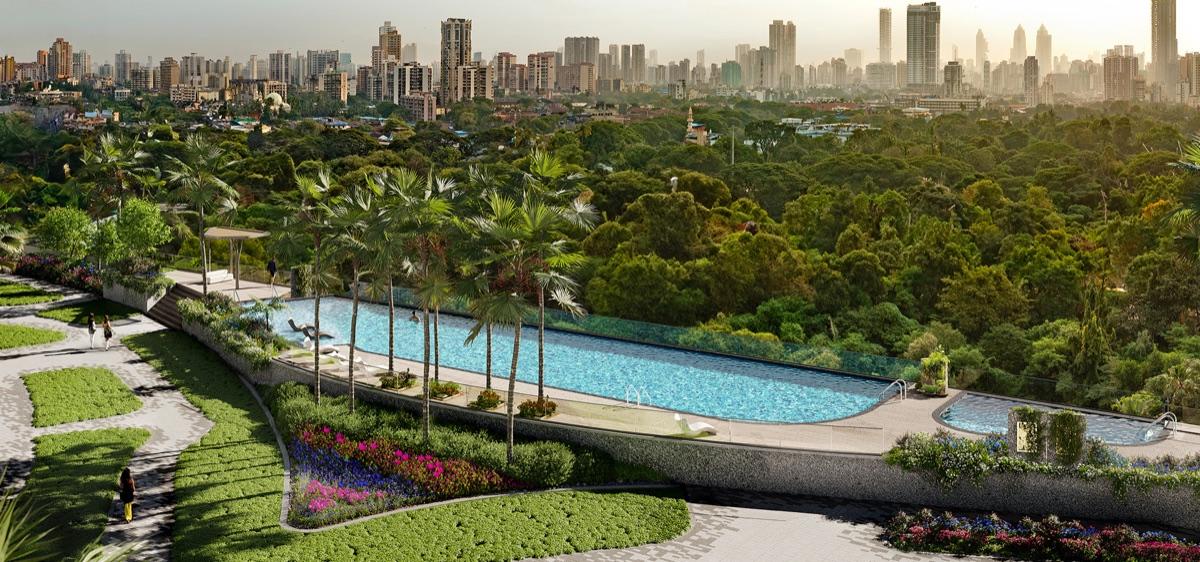
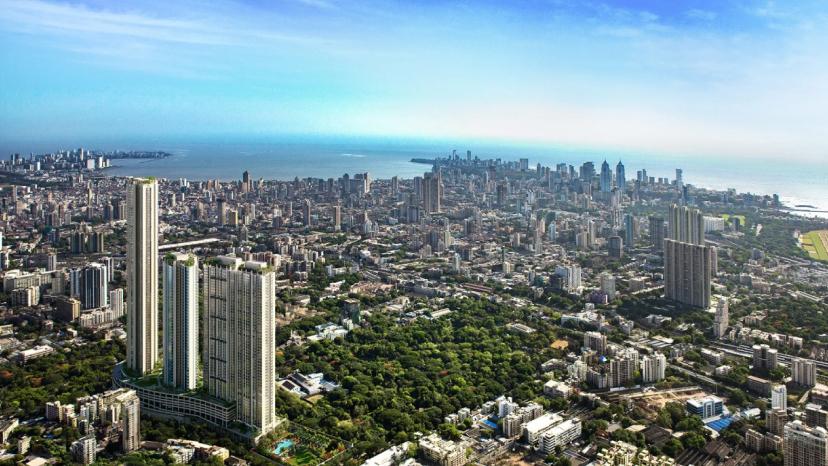
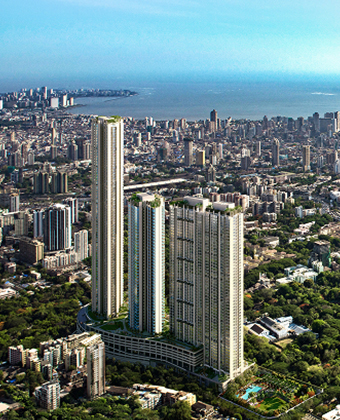
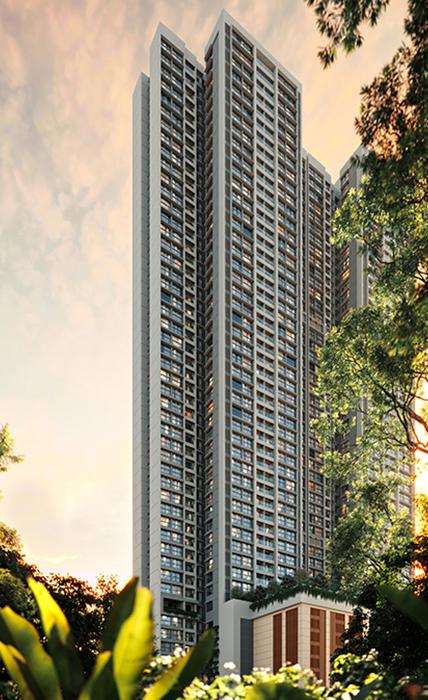
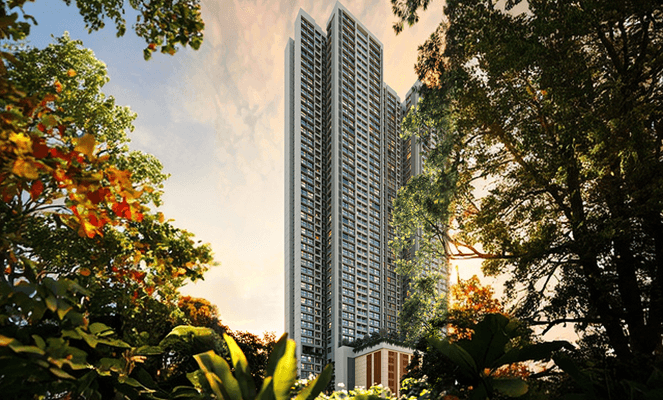
Piramal Aranya in Byculla East exemplifies a design philosophy that places nature at the heart of residential experience. The development's three towers Avyan, Arav, and Ahan are oriented to offer views to the gardens to the west and the Eastern Harbour to the east. Full-height glass windows further enhance this experience by framing uninterrupted views of the lush Rani Baug canopy from within the apartments. EDSA, a leading landscape architecture firm based in Miami, designed the outdoor spaces, introducing global standards for wellness-driven design. The project's emphasis on “wellness living” stems from specific design choices made during site planning.
Piramal Vaikunth in Thane West demonstrates how biophilic design to operate effectively at every level. The project states its design philosophy as ‘reintegrating human beings with the natural environment.’ This includes eco-friendly lifestyles, design inspired by fractal patterns, an indoor-outdoor architectural style, the preservation of on-site old trees, and a wide range of native plants and animals. Up to 40% of the 32-acre site is open space, which is unusual for premium townships. This feature supports the low-density, nature-rich living environment that biophilic theory advocates. From the upper floors, residents have views of Thane Creek and Yeoor Hills, providing a visual link to natural water and landscapes, a key aspect of residential biophilic design. The 1.71 lakh sq. ft. of amenities includes grounds, gardens, and recreational areas that are designed as a continuous landscape rather than a paved amenity zone.
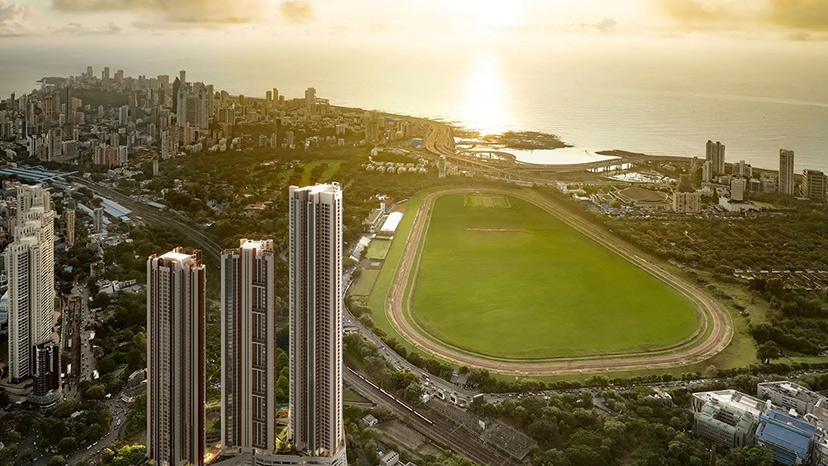
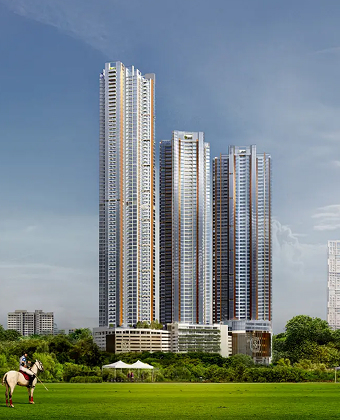
Piramal Mahalaxmi in South Mumbai offers luxurious interiors that appeal to buyers seeking natural elements through a distinct biophilic approach. It features panoramic views of the vast Mahalaxmi Racecourse and the Arabian Sea. Located in Jacob's Circle, one of the city's densest areas, it is rare to find such close proximity to a large green space. Interiors designed by Conran & Partners focus on material selection and the relationship between interior and exterior views. For luxury homebuyers in South Mumbai, the racecourse view is not just pretty; it connects them to the open green space that the location uniquely provides.
Does Biophilic Design Improve Wellness and Resale Value in Luxury Homes?
The benefits of biophilic design in residential settings can be observed in two areas: residents' health and owners' financial gains.
On wellness, a large amount of peer-reviewed research shows that biophilic design has important mental health benefits. Research in environmental psychology, including well-known work by Roger Ulrich (University of Delaware, 1984), shows that patients recover faster when they can see trees. Frances Kuo's studies at the University of Illinois demonstrate that having access to greenery reduces attention fatigue and improves mental restoration. These studies consistently show that city dwellers who see trees and greenery from their windows report lower stress and better mood compared to those without such views. These effects remain significant even after accounting for income and other lifestyle factors. A meta-analysis on indoor plants and psychological well-being found consistent reductions in anxiety and improvements in focus and creativity. For Mumbai's luxury homebuyers, often high-achieving professionals dealing with challenging cognitive tasks, a home that helps restore mental capacity is not just a matter of lifestyle; it is a practical asset.
On resale value, studies in residential property markets, including research by Knight Frank and peer-reviewed appraisal studies like Saphores and Li (2012), show that properties with uninterrupted green views often sell for 5 to 15% more than similar properties without those views. Being close to parks and mature trees helps retain property value during market changes. In Mumbai, the extra amounts paid for racecourse views at Mahalaxmi, proximity to Rani Baug at Aranya, and views of hills and creeks at Vaikunth highlight what buyers are willing to pay for natural features, even if they don't use that term directly.
In compact apartments, biophilic design does not require large spaces. Orientation, the quality of the view outside the window, and how the indoor and outdoor areas connect are decisions that can apply equally to a 700 sq. ft. flat and a 2,000 sq. ft. flat. A well-oriented, smaller flat with floor-to-ceiling windows and a deep planter balcony can offer more biophilic benefits than a poorly oriented, larger one.
Biophilic design has transitioned from a concept to a standard in Mumbai's premium residential market. Buyers who truly care about the long-term liveability of their home and its lasting value are looking beyond specifications. They are asking whether the building reconnects them to nature or isolates them from it. At Piramal Aranya, Piramal Vaikunth, and Piramal Mahalaxmi, the answer is clear: the design aims to reconnect residents with the natural world, which increasingly distinguishes a luxury home from just an expensive one.
Frequently Asked Questions
What is biophilic design in simple terms, and how does it differ from regular interior design?➕
Biophilic design involves incorporating nature, such as natural light, views, materials, plants, and organic shapes, into a building's design. This is done to fulfil humans' need to connect with the natural world. The main difference between biophilic and regular design is intent: traditional design focuses on aesthetics and space, while biophilic design prioritises nature connection as a necessary element with documented effects on stress, sleep, cognition, and psychological healing.
What are the benefits of biophilic design in a luxury Mumbai apartment?➕
The benefits of biophilic design in a luxury home include lower stress and cortisol levels, as well as greater relaxation. Better sleep quality is achieved through exposure to natural light, which supports circadian rhythms. Natural materials and organic shapes improve focus and creativity. Additionally, these properties tend to have higher resale value, as those with green or water views often sell for 5-15% more than comparable ones without such views. For Mumbai's urban professionals, these benefits affect both their experiences and their finances.
Which Piramal Realty projects in Mumbai use biophilic design principles?➕
All three of Piramal Realty’s main residential projects in Mumbai use biophilic design principles. Piramal Aranya in Byculla East focuses on nature, providing views of the Rani Baug gardens to the west and the Eastern Harbour to the east. Piramal Vaikunth in Thane West is a 32-acre township designed with fractal patterns, indoor-outdoor flow, and the preservation of existing old trees. Piramal Mahalaxmi in South Mumbai provides panoramic views of the Mahalaxmi Racecourse and the Arabian Sea.
Does biophilic design increase the resale value of a flat in Mumbai?➕
Yes. Market data indicates that properties with biophilic features tend to attract premium prices. Green views, water views, and nearby parks are highly valued traits in residential real estate worldwide. In Mumbai, homes close to the racecourse, botanical gardens, or creeks typically command significant premiums over comparable properties without such features. The biophilic premium reflects buyers' growing willingness to invest in documented psychological and physical benefits, not just aesthetic preferences.
Can biophilic design work in a compact Mumbai apartment?➕
Yes. Biophilic design is not limited by floor area. The most effective features for biophilic design in a compact apartment include east- or west-facing windows for direct natural light, floor-to-ceiling windows for better views, deep balconies suitable for plants, natural material finishes such as stone or wood, and access to communal landscaped areas. These design choices are determined at the project and unit level, regardless of individual apartment size. A well-oriented, smaller flat can provide more biophilic benefits than a poorly oriented, larger one.
Disclaimer - This article is based on the information publicly available for general use as well as reference links mentioned herein. The views expressed above are for informational purposes only based on industry reports and related news stories. Piramal Realty does not guarantee the accuracy, completeness, or reliability of the information and shall not be held responsible for any action taken based on the published information. Piramal Realty expressly disclaims/disowns any liability, which may arise due to any decision taken by any person/s basis the article hereof. Readers should obtain separate advice with respect to any particular information provided here in.