Mumbai's property registrations just hit a 14-year high. What it means if you're buying right now.
Mumbai's property registrations reached a 14-year high in 2025 and continued that trend into 2026. The market has seen several false starts in the past, following demonetisation, the pandemic, and interest rate hikes, but a sustained upward trend in property registrations signals something different. It shows that buyers are making long-term choices rather than reacting to fleeting moments. This blog explores what these trends mean for buyers today, whether to act quickly, if prices have already surged, and which areas are seeing the most demand.
In this guide, Piramal Realty explains the factors driving Mumbai's record property registrations, why the luxury segment is expanding the fastest, where demand is focused, whether prices in Mumbai have more room to grow, and what the next three years might look like for buyers who commit now.
What is Driving Mumbai's Property Registrations to a 14-Year High?
Three main factors, not just one, are behind the steady increase in property registrations in Mumbai. Understanding these factors is crucial as they influence the sustainability of this trend.
First, end-user demand has overtaken investor interest as the main driver of the market. Most buyers registering property in Mumbai today are families and professionals looking to live in their homes, not flip them. This significantly shifts the market character. Markets driven by end users tend to absorb inventory steadily and are less prone to sharp downturns when sentiment shifts.
Second, the wealth effect from the stock market has been substantial. Many professionals in Mumbai, including equity investors, founders, and senior executives, saw significant gains in their portfolios between 2021 and 2024. According to market reports from Knight Frank India and Anarock Research, some of this wealth has moved into Mumbai's real estate market. This shift is especially true in the premium and luxury segments, where transactions above 3 crore have seen some of the largest increases in volume.
Third, Mumbai's infrastructure projects have made previously outlying areas more appealing to buyers. Developments like the Mumbai Trans Harbour Link, metro line expansions, and the Eastern Waterfront Development plan have broadened the attractive premium market. Areas beyond South Mumbai and Bandra-Worli now include Byculla, Mahalaxmi, and mid-city corridors.
Why Luxury Property Registrations in Mumbai Are Growing Faster Than Any Other Segment
Traditionally, the Mumbai property market has focused on volume, with a high number of transactions occurring in the affordable and mid-segments. That dynamic is changing. The segment for properties costing 2 crore and above is now capturing a larger share of total registrations in Mumbai, even as overall volume increases.
The table below presents market trends based on commentary from property research firms such as Knight Frank India and Anarock. The specific registration shares can differ by source and month. The figures below indicate the overall direction, but they are not exact percentages from official registrar data.
Segment
Observed Trend (2026)
Direction
Luxury (2 crore plus)
Fastest-growing segment by registration volume year over year
Growing
Mid-segment (75L to 2 crore)
Steady absorption across suburban and mid-city markets
Stable
Affordable (below 75L)
Constrained by limited new supply at a viable land cost
Slowing
The reason for this shift is twofold. On the affordable side, Mumbai's high land costs make new construction below 75 lakh largely unviable, which has steadily shrunk fresh supply in that segment. At the premium end, developers in Mumbai's luxury segment, including Piramal Realty, have avoided overbuilding in projects such as Piramal Mahalaxmi, Piramal Aranya, and Piramal Revanta. New luxury projects are introduced in controlled phases, preventing the inventory surplus that affected the market from 2015 to 2019. When supply is well managed at the top and constrained at the bottom, and demand is real, the rate of registrations rises without prices dropping.
Notably, luxury registrations in the 5 crore plus category are increasing more rapidly in the Mahalaxmi, Lower Parel, and Worli area than in well-established premium locations like Juhu or Andheri West. This trend reflects buyer desire for closer proximity to business areas without paying the highest prices in South Mumbai, especially as mid-city projects now offer a similar level of quality.
Have Mumbai Property Prices Already Peaked, or is There Still Room to Buy?
Mumbai property prices have not hit their peak, but they are no longer inexpensive, and the easy gains from post-pandemic adjustments are in the past. For buyers in 2026, the critical question is not whether prices will continue to rise, but whether today's prices are fair based on the location, quality, and builder reliability.
According to market research from Knight Frank India and Anarock Research, three data points provide the answer.
Weighted Average Price Growth
Weighted average property prices in Mumbai have risen by about 12 to 15 per cent per year since 2021 in premium micro-markets, according to Knight Frank India residential market data. This growth rate is slowing. The next cycle is generally expected to show annual increases of 7 to 10 per cent, rather than the double-digit jumps seen in recent years.
Gap with Comparable Global Cities
The gap between property prices in Mumbai and similar global cities, including Singapore, Hong Kong, and Dubai, remains large at the high end. Mumbai per-square-foot prices for truly luxury properties in South Mumbai, which are mostly in the 50,000 to 1.5 lakh per sq. ft. range, according to Anarock and Liases Foras data, are still significantly lower than those in other major financial centres.
Premium Rental Yields
Rental yields in Mumbai's premium segment have risen from about 2 to 2.5 per cent to 3 to 3.5 per cent over the last three years. This increase is due to ongoing corporate demand for premium residential leases, as noted by Anarock Research. This makes the case for buying property in Mumbai based on yield more convincing than it has been in the last decade.
The main risk to prices is not demand, it is macroeconomic factors. A long-term rise in home loan interest rates or a sustained correction in the equities market could slow the pace of registrations. As of mid-2026, neither of these risks appears imminent. Buyers planning for the long term are in a better position than those seeking quick profits.
Which Areas in Mumbai are Seeing the Strongest Property Demand in 2026?
Demand in the Mumbai property market in 2026 is not evenly spread. Three micro-markets are capturing the highest proportion of premium registrations.
Mahalaxmi and Lower Parel
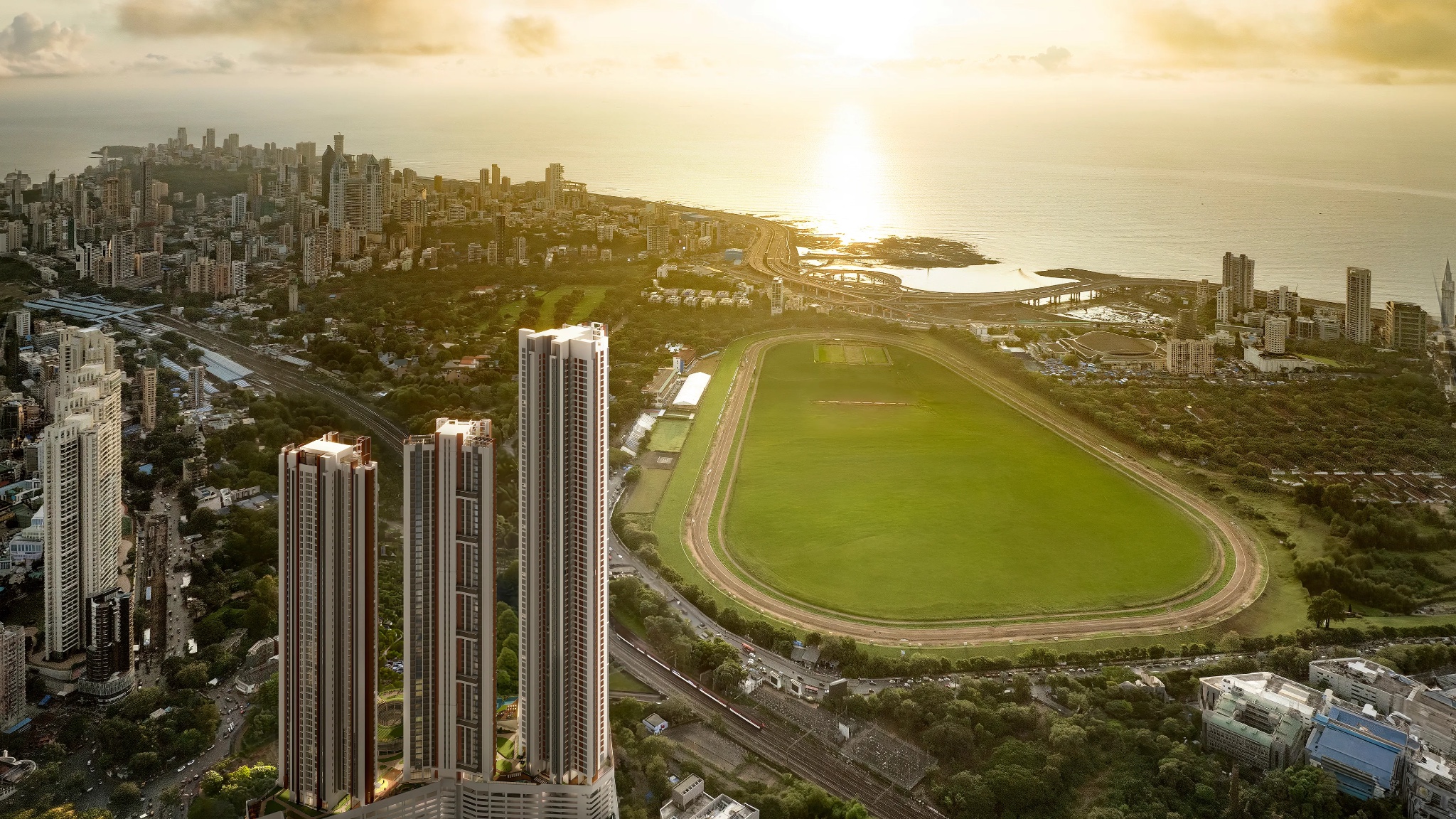
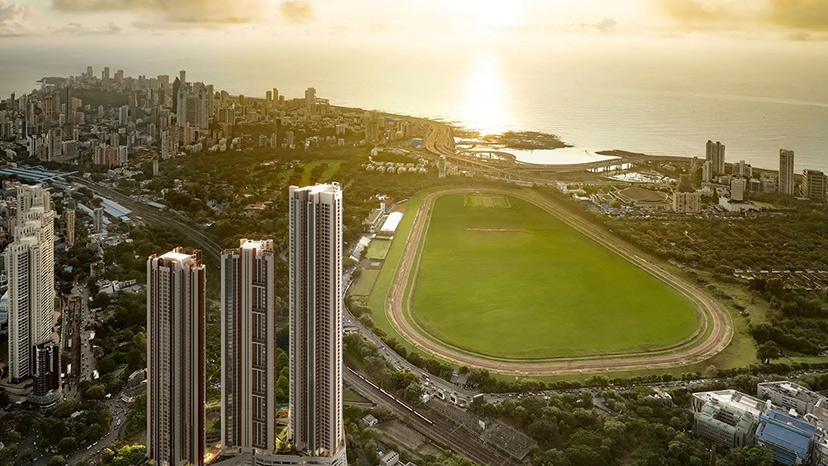
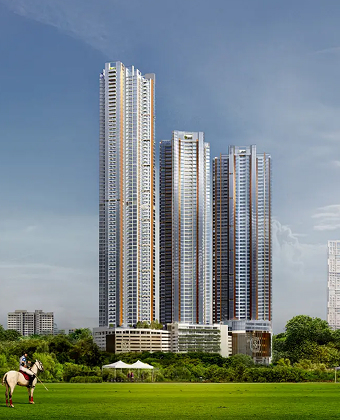
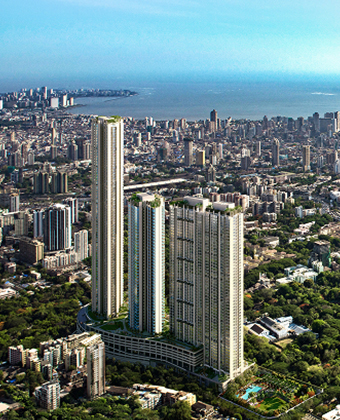
This area is close to business districts and the Racecourse. With limited new supply, it has become the most desired mid-city address. Piramal Mahalaxmi, which overlooks the Mahalaxmi Racecourse and the Arabian Sea, was designed by an international team that includes CallisonRTKL from Seattle and Hafeez Contractor. It sets a high standard in this area.
Byculla
The close distance to Rani Baug, a 60-acre botanical garden, along with views of the Eastern Harbour and the ongoing Eastern Waterfront Development, has transformed Byculla from a neglected spot into a real premium destination. Piramal Aranya is a 7-acre development featuring over 40 amenities. It was designed by Make Architects from London and built by L&T. It is the most registered premium project in this area.
Mulund West and the Central Suburbs Corridor
The central suburbs, anchored by LBS Road and the Goregaon-Mulund Link Road, are among Mumbai's strongest volume-registration markets. Piramal Revanta, Piramal Realty's first project in the central suburbs, is located in this corridor next to Sanjay Gandhi National Park. It benefits from the area's improving connectivity through the Eastern Freeway and GMLR. The demand in the central suburbs comes from families looking for more space and greenery within a short distance of both the western and central business districts.
Outside these three, Thane West continues to see strong demand from buyers who are priced out of Mumbai's inner ring. Piramal Vaikunth, a 32-acre township in Thane with an established community and the first ISKCON temple in Thane on its grounds, represents the high-end segment of the Thane market. It is closely linked to Mumbai's registration story.
For end-user buyers looking to live in their homes, 2026 is a good time to buy a flat in Mumbai, as long as one important condition is met: choose the right property in a suitable location from a developer with a solid track record of delivering projects. The current market is genuine, but it favours quality. Projects that are poorly located or from developers with incomplete histories are not benefiting equally from the registration trend.
For investors, the situation is different. The market has adjusted, and entering today at luxury price points typically requires a holding period of five to seven years to see returns that justify moving money away from stocks or bonds. Short-term speculation in Mumbai real estate, such as purchasing off-plan units to resell before possession, now carries higher risks than it did in 2021-22, when market momentum was more forgiving.
The best bet for buyers in 2026 is a project where the developer has successfully completed previous phases, the location shows potential for infrastructure improvements, the property specifications match the price point, and property registrations in that micro-market have remained consistently strong, not just recently high.
What Record Registrations Mean for Mumbai Property Prices Over the Next Three Years
Sustained high property registrations in Mumbai over the last 36 months create a compounding effect on prices that buyers should understand. Each registration reduces the available inventory in completed and nearly completed projects. As inventory tightens, developers maintain higher launch prices, which sets a stronger baseline for the next phases. This process is behind the 12 to 15 per cent annual price increase seen in premium Mumbai micro-markets since 2021.
Over the next three years, the most likely scenario for the Mumbai property market is a slowdown to 7 to 10 per cent annual appreciation in premium sectors. Certain micro-markets, particularly those with confirmed infrastructure upgrades, may perform better. The Eastern Waterfront, which involves 966.3 hectares of planned development including Marine Drive 2.0, is the largest infrastructure project with significant potential for price growth. Byculla East is directly next to this area.
The downside risk, which could lead to a significant price drop, would require both a sudden drop in demand, such as job losses or interest rate spikes, and a surge in supply at the same time. Neither of these conditions appears in the current pipeline. New project launches in Mumbai have stayed controlled, and absorption rates have matched supply. Buyers who choose quality projects in 2026 will find a market with more support than it has had in the last 15 years.
Mumbai's 14-year high in registrations is not just a fleeting news event. It shows a lasting change in how buyers view real estate in the city as a long-term investment. If you are thinking about buying in 2026, the data suggests that moving ahead with a solid project makes sense, rather than waiting for a correction that is not currently expected.
Frequently Asked Questions
Does a rise in property registrations mean property prices in Mumbai will go up?➕
Increased registration volumes indicate that buyers are taking inventory off the market faster than new units are being added. When demand surpasses supply, property prices in Mumbai tend to rise. The current cycle shows this pattern: project launches have been controlled while registration rates remain high. This has led to steady price growth in premium micro-markets since 2021, without any notable corrections.
How long has the Mumbai property market been on this upward trend?➕
The recent increase in the Mumbai property market started in late 2020 and picked up speed in 2021. This growth was fuelled by cuts in stamp duty, low interest rates, and demand after the pandemic. Unlike the boom from 2010 to 2014, which depended partly on investors, this current cycle is mainly driven by end users, making it more stable. Five straight years of annual growth in property registrations is unusual for Mumbai. The trend has been steadily upward, although some individual months have shown year-on-year declines due to high comparisons. For instance, October 2025 had lower month-on-month figures compared to strong numbers from 2024.
Are property registrations in Mumbai evenly distributed across the city, or are they concentrated?➕
Property registrations in Mumbai are mainly concentrated in the western suburbs, from Borivali to Bandra, and in the premium mid-city areas, from Mahalaxmi to Worli to Byculla. South Mumbai accounts for a smaller share of overall volume but holds the highest transaction value, as per-square-foot rates there are the highest in the city. Premium micro-markets consistently offer greater value, even if their volume is lower.
Does high registration activity indicate that less inventory is available to buyers?➕
In strong-performing micro-markets, yes. High property registration rates in Mumbai reduce the inventory of completed and near-completed projects. Developers respond by launching new phases at increased prices. In the Mahalaxmi-Worli-Byculla area, quality inventory has noticeably decreased. Buyers hoping for more options at current prices may find fewer choices at higher prices as demand continues.
Is the luxury segment in Mumbai seeing more registrations than affordable housing?➕
In terms of growth rate, yes, the luxury segment (properties above 2 crore) has seen quicker year-on-year registration growth than the affordable segment. The affordable market faces a supply issue. Mumbai land costs make new construction below 75 lakh mostly unfeasible, which limits new supply. The premium and mid-range segments have taken in new supply consistently, with demand often exceeding launches. Market share figures vary by source and reporting method. Interested readers can check quarterly residential reports from Knight Frank India or Anarock Research for the latest segment breakdown.
What happens to property registration numbers when the market slows, and are there signs of that now?➕
During a slowdown, the affordable segment of the Mumbai property market usually feels the impact first, while the luxury segment is affected last, since high-income buyers are less sensitive to interest rates. Current indicators show no signs of a downturn: inquiry volumes, site visits, and loan disbursements are steady. Developers have not lowered prices or initiated distress sales, both of which would be early warning signs absent from present data.
Disclaimer - This article is based on the information publicly available for general use as well as reference links mentioned herein. The views expressed above are for informational purposes only based on industry reports and related news stories. Piramal Realty does not guarantee the accuracy, completeness, or reliability of the information and shall not be held responsible for any action taken based on the published information. Piramal Realty expressly disclaims/disowns any liability, which may arise due to any decision taken by any person/s basis the article hereof. Readers should obtain separate advice with respect to any particular information provided here in.