Date: 02 June, 2026 Author: Team Piramal Realty
Does Vastu Shastra Still Matter in a High-Rise?
The question arises in almost every upscale flat purchase in Mumbai or Thane: Does Vastu apply when buying on the 22nd floor of a high-rise tower? The short answer is yes, but in a different way. Traditional Vastu was created for ground-level homes, where each room is directly related to the eight cardinal directions. However, a high-rise changes the geometry, not the core principles. Your flat still has a northeast corner, a southwest wall, and a kitchen positioned in a specific direction. The guidelines for room layout, placement, the main door, the kitchen, and the master bedroom remain relevant. What changes is how you deal with underground water and earth elements, which are managed at the building level rather than the individual flat level.
This guide by Piramal Realty explores what Vastu means in the high-rise context, whether Vastu works in high-rise living, which floor is best according to Vastu, key Vastu principles for high-rise apartments, interior corrections you can make, and the most auspicious Vastu Shanti muhurat dates in 2026 for buyers moving in this year.
What Vastu Shastra Means in the Context of Modern Apartments
Vastu Shastra is an ancient Indian architectural science with roots spanning over a millennium that defines the connection between a built structure and the five elements: earth, water, fire, air, and space. Its main idea is that room orientation relative to the eight directions, main entrance placement, kitchen and master bedroom positioning, and the flow of light and air all affect the energy residents feel. At its core, Vastu is a design system that prioritises spatial orientation to enhance positive natural energies and reduce disruptive ones.
In a high-rise tower, Vastu works on two levels. At the building level, which is under the developer's control, the tower's orientation on the plot, the lobby, the staircase, the lift shaft, and the underground water tanks all hold Vastu significance. At the flat level under your control, the direction your main door faces, the location of your kitchen and master bedroom, the placement of heavy furniture, and the flow of natural light still fit within Vastu guidelines for homes. Most premium developers, such as Piramal Realty, incorporate Vastu awareness in their designs.
Does Vastu Really Work in a High-Rise Tower?
Does Vastu truly work in a high-rise? The honest answer depends on your expectations. If you expect it to guarantee specific life outcomes, there is no scientific proof. If you see Vastu as a design philosophy that optimises natural light, ventilation, and spatial flow, then the evidence is both intuitive and observable: a northeast corner with large windows gets the best morning light; a southwest master bedroom remains the warmest, most settled room; a southeast kitchen offers the best ventilation. These points are architectural facts.
The more complex question is whether earth-based Vastu principles related to soil energy, underground water, and being close to the ground apply to high-rise living. Traditional Vastu texts focused on single and double-story buildings. Modern practitioners hold two views: one holds that the building's Vastu applies equally to all units, while the other holds that higher floors have more neutral energy, less influenced by underground disturbances and ground-level vibrations. Both schools agree that interior Vastu for high-rise apartments is fully applicable and can be implemented.
Is Vastu Applicable for Flats, Especially on Higher Floors?
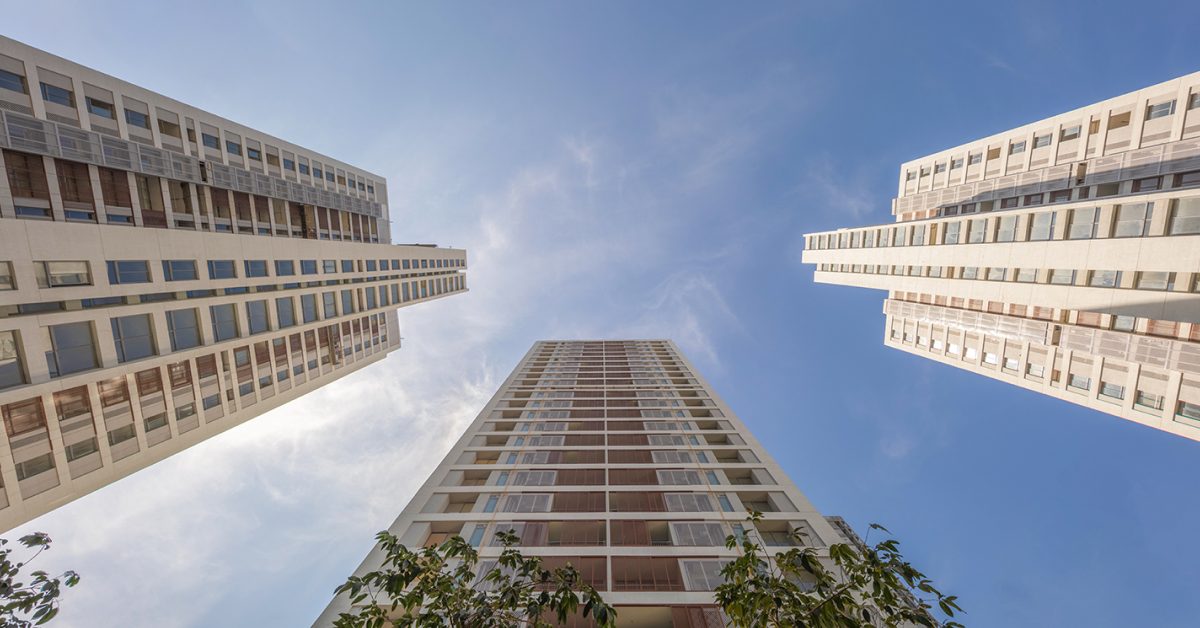
Is Vastu relevant for flats? The answer is clearly yes. The core Vastu principles, main entrance direction, kitchen design, master bedroom direction, the weight of the southwest zone, the openness of the northeast, and the importance of the Brahmasthan (the centre of the home) apply to a flat on the 25th floor just as they do to a ground-floor home. A flat shares its internal layout and orientation with all other housing types. The sun still rises in the east, the northeast corner still receives soft morning light, and the southwest still collects the most solar heat in the afternoon. These elements remain constant, regardless of the floor.
Living in high-rise apartments differs from living in a bungalow when it comes to water. Traditional Vastu emphasises the importance of underground water in the north or northeast of the plot. In a high-rise, that infrastructure belongs to the building. What you can manage is indoor water placement: keep washing machines, overhead tanks, and water features in the north or northeast of your flat when possible. If Vastu compliance matters to you, it's worth inquiring about the building's water setup.
Vastu Principles for High-Rise Apartments that Always Apply
These Vastu principles for high-rise apartments are valid regardless of your floor or the building's overall orientation. They are applicable to every flat in every high-rise tower across India.
| Vastu Zone | Ideal Placement | Why It Matters |
|---|
| North-East (Ishan) | Prayer room, meditation corner, open space | Associated with water and clarity — keep light and uncluttered |
| East (Purva) | Main entrance or large windows | Sunrise direction — brings natural light and energy inflow |
| South-East (Agneya) | Kitchen, inverter/electrical | Associated with the fire element — ideal for heat-generating functions |
| South-West (Nairiti) | Master bedroom, heavy storage | Associated with earth, stability — heaviest use zone |
| North-West (Vayavya) | Guest room, study, garage | Associated with air — suitable for movement and transitional use |
| Centre (Brahmasthan) | Open, unobstructed | The energy core — avoid columns, heavy furniture, or walls here |
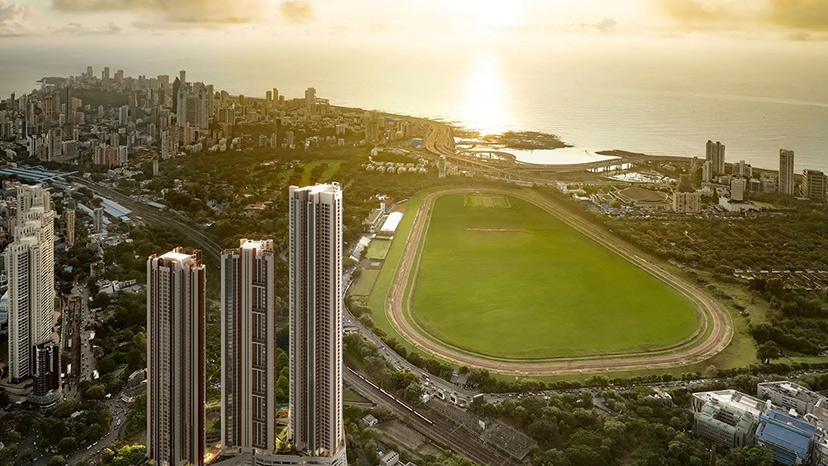
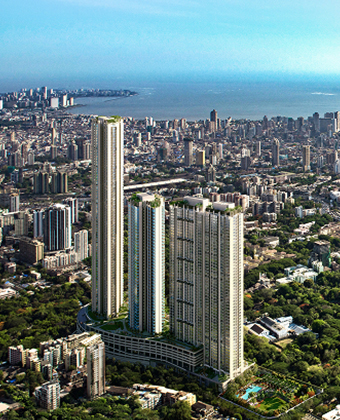
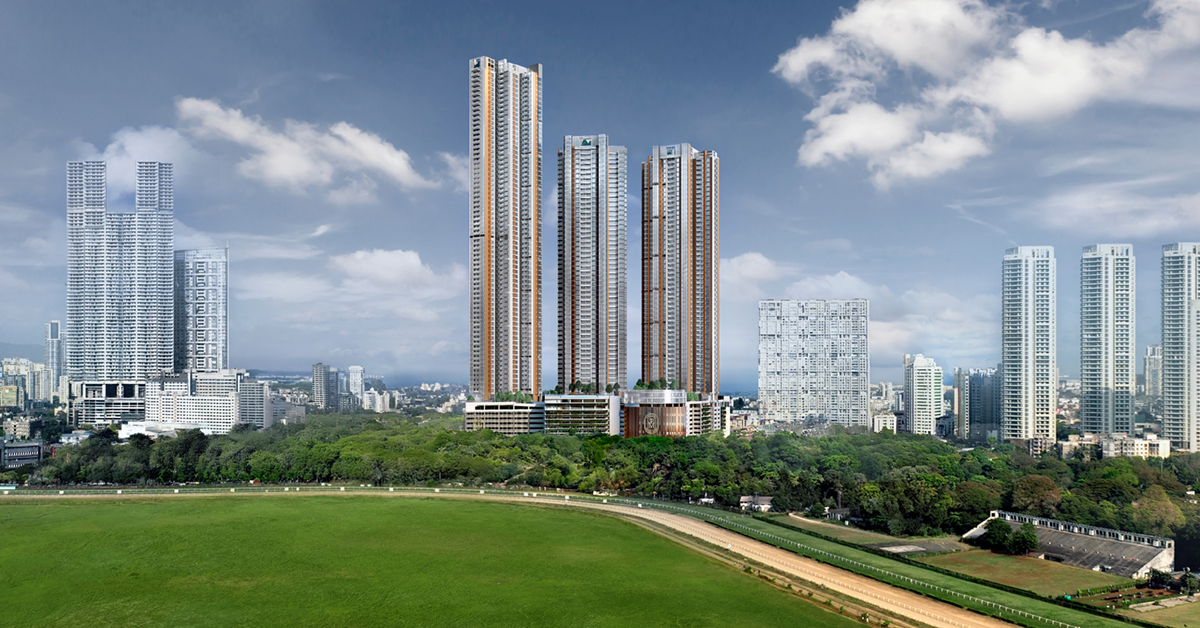
The main door's direction is the most debated Vastu factor for a flat. East- and north-facing doors are usually considered the most favourable. South-facing doors are viewed as less ideal, but modern practitioners use mirrors, thresholds, and symbols to address this. At Piramal Aranya in Byculla East, the three towers Avyan, Arav, and Ahan consider orientation carefully, offering views of Rani Baug gardens to the west and the Eastern Harbour to the east. Piramal Mahalaxmi in South Mumbai sits above the Mahalaxmi Racecourse, capturing multiple directional exposures across its three towers.
Vastu Corrections You Can Make Through Interiors
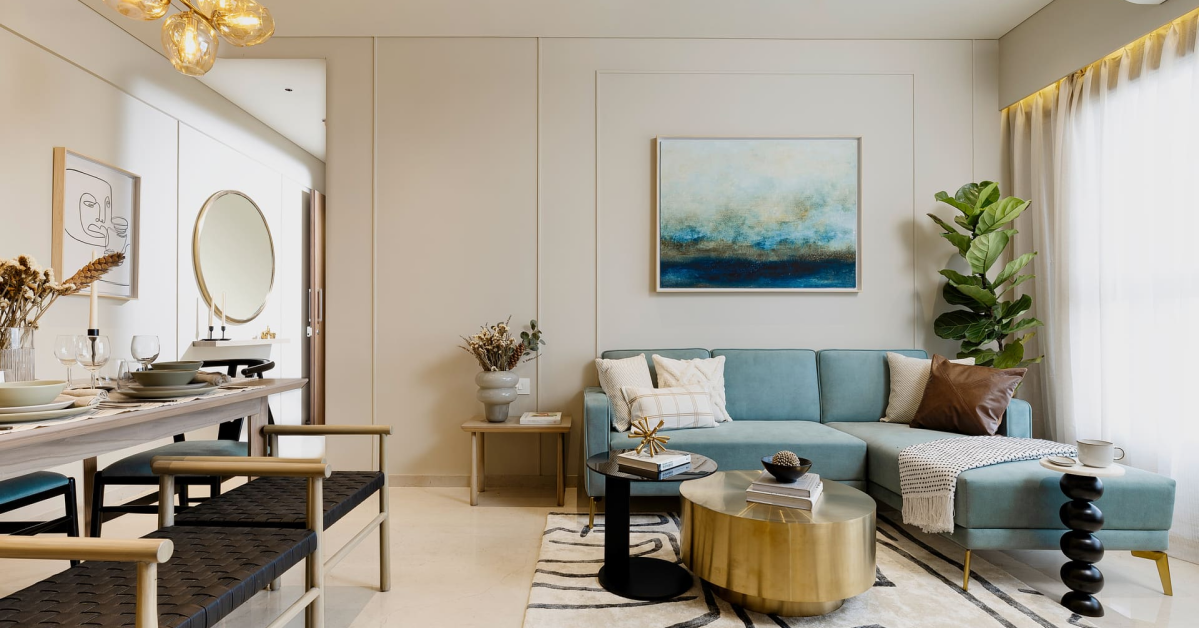
If your flat's design does not fully align with Vastu principles, which is common in most high-rise apartments with fixed layouts, interior corrections can address many common issues. These solutions are practical, affordable, and do not need structural changes.
- North-east zone cluttered or used for storage: Clear this space. If a bathroom or storage area is there due to the builder's design, place fresh flowers, a small water feature, or a crystal in the corner to symbolically balance the elements.
- Kitchen in the north or north-east: This layout is often a conflict in modern designs. Add a red element, such as a red curtain, a small red mat, or red cookware, to the kitchen to bring in the fire element and offset the water-based conflict.
- Master bedroom in the north or east: Traditional Vastu favours the southwest for the master bedroom. If your bedroom faces north or east, ensure your bed head points south or west. This is a widely followed Vastu guideline across Vastu practices.
- Main door facing south: Place a Swastik symbol or a metal nameplate at the entrance. Bright lighting at the door helps maintain a sense of energy. Avoid dark colours near the main door.
- Brahmasthan (centre of the home) occupied: If there's a pillar, column, or heavy furniture in the centre of your flat, keep the centre uncluttered and well-lit to activate and honour that energy core.
The shared principle of all Vastu corrections is substitution. If you can't change a room's location, modify its elemental quality using colour, materials, light, and symbolic items. A warm colour in a north-facing room, a bright entrance for a south-facing door, or a water feature in the northeast are all both architectural and Vastu choices.
Choosing an Auspicious Vastu Shanti Muhurat in 2026
If you are moving into a new flat in 2026, selecting the right Vastu Shanti muhurat is an important step, regardless of your beliefs about the practice. The Vastu Shanti puja is a ritual conducted to balance the energies of the home before or during the first entry. It usually takes place before the Griha Pravesh ceremony. The correct order is to perform Vastu Shanti first, followed by Griha Pravesh. While you can do it in reverse, it is generally considered less effective.
| Month | Key Dates (2026) | Nakshatra | Note |
|---|
| February | 6, 11, 19 | Pushya, Rohini | Pushya on Feb 6 — considered Raja Nakshatra, very rare |
| March | 4, 11, 25 | Uttara Phalguni, Hasta | Strong window before Chaitra |
| May | 4, 13, 20 | Rohini, Mrigashira | Jupiter in Taurus — stable and expansive |
| June–July | Multiple dates | Anuradha, Swati | Good window before Jupiter combustion (15 Jul) |
| November | 20, 21, 25, 26 | Revati, Mrigashira | Best post-Chaturmas window |
| December | 2, 3, 4, 11, 12, 18, 19, 30 | Uttara Phalguni | Margashirsha — traditionally auspicious |
| Avoid | Jan, Aug, Sep, Oct | — | Jan: Venus's combustion. Aug–Oct: Chaturmas. Oct: Venus's combustion |
All dates are approximate. Check exact timings based on your local Panchang and speak to a qualified priest before finalising your muhurat. Source: Drik Panchang
For those moving into Piramal projects in 2026, the windows in November and December are the most practical, as they fall during the post-Chaturmas festive season. February, especially with Pushya Nakshatra on the 6th, is the strongest early-year window for those ready to move in the first quarter.
Vastu principles for a home in a high-rise tower are similar to those applied in other types of buildings. The directions remain the same, and the elements still apply. What changes is the locus of control: building-level Vastu is handled by the developer, while flat-level Vastu is your responsibility. If you are considering a home at Piramal Aranya, Piramal Mahalaxmi, Piramal Revanta, or Piramal Vaikunth, be sure to inquire about the orientation of your flat, the direction of the main entrance, and the layout of the kitchen and master bedroom before moving in.
Frequently Asked Questions
My flat is above the 4th floor. Does that mean it loses the 'water element' connection?➕Not entirely. The water element in Vastu functions through both underground proximity and the north zone. Above the 4th floor, your link to underground water is managed at the building level, not something you control. You can maintain the water element in your flat by keeping the north and north-east areas open and tidy, and by adding water features or plants in those directions.
Which floor is best according to Vastu in a high-rise building?➕There is some debate among practitioners about the best floor according to Vastu, but the general consensus is that floors 1-6 have a stronger connection to the earth. Floors above the 7th floor are considered more neutral, as they are distant from underground disturbances and ground-level noise. Many vastu experts believe the interior layout and direction of the main door are far more significant than the floor number in determining a flat's vastu quality.
Are odd-numbered floors better than even-numbered floors as per Vastu?➕Classical Vastu texts do not differentiate between odd and even floors. This is a common belief, but it lacks strong textual support. Traditional Vastu emphasises the qualities of each floor in relation to the five elements, including ventilation, natural light, entry direction, and proximity to underground water sources. Just the floor number is not a reliable indicator of Vastu.
Is the top floor of a high-rise tower good according to Vastu?➕The top floor has one advantage: it is free from all underground vastu issues and enjoys direct access to sky energy, which is linked to space, the fifth element. The downside is exposure, as the roof above can lead to higher thermal load and increased vulnerability to monsoon energy. These factors are both practical and Vastu-related. Ensure proper ventilation and a cool master bedroom if you are on the top floors.
Does the direction a high-rise apartment faces matter more than the floor number?➕Yes, direction is significantly more important than floor number. An east-facing apartment on the 30th floor will generally perform better according to Vastu than a south-facing apartment on the 3rd floor. Direction affects the quality of natural light, morning energy flow, the relationship of your main door to the cardinal directions, and the arrangement of essential rooms. Floor number matters less than orientation in most Vastu traditions.
Is a high-rise apartment with the main door facing the lift a Vastu concern?➕Having a main door that faces a lift door is considered a minor Vastu concern. The constant opening and closing of the lift creates energy movement at your entrance. A typical remedy is to install a solid wooden door with a threshold, place a nameplate at the entry level, and avoid having an open, mirror-fronted interior that reflects back toward the lift. This is an easy fix and shouldn't be a reason to reject an otherwise well-located flat.
Disclaimer - This article is based on the information publicly available for general use as well as reference links mentioned herein. The views expressed above are for informational purposes only based on industry reports and related news stories. Piramal Realty does not guarantee the accuracy, completeness, or reliability of the information and shall not be held responsible for any action taken based on the published information. Piramal Realty expressly disclaims/disowns any liability, which may arise due to any decision taken by any person/s basis the article hereof. Readers should obtain separate advice with respect to any particular information provided here in.