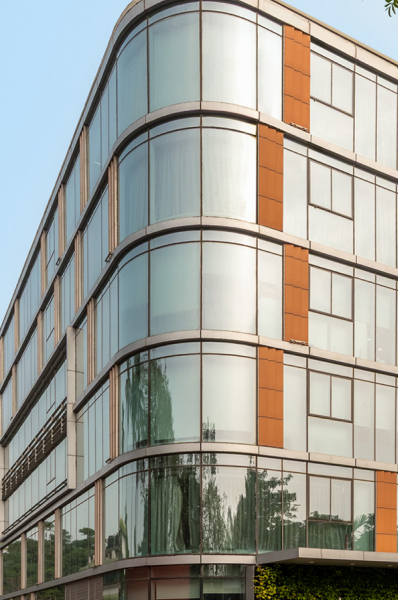
Why Sea-Facing Homes Continue to Attract Buyers
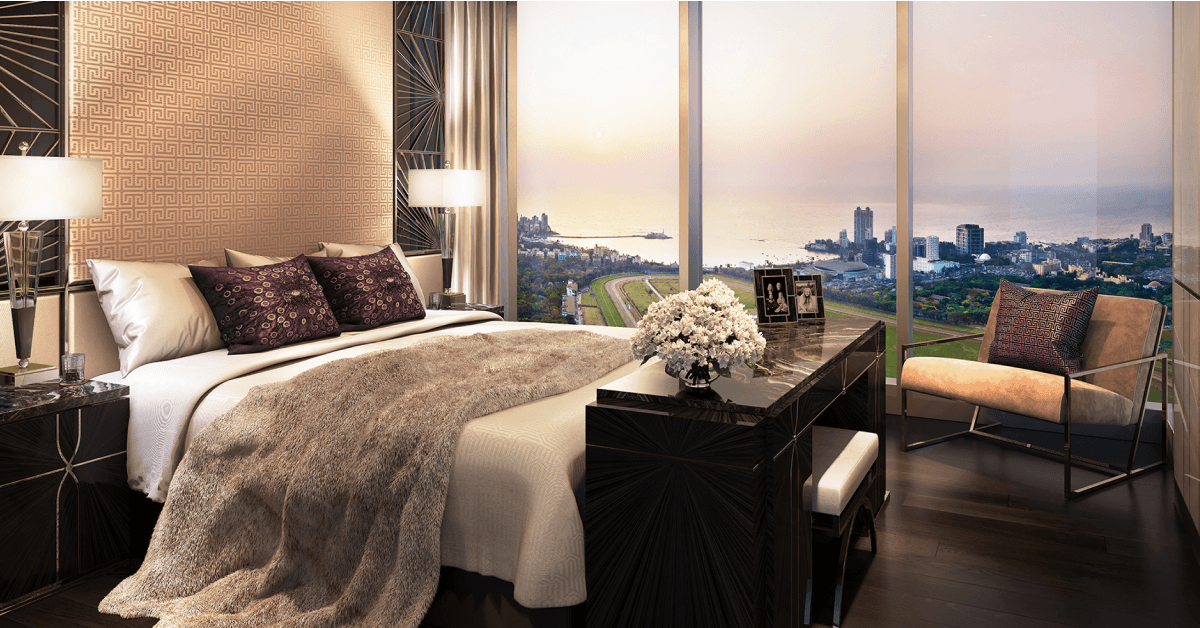
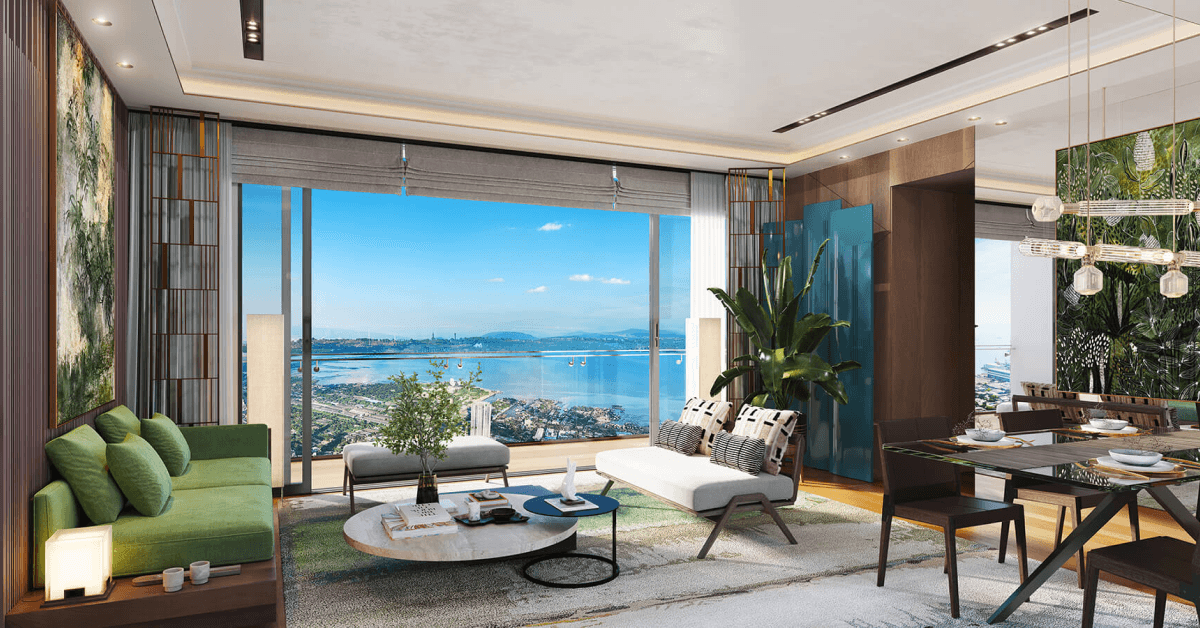
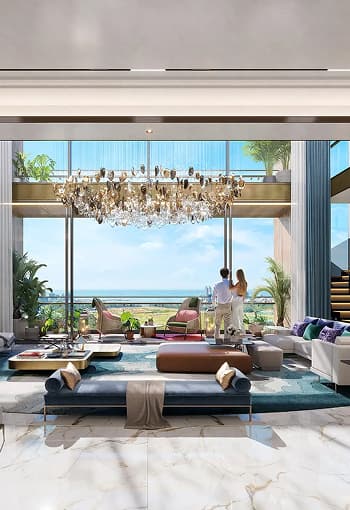
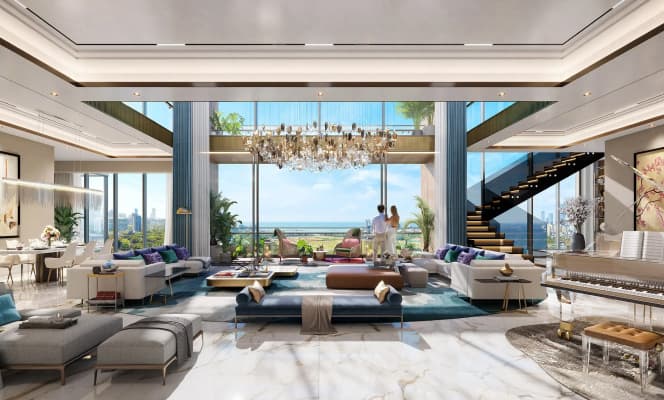
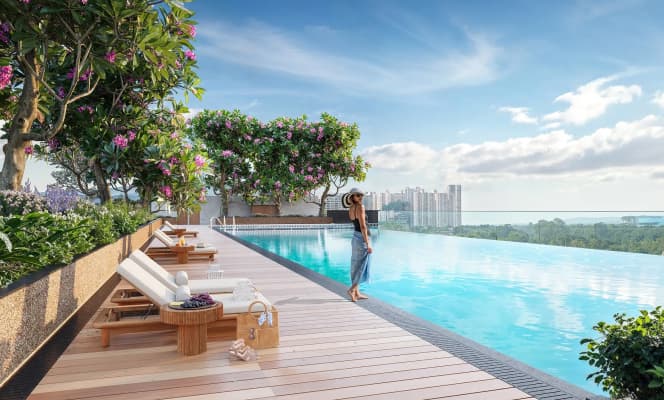
The appeal of an ocean view apartment extends far beyond its visual charm. although the view itself remains a significant attraction. A sea-facing home provides an unobstructed horizon in a city where most views are of neighbouring buildings. It brings in natural light without competition from nearby structures and a sense of permanence; the sea, unlike a nearby plot, won't be redeveloped.
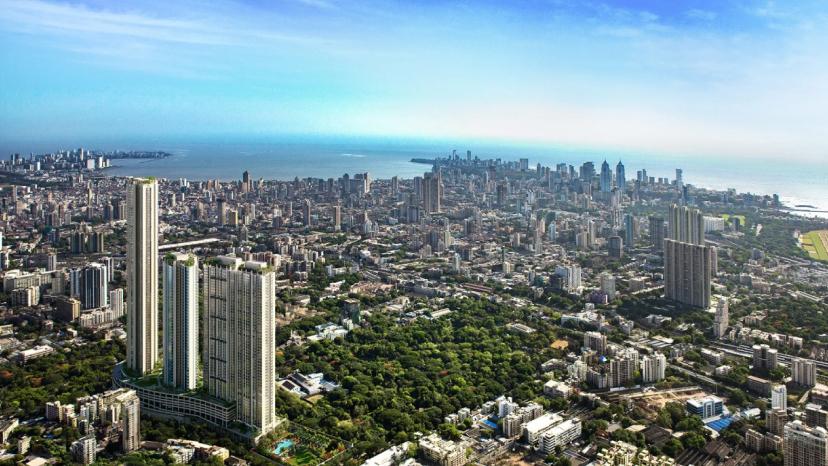
In Mumbai, sea-facing apartments are typically found in some of the city's most established and well-connected neighbourhoods, particularly across South Mumbai, where residents benefit from robust social infrastructure, renowned educational and healthcare institutions, cultural landmarks, and proximity to major business districts. This combination of prestigious address, strong connectivity, and an enduring waterfront outlook continues to drive demand for sea-facing flats in Mumbai. As buyers become more informed about coastal living and maintenance considerations, the value proposition remains compelling because these homes offer a unique blend of location, lifestyle, and long-term desirability.
Understanding Mumbai's Coastal Climate
To answer the maintenance question honestly, it is important to understand the environmental conditions coastal building in Mumbai faces. The city experiences a tropical climate characterised by high humidity, intense seasonal rainfall, and year-round exposure to marine air. Humidity levels typically range from about 57% during the cooler months to 86-89% during the monsoon season in July. The city receives a lot of rainfall annually, averaging over 2,200 mm mostly between June and September, with some months recording nearly 600 mm.
This mix of high humidity and heavy seasonal rainfall is tougher on building materials than dry heat or cold climates. Research on coastal corrosion clearly identifies the main issue: airborne salt particles settle on exposed surfaces. When combined with high humidity, they dissolve into an electrolyte solution that speeds up the electrochemical reactions, causing rust and material damage. Studies show that the longer a surface stays damp during daily humidity changes, the higher the corrosion rate. This is exactly the situation Mumbai's climate creates for much of the year, not just during the monsoon.
Does Living by the Sea Mean More Maintenance?
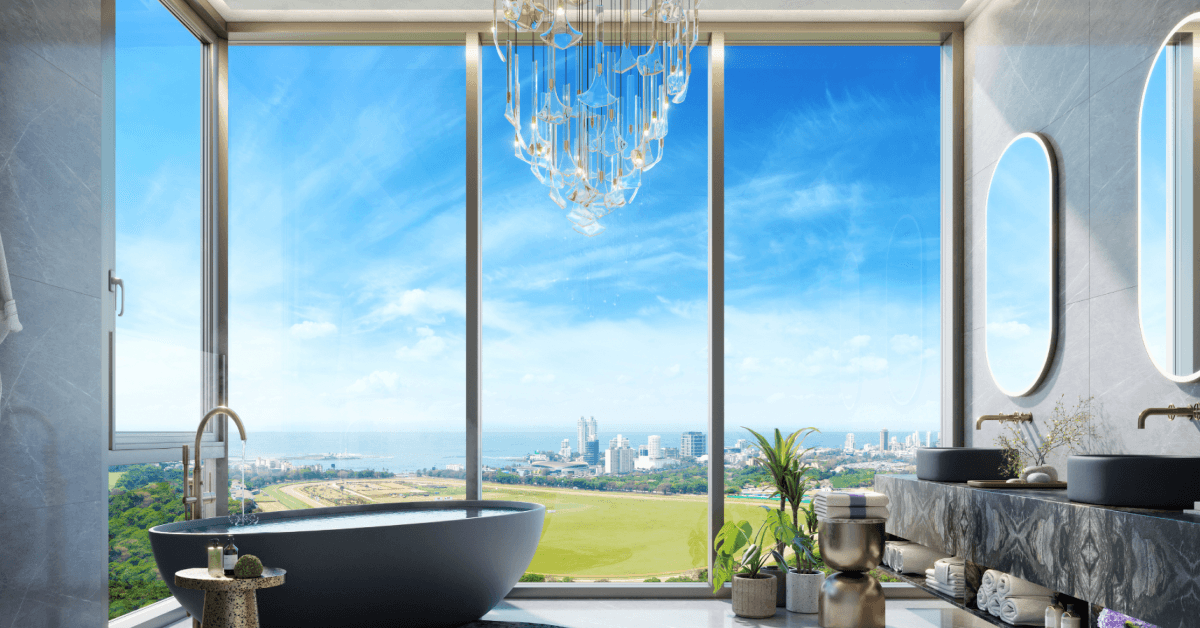
Yes, but in a specific and well-documented way, living by the seadoes expose a building to harsher environmental conditions, but the extent to which residents experience maintenance-related issues depends largely on how the property has been designed, engineered, and maintained from the outset.
Metal components are the most vulnerable elements in a costal environment. Railings, window frames, fasteners, and HVAC units are all exposed to salty air. Research on coastal construction shows that visible corrosion can appear within months under untreated coastal conditions, whereas the same materials can take years to corrode under inland conditions. Concrete faces a greater risk: salt and moisture can penetrate its surface and reach the steel reinforcement. Once that steel starts to corrode, it can weaken the concrete surrounding it. That's why protecting the reinforcement is a top design priority in coastal projects, instead of just a finishing detail.
Glazing and exterior coatings face their own challenges. Studies of coastal building exteriors show that salt buildup on glazing surfaces can harm thermal performance over time. Protective coatings on exteriors degrade faster with repeated exposure to salt and humidity than in a drier inland environment.
None of this suggests that living by the sea isn't practical. Instead, it highlights the need for the building's design, materials, and maintenance to match the coastal environment, just as a building in a seismic zone requires different structural measures. The downside isn't tied to the view; it stems from construction choices that either account for the coastal climate or don't.
How Modern Residential Projects Address These Challenges
Today's coastal residential design in Mumbai has made significant strides moving beyond the outdated perception that sea-facing homes inevitably demand frequent repairs. Modern developments address the challenges of coastal living from the outset through thoughtful engineering, corrosion-resistant materials, and specialised protective systems. Rather than treating maintenance as a reactive response to wear and tear, developers increasingly focus on prevention, designing buildings that can withstand exposure to salt-laden air, humidity, and heavy rainfall while preserving their structural integrity and appearance over the long term.
This often involves using higher-grade structural concrete that offers greater protection, specifically designed to resist chloride penetration, the way salt gets to and harms the steel in concrete. It also includes corrosion-resistant coatings and treated metal fixtures for railings, frames, and exposed hardware. Glazing systems are designed to handle high humidity and salt exposure, and waterproofing systems for terraces, podiums, and exposed slabs are rated for heavy monsoon rainfall, not just generic weather conditions.
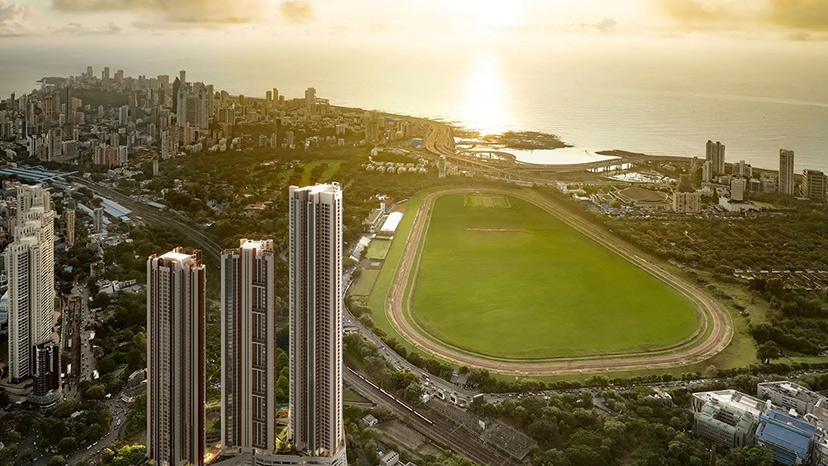
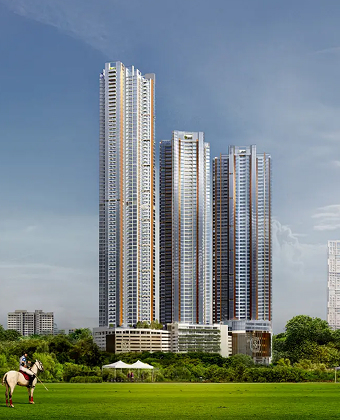
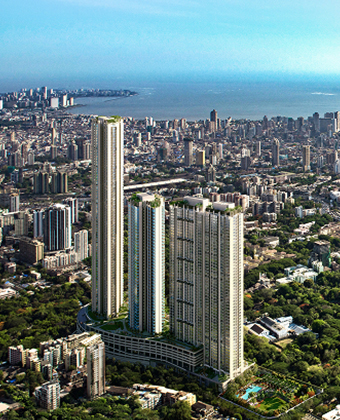
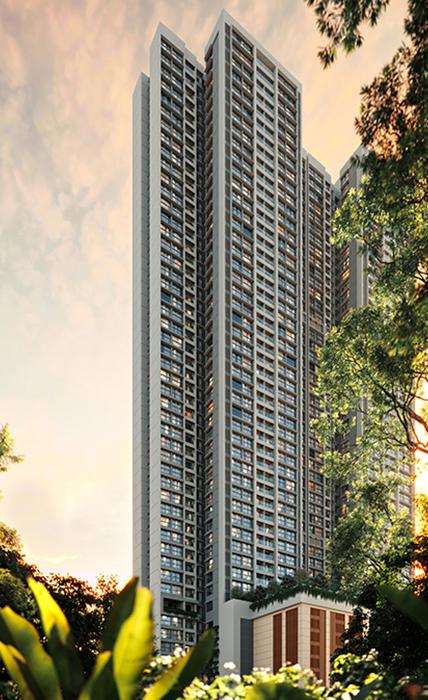
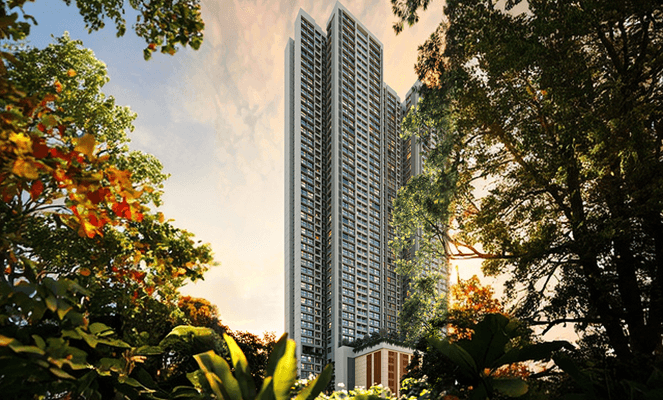
Piramal Realty's sea-facing developments in South Mumbai, Piramal Mahalaxmi, which overlooks the Mahalaxmi Racecourse and the Arabian Sea, and Piramal Aranya in Byculla, facing the Eastern Harbour, are in genuinely coastal areas. Projects like these are generally built with specifications that treat high humidity and monsoon exposure as fundamental design requirements, not afterthoughts. Buyers assessing any sea-facing project should specifically inquire about the reinforcement protection, exterior coatings, and waterproofing systems used; these details matter more for long-term upkeep than the view itself.
What Homeowners Can Do to Protect Their Property
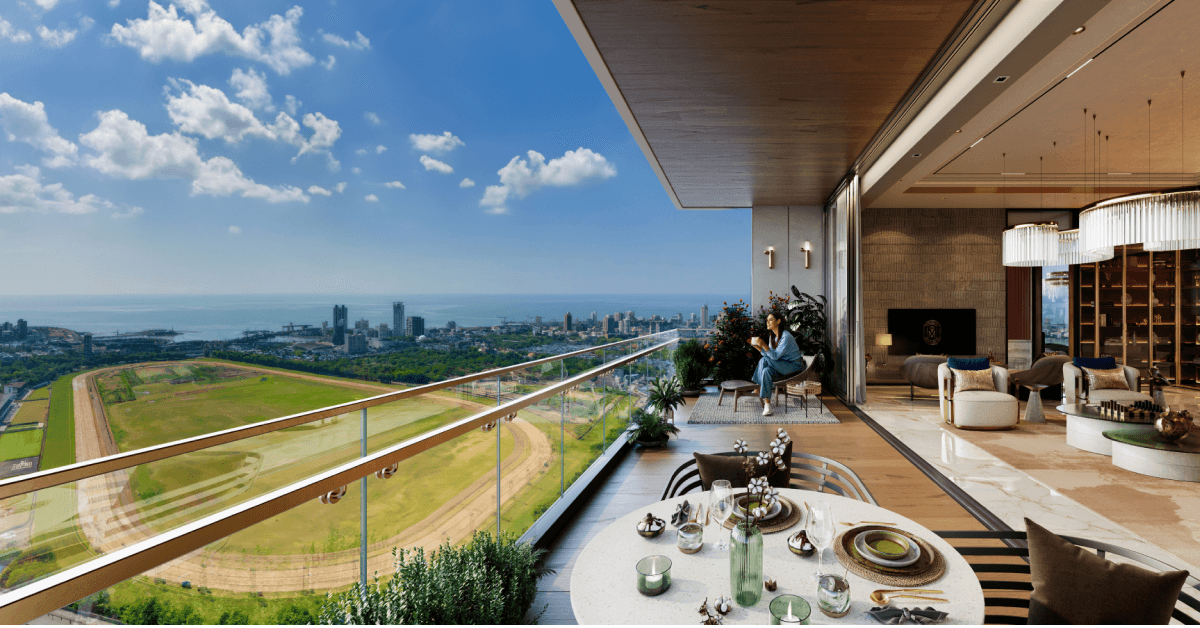
Even in a well-designed coastal home, homeowners can take proactive steps to extend the lifespan and maintain the appearance of exposed surfaces. Costal conditions subject building materials to greater stress from salt-laden air, humidity, and moisture, making regular upkeep especially important. Building science recommendations for waterfront properties often call for more frequent maintenance of exposed metal fixtures, fittings, and protective coatings than manufacturers typically prescribe for inland environments
Practical steps that can make a real difference include regularly rinsing exposed metal surfaces, such as railings, window frames, and balcony fixtures. This helps remove salt deposits before they mix with humidity, which can speed up corrosion. Regularly inspecting sealants around windows and doors allows homeowners to catch early signs of wear before water leaks become a bigger issue. For air conditioning units, which are especially vulnerable to corrosion in salty air, routine servicing and the use of corrosion-resistant or coated coil units can significantly extend the system's lifespan. Well-maintained coastal HVAC systems can last as long as inland systems, while neglected units in coastal conditions usually fail much sooner.
None of these measures requires specialised expertise or high ongoing costs; they are more like regular seasonal maintenance than major repairs, if they are done consistently instead of waiting for problems to become visible.
Looking at the Bigger Picture: Lifestyle vs Upkeep
When maintenance considerations are weighed against what a sea-facing home offers, the perspective shifts: a well-constructed coastal home, with suitable materials and a reasonable maintenance routine, does not require more effort than a typical Mumbai apartment, given the city's overall monsoon and humidity conditions. These conditions also affect buildings in inland areas, though to a lesser extent.
The true difference is one of degree, not type. A sea-facing apartment requires a bit more attention to specific elements, such as metal fixtures, exterior coatings, and AC units, in return for a living environment, light quality, and views that an inland apartment in the same city cannot offer. For most buyers, that trade-off is justifiable if the building was designed with the coastal environment in mind from the beginning.
What Buyers Should Ask Before Purchasing a Sea-Facing Home
A few key technical questions can help distinguish a truly well-built coastal home from one that's marketed as such but built poorly.
Inquire about the grade of reinforcement protection and concrete specifications used, especially for structural elements most exposed to the weather, like balconies, terraces, and external walls. Ask what coatings and finishes were specified for exterior metal fixtures, and check whether they are suitable for coastal or marine-grade exposure rather than just standard inland specifications. Also, ask about the waterproofing system for terraces, podiums, and any exposed slabs, and confirm if it has been designed for heavy monsoon rainfall.
It's also important to ask about the building's maintenance structure for shared coastal-facing infrastructure, including facades, common-area metal fixtures, and exterior coatings. These components benefit from professional, scheduled maintenance instead of being left entirely to individual homeowners. Finally, request information about the project's track record. Understanding how older sea-facing developments by the same builder have aged and what maintenance they require today provides more reliable information than any single specification sheet.
Frequently Asked Questions
Do sea-facing flats require more maintenance?➕Yes, to some extent. Sea-facing flats experience higher levels of airborne salt and consistent humidity, which can accelerate wear on exposed metal fixtures, exterior coatings, and AC units compared to inland apartments. However, the difference is manageable with suitable building materials and regular upkeep, rather than being a major ongoing burden.
Does salt air damage buildings near the sea?➕Salt air can accelerate corrosion of untreated metal and, if protective measures are not integrated from the start, eventually affect concrete reinforcement. Research shows that visible corrosion can appear within months in untreated conditions, compared to over years in inland areas. Properly designed coastal construction, using corrosion-resistant materials and adequate reinforcement protection, greatly reduces this risk.
Are sea-facing apartments a good investment in Mumbai?➕Sea-facing apartments in Mumbai neighbourhoods have historically attracted strong buyer interest due to the limited supply of genuine sea views and the social infrastructure usually found in these areas. Like any property, the investment potential depends on the specific project, its construction quality, and its location, rather than solely on the sea view.
How do builders protect coastal properties from corrosion?➕Builders generally use higher-grade concrete with better reinforcement protection to resist chloride penetration, corrosion-resistant coatings, treated metal fixtures, glazing rated for humidity and salt exposure, and waterproofing systems designed for heavy monsoon rainfall. These measures are generally part of the design specifications rather than added after construction.
What are the disadvantages of living in a sea-facing apartment?➕The main downside is increased exposure to salt-laden air and humidity, which can speed up wear on exposed metal fixtures, exterior coatings, and AC units if not properly maintained. While this is manageable with suitable construction materials and regular upkeep, it is a real consideration buyers should factor into long-term ownership.
Is maintenance higher in sea-view residential projects?➕Maintenance needs for sea-view projects tend to be somewhat higher for coastal-facing elements, such as facades, exterior metal fixtures, and AC units, compared to those of inland buildings. Well-designed projects account for this in their management and maintenance plans, easing the practical burden on individual homeowners.
How does Mumbai's climate affect sea-facing homes?➕Mumbai's tropical climate combines high humidity, ranging from roughly 57% in winter to nearly 89% during peak monsoon, with significant annual rainfall exceeding 2,200 mm. This ongoing mixture of moisture and salt exposure is more demanding on exposed building materials than drier or inland climates, making material choice and waterproofing especially crucial for coastal construction in the city.
What should buyers know before purchasing a sea-facing flat?➕Buyers should inquire about the grade of reinforcement protection used in structural concrete, the specifications for coating exterior metal fixtures, the waterproofing system for terraces and exposed slabs, and how older projects by the same developer have aged. These technical details are more important for long-term upkeep than the view itself.
Sources: Marine Construction Magazine, causes of coastal corrosion; ScienceDirect, marine salt corrosion effects on building envelope materials (2025); Peartree Homes, salt air impact on building materials; Climate of Mumbai (Wikipedia), India Meteorological Department humidity and rainfall data
Disclaimer - This article is based on the information publicly available for general use as well as reference links mentioned herein. The views expressed above are for informational purposes only based on industry reports and related news stories. Piramal Realty does not guarantee the accuracy, completeness, or reliability of the information and shall not be held responsible for any action taken based on the published information. Piramal Realty expressly disclaims/disowns any liability, which may arise due to any decision taken by any person/s basis the article hereof. Readers should obtain separate advice with respect to any particular information provided here in.